
A forklift is a significant capital investment and a critical driver of productivity in warehouses, distribution centers, and manufacturing plants. Unlike a passenger vehicle, it operates in a demanding, high-cycle environment with constant start-stop motions, heavy lifting, and exposure to debris. Consequently, a reactive "fix-it-when-it-breaks" approach is a direct path to catastrophic downtime, safety incidents, and spiraling repair costs. The recommended maintenance schedule for a forklift is a structured, preventative program designed to proactively address wear and tear, ensuring peak performance, maximum safety, and optimal lifespan. This schedule is not a one-size-fits-all list but a hierarchical framework of inspections and services dictated by intervals of time or operational hours, whichever comes first. It synthesizes manufacturer specifications—detailed in the equipment's official operator and maintenance manual—with the real-world demands of the specific application and compliance requirements from bodies like OSHA. At its core, this schedule is a strategic operational plan that transitions maintenance from an unpredictable cost center to a predictable, budgetable component of total cost of ownership. By systematically replacing fluids, filters, and wearing components before they fail, businesses can avoid the domino effect where a neglected $50 part leads to a $5,000 engine overhaul. Ultimately, a disciplined adherence to the recommended schedule is the single most effective practice for preserving asset value, maintaining consistent workflow, and upholding a culture where equipment safety is non-negotiable.
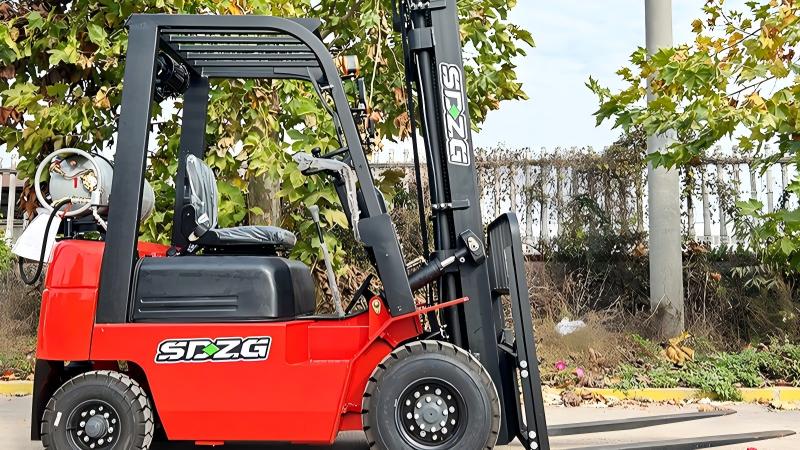
The foundation of any forklift maintenance schedule is a multi-tiered system of increasing complexity and depth. The first and most critical tier is the Daily/Pre-Shift Inspection, performed by the operator. This is a visual and operational check, not a repair session, but its importance cannot be overstated. Using a formal checklist, the operator examines tires for wear and pressure, checks fluid levels (hydraulic, engine oil, coolant), tests all controls (steering, brakes, lift/tilt functions), ensures safety devices like horns, lights, and seatbelts work, and looks for leaks or visible damage. Any issue must be reported immediately, tagging the truck out of service if necessary. The next tier is Periodic Preventative Maintenance (PM), conducted by a qualified technician at set intervals—commonly every 250, 500, and 1000 hours of operation. A 250-hour service might include an oil and filter change, battery inspection, and a more thorough check of all daily inspection points. The 500-hour service expands to include replacing fuel and air filters, checking spark plugs (in internal combustion models), inspecting hydraulic hoses and mast rollers, and lubricating all chassis points. The major 1000-hour service is a comprehensive overhaul: replacing all filters and fluids, performing a detailed brake inspection, checking wheel bearings, testing valve clearances (for ICE engines), and conducting a full diagnostic on the electrical and hydraulic systems. For electric forklifts, key PM tasks focus on the battery and charger: ensuring proper watering (for flooded lead-acid), cleaning terminals, equalizing charges, and verifying charger function to prevent premature battery failure, which is a leading cause of cost and downtime.
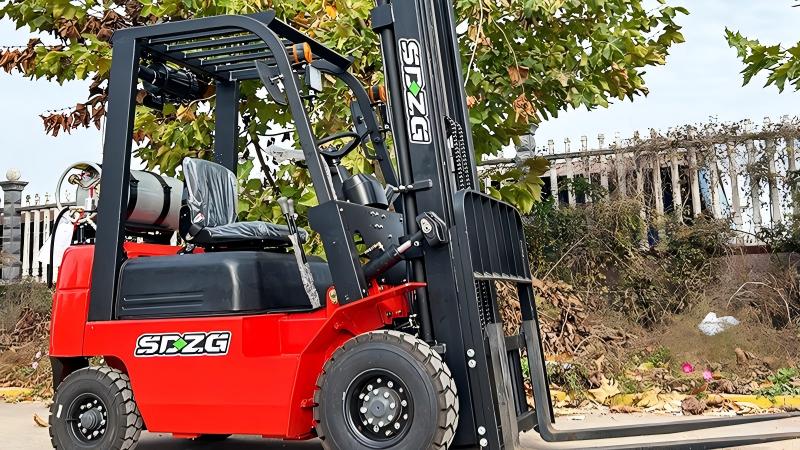
Beyond the core hourly-based PMs, the schedule incorporates Calendar-Based Services and Long-Term Component Lifecycles. Certain elements degrade with time regardless of use. Engine coolant and hydraulic fluid, for instance, have anti-corrosive and lubricating properties that break down over 12-24 months and must be replaced annually or bi-annually. Similarly, brake fluid is hygroscopic (absorbs moisture) and should be flushed every two years to maintain boiling point and performance. The forklift's mast channels, forks, and carriage rollers experience wear proportional to lift cycles and load weight. While inspected at every PM, they have a finite lifecycle and should be measured against manufacturer wear limits, typically requiring replacement after several years or thousands of hours. Tires represent another major wear component; cushion tires may last 2000-3000 hours, while pneumatic tires may succumb to cuts or wear faster in outdoor applications. Proactive tracking of tire condition prevents unsafe operation and damage to the drive train. Furthermore, the schedule must account for Seasonal or Environmental Factors. Forklifts operating in extreme cold may require different viscosity oils and fuel treatments. Those in corrosive environments (e.g., fertilizer plants, seafood processing) need more frequent undercarriage cleaning and corrosion inspections. Dusty environments demand more frequent air filter changes. A truly effective maintenance schedule is therefore dynamic, using the manufacturer’s manual as a baseline but being adapted and refined by fleet managers based on historical repair data, telematics from the forklifts themselves, and the specific operational context to create a predictive, rather than just preventative, maintenance model.
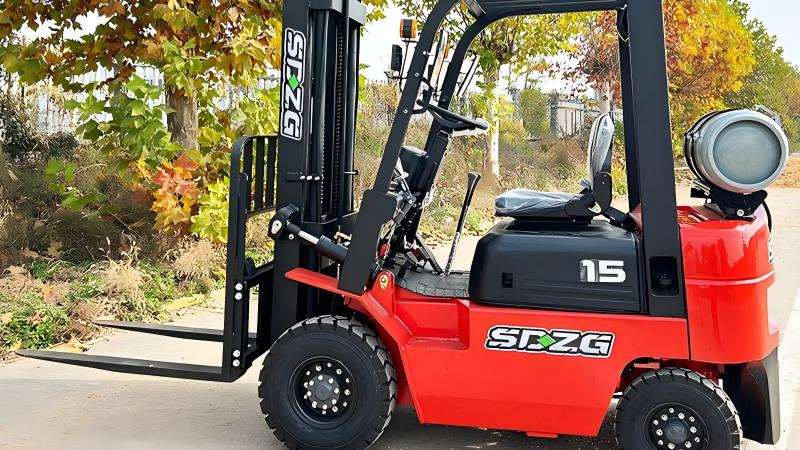
Implementing and managing this schedule is an organizational discipline that requires clear processes, technology, and partnership. The cornerstone is accurate Hour Meter Tracking. Every service must be logged against the forklift's hour meter reading, not just the calendar date. This is often managed through a Computerized Maintenance Management System (CMMS) or fleet management software, which automates work order generation, tracks parts inventory, and maintains a complete lifetime service history for each asset. This data is invaluable for justifying capital expenditure, identifying chronic issues with specific models, and validating warranty claims. OSHA Compliance is a powerful driver; standard 1910.178(q)(7) mandates that forklifts be maintained in a safe condition and that repairs be made by authorized personnel, making documented PMs a legal shield. The financial rationale is equally compelling. Studies consistently show that the cost of preventative maintenance is a fraction of the cost of major repairs and lost productivity from unexpected breakdowns. A well-maintained forklift also consumes less energy (fuel/electricity), retains higher resale value, and operates more safely—reducing the risk of accidents, injuries, and associated liability. In practice, successful execution depends on a partnership between trained, empowered operators who perform diligent daily checks, skilled in-house technicians or a reliable third-party service provider, and proactive management that allocates budget and prioritizes maintenance downtime over production urgency. In conclusion, the recommended maintenance schedule is the operational heartbeat of a reliable forklift fleet. It is a deliberate, data-informed strategy that transforms maintenance from an interruptive expense into a cornerstone of operational excellence, safety leadership, and financial prudence.
Post time:Jan.13.2026
