
Operating a backhoe is a task that demands not only skill but also an unwavering commitment to safety. These powerful machines, combining a loader on the front and an excavator on the back, are indispensable on construction, landscaping, and utility sites. However, their power also brings significant risks, including tip-overs, struck-by incidents, trench collapses, and electrocution hazards. A comprehensive safety mindset, rooted in thorough training and adherence to established protocols, is the absolute foundation for anyone at the controls. Before even starting the engine, the operator’s responsibility begins with a meticulous personal and environmental assessment. This includes ensuring proper training and certification are up-to-date, conducting a detailed walk-around inspection of the machine, and performing a full evaluation of the worksite. The pre-operation inspection should cover all critical systems: checking fluid levels (hydraulic oil, engine oil, coolant), examining tires or tracks for wear and pressure, testing all lights and signals, ensuring the integrity of buckets and attachments, and verifying that all safety decals and operator’s manual are present and legible. Equally crucial is the site survey. Operators must identify and locate all underground utilities by calling 811 or the local equivalent before any digging commences. They must also note the presence of overhead power lines, the stability and slope of the ground, the proximity of other workers, pedestrians, or obstacles, and establish clear work zone boundaries. Ignoring these preliminary steps dramatically increases the likelihood of catastrophic accidents, turning a routine job into a disaster scene.
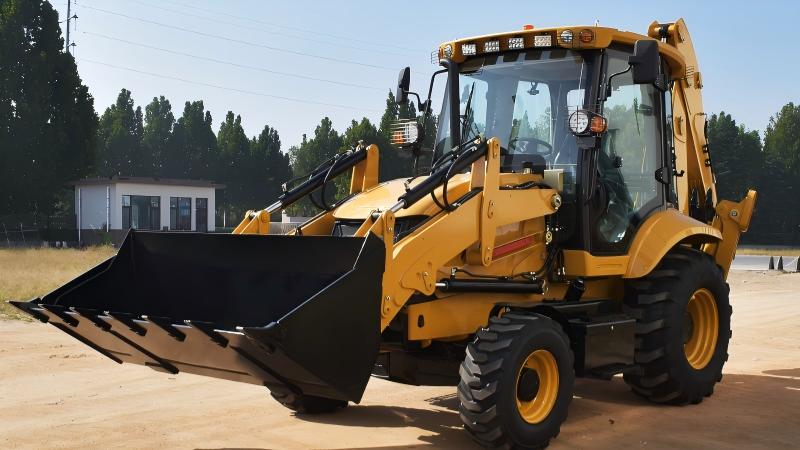
Once the initial checks are complete and the operator is in the cab, the focus shifts to safe operating procedures. The use of seat belts is non-negotiable; in the event of a tip-over, the seat belt is the single most important factor in keeping the operator within the safety envelope of the Roll-Over Protective Structure (ROPS). The cab should be kept clean and free of debris that could interfere with controls. When starting and moving the machine, it is vital to use all mirrors and cameras if available, sound the horn as a warning, and move slowly while constantly scanning the environment. A fundamental rule is to always operate the backhoe from the seat, never reaching out of the cab or attempting to make adjustments while the machine is energized. When digging a trench, extreme caution is paramount. The bucket should be lowered slowly into the excavation, and operators must be acutely aware of the spoil pile’s location. The excavated material should be placed a safe distance from the trench edge—at least two feet or more, depending on depth—to prevent it from rolling back in and to reduce pressure on the trench walls. The backhoe itself must be positioned on level, stable ground, parallel to the trench, with the stabilizer pads fully and firmly deployed on solid footing, not on the edge of the excavation or on unstable backfill. Sudden, jerky movements with the boom or dipperstick should be avoided, as they can destabilize the machine and the trench. Continuous awareness of the machine’s stability footprint is essential; if the machine begins to list or the ground feels soft, work must stop immediately.
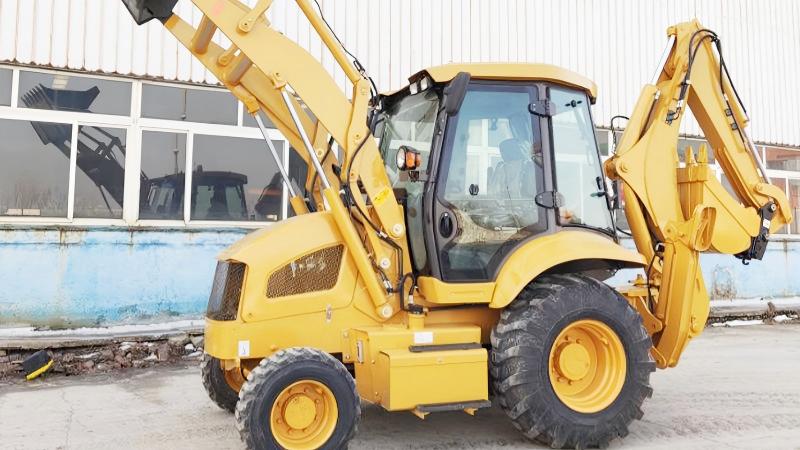
Perhaps the most critical and often overlooked aspect of backhoe safety revolves around trenching and the profound danger of cave-ins. Trench collapses are swift, silent, and almost always fatal. No amount of soil appears "safe enough" to enter without proper protection. OSHA regulations are clear: any trench five feet or deeper requires a protective system unless it is made entirely in stable rock. For trenches less than five feet, a competent person must still inspect the site and determine if a protective system is necessary. Protective systems include sloping the trench walls, benching, shoring with aluminum hydraulic systems, or using a trench box. The "competent person"—someone trained to identify hazards and authorized to take corrective measures—must inspect the trench at the start of each shift and after any event that could change conditions, such as rain or vibration. Furthermore, workers should never be allowed in the trench while the backhoe is actively digging nearby. The operator must have a clear, direct line of sight to the trench and the bucket at all times, or use a trained signal person if the view is obstructed. Other critical hazards include overhead and underground utilities. Contact with overhead power lines can electrocute the operator and anyone touching the machine. Maintaining a safe distance—often 10 feet or more, depending on voltage—is mandatory. For buried utilities, even after they are marked, hand digging or vacuum excavation is required to expose them before mechanical digging can proceed safely in their immediate vicinity.
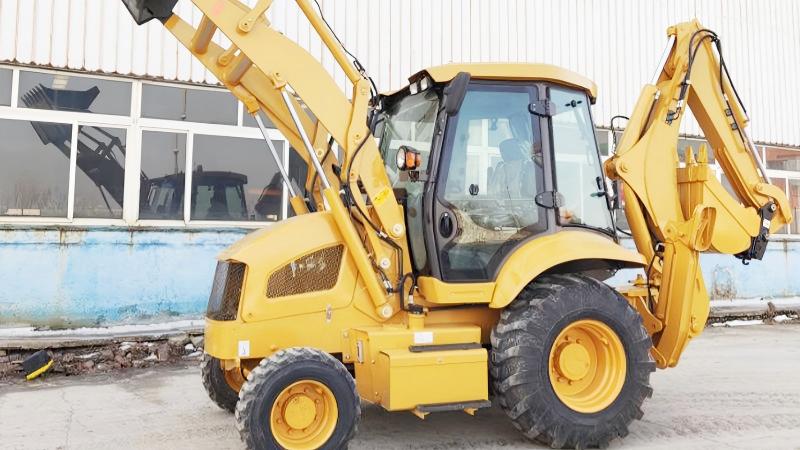
Finally, safe operation extends to shutting down procedures, securing the worksite, and maintaining a culture of safety. When parking the backhoe, the operator should lower all attachments (bucket, stabilizers, boom) fully to the ground on a level surface. This stabilizes the machine and prevents accidental movement. The engine should be shut off, the key removed, and the parking brake engaged. If on a slope, the tracks or wheels should be choked. For routine maintenance or repairs, the machine must be completely de-energized following a lockout/tagout procedure to prevent unexpected startup. Beyond individual practices, fostering a collective safety culture on the worksite is paramount. This involves clear communication between the operator, ground workers, and spotters using standardized hand signals or radios. Everyone on site must wear appropriate personal protective equipment (PPE), including high-visibility vests, hard hats, steel-toed boots, and hearing protection. Regular safety meetings to discuss specific job hazards and near-miss incidents help keep safety at the forefront of everyone's mind. Continuous training and refresher courses ensure that operators stay current with evolving best practices and regulations. In essence, the top safety tips for operating a backhoe converge on a principle of proactive vigilance: know your machine, know your site, respect the immense forces at play, and never, ever compromise on the established rules designed to protect human life. The efficiency of the job is always secondary to ensuring that every worker goes home unharmed at the end of the day.
Post time:Feb.10.2026
