
In the bustling environment of warehouses, construction sites, and manufacturing plants, the forklift stands as an indispensable workhorse. Yet, its power and utility are matched by its potential for catastrophic accidents if not properly maintained and operated. The daily forklift inspection checklist emerges as the fundamental, non-negotiable first line of defense in this context. It is a systematic, documented procedure that a certified operator must complete before each shift to verify the mechanical and safety conditions of the industrial truck. This checklist is not a mere formality but a critical risk assessment tool designed to identify faults, wear, or damage that could compromise safe operation. The core philosophy is preventative: catching a minor issue like a hydraulic leak or a worn tire before operations begin can prevent a major incident such as a load drop, tip-over, or brake failure during a busy work cycle. The checklist is typically divided into two primary sections: a pre-start inspection (checking components that can be evaluated without the engine running) and an operational inspection (checking functions with the engine on). By mandating this daily ritual, companies proactively address the root causes of equipment failure, directly targeting statistics that show a significant percentage of workplace accidents involve material handling equipment. Ultimately, this daily protocol transforms the operator from a mere user into an active participant in safety culture, instilling a sense of ownership and responsibility for the machine they command and the environment they share with coworkers.
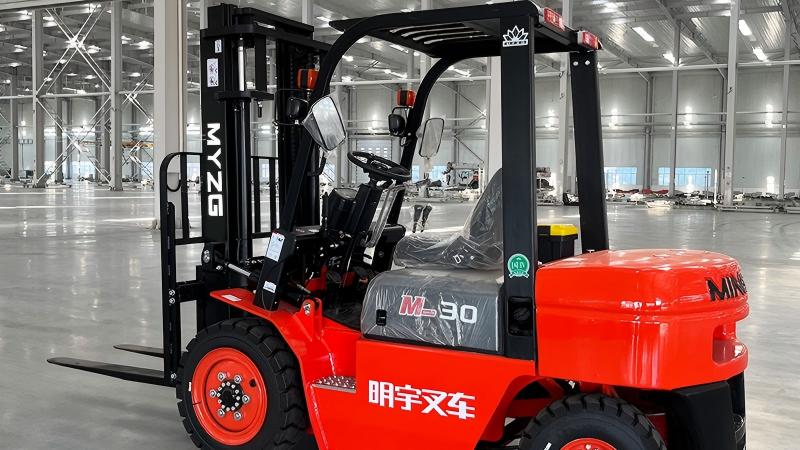
The anatomy of a comprehensive daily forklift inspection checklist is detailed and methodical, leaving no critical component unexamined. The pre-start or visual inspection begins with the forklift's exterior and critical systems. The operator checks for any obvious structural damage to the overhead guard, load backrest, and forks—looking for cracks, bends, or excessive wear. Forks must be inspected for heel wear, tip angle, and positioning lock. The tire inspection is vital; for cushion tires, one looks for excessive wear or chunks missing, while for pneumatic tires, correct pressure and cuts are key. Fluid levels—engine oil, hydraulic fluid, and coolant—are verified, with the operator scanning beneath the vehicle for any signs of leaks. Battery connections on electric models must be clean, tight, and free of corrosion, with the battery securely positioned. All visible wires and hoses are checked for frays, cracks, or abrasions. The operational inspection then commences with the engine start (in a well-ventilated area). The operator tests all controls: steering for smooth response, brakes for proper stopping power (both service and parking brakes), the parking brake's holding ability on an incline, and the clutch and gearshift for smooth operation. The hydraulic system is thoroughly tested by lifting and tilting the mast, checking for smooth, controlled movement, and listening for unusual noises. All lights and alarms are confirmed functional, including headlights, warning lights, back-up alarms, and the horn. The seatbelt must be present and functional. This exhaustive process, which should take 5-10 minutes, creates a documented snapshot of the forklift's health. If any defect is found, the operator must immediately tag the forklift "Out of Service," report the issue to management, and ensure it is not used until repaired by a qualified technician.
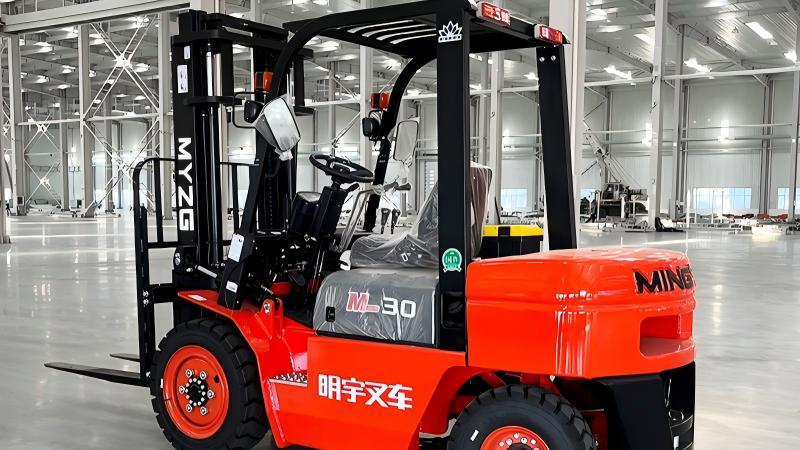
Beyond the immediate safety imperative, the daily forklift inspection checklist carries significant legal and operational weight. In the United States, the Occupational Safety and Health Administration (OSHA) mandates these inspections under standard 1910.178(q)(7), which states that "industrial trucks shall be examined before being placed in service" and shall not be operated if unsafe. Failure to comply can result in severe citations and fines, especially following an incident. Moreover, in the event of an accident, a well-maintained and consistently signed inspection log serves as crucial evidence of due diligence, potentially mitigating liability. From an operational perspective, this daily practice is a cornerstone of effective fleet management. It facilitates planned maintenance by identifying recurring issues, thus reducing costly, unscheduled downtime that grinds productivity to a halt. It extends the lifespan of expensive capital equipment by ensuring minor problems are addressed before escalating into major, engine-seizing failures. The checklist also serves as a continuous training tool, reinforcing key safety knowledge for operators daily. For managers and safety officers, the collected logs provide invaluable data for analyzing trends, identifying specific models or components with frequent issues, and making informed decisions about maintenance schedules, repairs, or fleet renewal. Therefore, the checklist transcends its simple paper or digital form; it becomes a management system that bridges safety, compliance, maintenance, and asset management, embedding a rhythm of proactive care into the daily workflow of the organization.
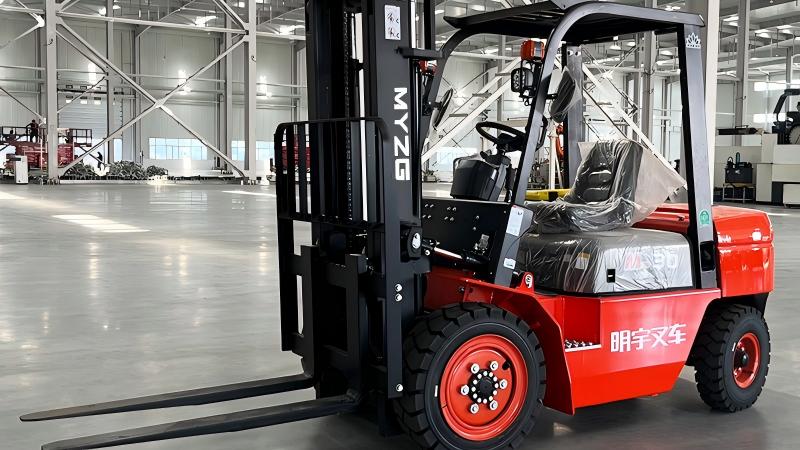
Implementing an effective daily forklift inspection program requires more than just distributing checklists. It demands commitment from all organizational levels. Management must provide the resources: up-to-date, model-specific checklists (often derived from the manufacturer's manual), easy-to-use reporting systems, and a responsive repair workflow. The physical environment must support the process, with designated, well-lit inspection areas. The checklists themselves should be clear, using simple language and visuals where possible, and be available in operators' native languages. Technology is playing an increasing role, with digital checklists on tablets or smartphones that can include photos, mandatory fields, and instant submission to maintenance teams. However, the human element is paramount. Operators must receive thorough initial and refresher training on how to conduct inspections, not just on that they must do them. This includes education on the consequences of overlooked defects. The culture must encourage, not punish, operators for finding and reporting faults. Recognizing safe behavior and highlighting cases where a daily inspection prevented an accident reinforces its value. Audits and spot-checks by supervisors ensure consistency and integrity. In essence, the humble daily forklift inspection checklist is a microcosm of a company's entire safety culture. When executed with diligence and supported by leadership, it does more than check boxes—it safeguards lives, protects assets, ensures compliance, and fosters a professional environment where every worker understands that their first task is to ensure a safe return home.
Post time:Jan.13.2026
