
How to Troubleshoot Common Hydraulic Problems in a Backhoe Loader?
1. Introduction
The hydraulic system is one of the most important systems in a backhoe loader. It provides the power required for digging, lifting, loading, steering, and operating different attachments. Unlike a conventional mechanical system, a hydraulic system uses pressurized hydraulic oil to transfer power from the engine and hydraulic pump to cylinders, motors, and control valves. When the hydraulic system operates correctly, the backhoe loader can perform digging and loading operations smoothly, efficiently, and with sufficient force. However, hydraulic problems can quickly reduce machine productivity and may eventually cause expensive component damage if they are not diagnosed and repaired properly.
Common hydraulic problems include slow movement, weak digging force, hydraulic oil leaks, overheating, unusual noises, cylinder drift, jerky movements, and abnormal hydraulic pressure. Some problems are caused by simple issues such as low oil levels, clogged filters, or loose hose connections, while others may indicate more serious problems with the hydraulic pump, control valve, or hydraulic cylinders. Therefore, troubleshooting should always begin with simple inspections before moving on to more complicated diagnostic procedures.
Safety is particularly important when working on a hydraulic system. Hydraulic oil can remain under extremely high pressure even after the engine has been switched off. Before inspecting or repairing any hydraulic component, the machine should be parked on stable ground, attachments should be lowered safely, the engine should be shut down, and stored hydraulic pressure should be released according to the manufacturer's instructions. Operators should never use their hands to search for a hydraulic oil leak because high-pressure oil can penetrate the skin and cause serious injury. A systematic and safety-focused troubleshooting process can help identify problems quickly and prevent unnecessary repairs.
2. Understanding the Backhoe Loader Hydraulic System
Before troubleshooting a hydraulic problem, it is useful to understand the basic components of the system. The hydraulic pump converts mechanical power from the engine into hydraulic flow and pressure. Hydraulic oil is stored in the hydraulic tank and travels through hoses, pipes, filters, valves, and other components.
The hydraulic control valves direct pressurized oil to the appropriate hydraulic cylinders or motors. For example, when the operator moves the control lever for the boom, the control valve directs oil to the boom cylinder. The cylinder then extends or retracts and moves the boom.
Important hydraulic components include the hydraulic pump, hydraulic tank, hydraulic filter, control valves, hydraulic cylinders, hoses, fittings, pressure relief valves, and hydraulic oil cooler. A problem in any of these components can affect machine performance.
Understanding how these components work together makes troubleshooting much easier. For example, if all hydraulic functions become weak at the same time, the problem may be related to the pump, oil level, or main relief valve. If only one cylinder is slow, the problem may be more localized to that cylinder, its hose, or its control valve.
3. Common Hydraulic Problems and Their Symptoms
Hydraulic problems often produce recognizable symptoms. Slow hydraulic movement may indicate insufficient oil flow, a restricted filter, pump wear, or incorrect oil viscosity. Weak lifting or digging performance can be related to low hydraulic pressure, a faulty relief valve, or internal leakage.
Hydraulic cylinders that slowly move when the controls are in the neutral position may have internal seal leakage or a control valve problem. Oil leaking around hoses, fittings, or cylinders usually indicates damaged seals, loose connections, or damaged hydraulic components.
Another common issue is excessive hydraulic oil temperature. Overheating may result from excessive system pressure, contaminated oil, a blocked cooler, or operating the machine continuously under heavy load.
Unusual whining or grinding noises may indicate low oil levels, air entering the hydraulic system, pump cavitation, or pump wear. Recognizing these symptoms can help operators narrow down the possible causes before performing more detailed tests.
4. How to Troubleshoot Slow Hydraulic Movements
Slow hydraulic movement is one of the most common complaints from backhoe loader operators. The first step is to check the hydraulic oil level. If the oil level is too low, the pump may not receive sufficient oil, resulting in reduced hydraulic performance and potentially causing cavitation.
Next, inspect the condition of the hydraulic oil. Incorrect viscosity, contamination, or degraded oil can affect hydraulic flow. The hydraulic filter should also be inspected or replaced according to the manufacturer's maintenance schedule. A severely restricted filter can reduce oil flow to the hydraulic system.
If the basic inspections do not identify the problem, the hydraulic pump should be tested for pressure and flow. A worn pump may still produce some hydraulic pressure but fail to provide sufficient flow at operating conditions.
The engine should also be checked. If engine speed is significantly lower than specified, the hydraulic pump may not receive enough mechanical power to generate the required oil flow. Finally, control valves, hoses, and cylinders should be inspected for restrictions or internal leakage.
5. How to Diagnose Weak Hydraulic Power
A backhoe loader with weak hydraulic power may struggle to lift heavy loads or penetrate hard soil. First determine whether all hydraulic functions are weak or whether only one function is affected.
If all hydraulic functions are weak, check the hydraulic oil level and measure system pressure. Low system pressure may be caused by a worn hydraulic pump, incorrectly adjusted or faulty relief valve, or another problem in the main hydraulic circuit.
If only one function is weak, the problem may be associated with that particular cylinder, control valve, or hydraulic line. Internal cylinder leakage can also cause a loss of force because hydraulic oil bypasses the piston seal instead of producing useful movement.
Hydraulic pressure should always be compared with the manufacturer's specified value. Increasing the relief valve setting without proper technical information is not a suitable troubleshooting method because excessive pressure can damage pumps, hoses, valves, and cylinders.
6. Troubleshooting Hydraulic Cylinders
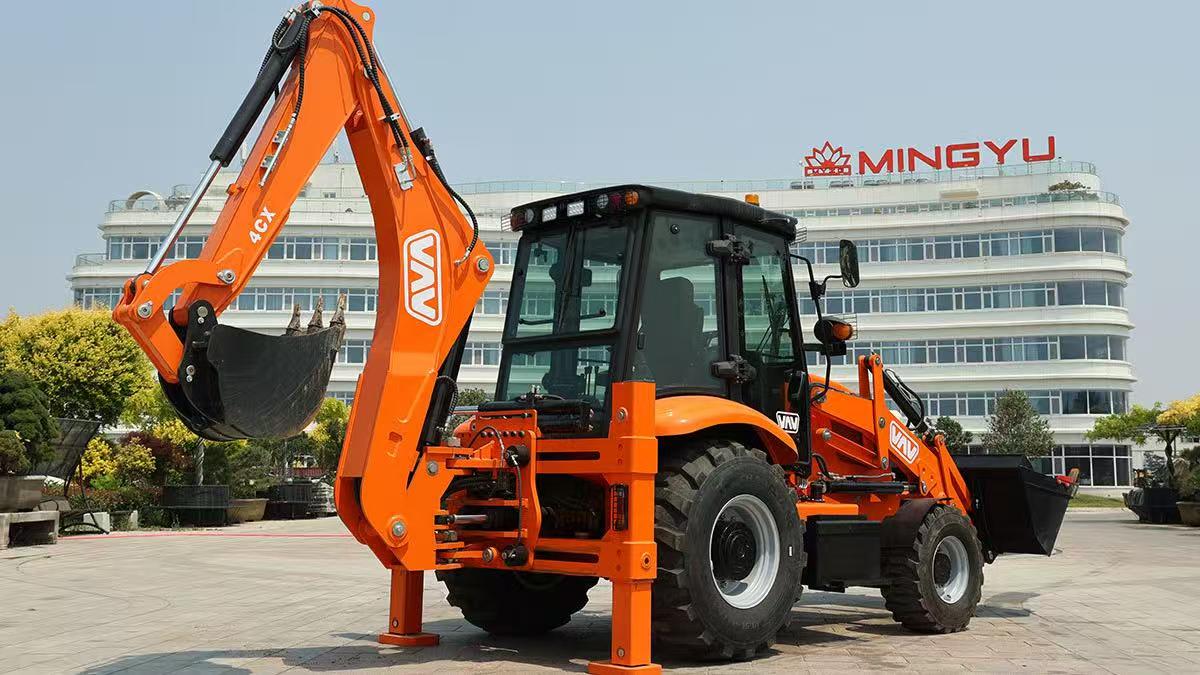
Hydraulic cylinders are responsible for moving many of the backhoe loader's working components. Common cylinder problems include external oil leakage, internal leakage, slow movement, cylinder drift, and damaged rods.
External leakage is usually visible around the cylinder rod seal, hydraulic fittings, or connections. Damaged seals should normally be replaced using suitable replacement parts.
Internal leakage is more difficult to identify because there may be no visible external oil leak. A cylinder with excessive internal leakage may fail to hold a load or may slowly move when the control is in the neutral position.
A bent or damaged cylinder rod can also cause abnormal movement and premature seal wear. Operators should inspect rods for scratches, corrosion, bending, or other damage.
7. Troubleshooting Hydraulic Oil Leaks
Hydraulic oil leaks can occur at hoses, fittings, cylinders, pumps, control valves, and tanks. Small leaks should not be ignored because they can gradually reduce the oil level and introduce contamination into the system.
Before inspecting a suspected leak, shut down the machine and release hydraulic pressure. Clean the suspected area and then inspect it carefully to determine the source.
Loose fittings can sometimes be tightened according to the manufacturer's specifications. Damaged hoses should generally be replaced rather than temporarily repaired. Cylinder seal leaks may require cylinder disassembly and seal replacement.
Never attempt to locate a high-pressure hydraulic leak with your bare hands. Use an appropriate inspection method and maintain a safe distance from pressurized components.
8. Troubleshooting Hydraulic System Overheating
Hydraulic oil temperature that remains excessively high can reduce component life and decrease system efficiency. Start by checking the oil level and confirming that the correct hydraulic oil is being used.
The hydraulic oil cooler should be inspected for dirt, dust, and other materials that may restrict airflow. A blocked cooler cannot remove enough heat from the hydraulic oil.
Excessive system pressure can also generate heat. If the relief valve is continuously operating because of an incorrect setting or a hydraulic restriction, the system may become very hot.
A worn hydraulic pump can also produce excessive heat because of internal leakage. If basic maintenance does not resolve overheating, hydraulic pressure and pump efficiency should be professionally tested.
9. Troubleshooting Unusual Hydraulic Noise
Unusual whining, rattling, or grinding noises should be investigated promptly. One common cause is low hydraulic oil, which can allow air to enter the pump inlet and create cavitation.
Air contamination may also result from loose suction-line connections or damaged seals. Air in the hydraulic system can produce unstable movement and unusual noise.
A blocked suction line or filter can restrict oil supply to the pump. Pump wear or internal damage can produce more serious grinding or whining sounds.
Operators should not simply ignore abnormal hydraulic noise. Continuing to operate a machine with a damaged hydraulic pump can increase repair costs.
10. Troubleshooting Jerky or Unstable Hydraulic Movements
Jerky hydraulic movements can make the backhoe loader difficult to control and may reduce operating efficiency. Air trapped in the hydraulic system is one possible cause. Contaminated oil, incorrect oil viscosity, damaged hoses, or problems with the control valve can also produce unstable movement.
Hydraulic cylinders with damaged seals may move unevenly, particularly under changing loads. In addition, inconsistent pump flow can affect cylinder movement.
The system should be inspected systematically. Check the oil level and condition first, followed by hoses, filters, valves, and cylinders. If air is suspected, the hydraulic system should be bled according to the manufacturer's recommended procedure.
11. Troubleshooting Hydraulic Pressure Problems
Hydraulic pressure is an important diagnostic parameter. Low pressure may result in weak digging and lifting performance, while excessively high pressure can damage hydraulic components.
A hydraulic pressure gauge can be used to measure system pressure at the appropriate test port. The measured value should be compared with the manufacturer's service specifications.
If pressure is too low, possible causes include hydraulic pump wear, a faulty relief valve, internal leakage, or insufficient engine speed. If pressure is too high, a relief valve or control problem may be involved.
Pressure testing should be performed by trained personnel using suitable equipment. Hydraulic pressure should never be adjusted simply to make the machine appear more powerful.
12. Hydraulic Oil and Filter Maintenance
Proper hydraulic oil maintenance is essential for reliable operation. Operators should regularly check the oil level and inspect the oil for signs of contamination.
Hydraulic oil can become contaminated with dust, water, metal particles, or other foreign materials. Contamination can accelerate wear in pumps, valves, and cylinders.
The hydraulic filter should be replaced at the interval specified by the manufacturer. When adding new oil, use the correct hydraulic oil grade and avoid mixing incompatible oils.
Cleanliness is particularly important when servicing hydraulic components. Even small amounts of dirt can damage precision hydraulic valves and pump components.
13. A Step-by-Step Hydraulic Troubleshooting Procedure
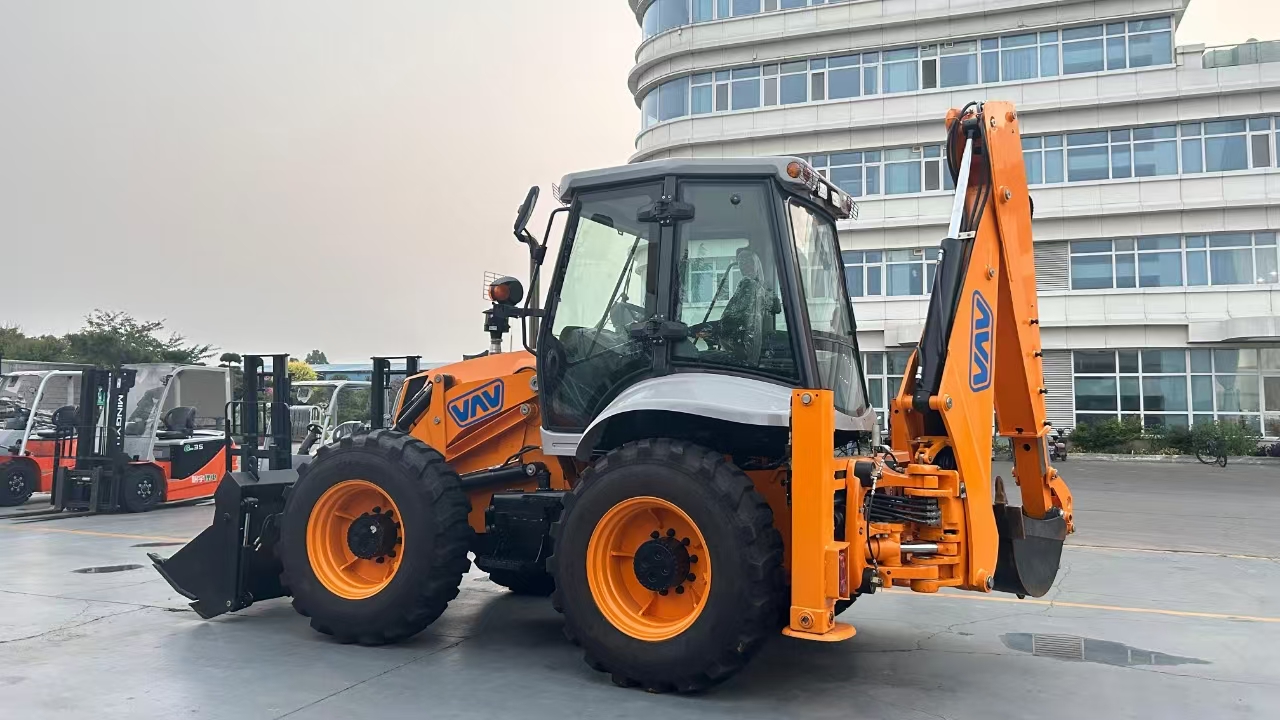
A systematic procedure can prevent unnecessary component replacement. First, clearly identify the problem and determine which hydraulic functions are affected.
Second, check the hydraulic oil level and condition. Third, inspect hoses, fittings, and cylinders for visible damage or leakage. Fourth, inspect the hydraulic filter and determine whether it requires replacement.
If the problem remains, measure hydraulic pressure and, where necessary, hydraulic flow. These tests can help determine whether the hydraulic pump is operating correctly.
Next, inspect the control valves and cylinders. After repairing or replacing the defective component, test the machine under controlled conditions and confirm that hydraulic performance has returned to normal.
14. Tools Needed for Hydraulic Troubleshooting
Basic hydraulic troubleshooting may require a hydraulic pressure gauge, flow meter, temperature gauge, basic hand tools, clean inspection equipment, and appropriate personal protective equipment.
For machines with electronically controlled hydraulic systems, electrical diagnostic tools may also be necessary. The manufacturer's service manual is particularly important because pressure specifications, test procedures, oil types, and maintenance intervals vary between models.
Professional hydraulic diagnostic equipment should be used when pump flow, valve operation, or complex hydraulic faults need to be measured accurately.
15. Safety Precautions During Hydraulic Repairs
Hydraulic systems can store significant amounts of energy. Before performing maintenance, park the backhoe loader on stable ground, lower all attachments safely, stop the engine, and release hydraulic pressure according to the manufacturer's instructions.
Never work underneath a raised attachment unless it has been properly supported using approved mechanical supports. Do not rely solely on hydraulic pressure to hold raised equipment.
Wear suitable protective equipment and keep hands away from suspected high-pressure leaks. Hydraulic oil can cause serious injuries if it penetrates the skin.
If the cause of a hydraulic problem cannot be identified safely, professional service assistance should be obtained.
16. Preventive Maintenance to Avoid Hydraulic Failures
Preventive maintenance is usually less expensive than repairing a major hydraulic failure. Operators should perform daily inspections of hydraulic oil levels, hoses, fittings, cylinders, and visible leaks.
Hydraulic filters and oil should be replaced according to the manufacturer's recommended intervals. The hydraulic cooler should be kept clean, particularly when the backhoe loader operates in dusty environments.
Operators should also avoid unnecessary overloading and excessive continuous operation. Maintaining the correct hydraulic oil level and using the recommended oil grade can significantly improve system reliability.
Keeping maintenance records makes it easier to identify recurring problems and schedule servicing before a major failure occurs.
17. When to Repair, Replace, or Seek Professional Help
Some hydraulic problems are relatively simple. Low oil levels, dirty coolers, loose connections, and overdue filter replacement can often be addressed during routine maintenance.
However, hydraulic pump damage, major control valve problems, internal cylinder leakage, and complex pressure issues may require specialized equipment and experienced technicians.
When selecting replacement components, it is important to use parts that meet the manufacturer's specifications. Using incorrect hydraulic components may cause additional problems even if the replacement part appears physically compatible.
Professional diagnosis can also prevent unnecessary replacement of expensive components. For example, replacing a hydraulic pump when the actual problem is a blocked filter or faulty relief valve can result in unnecessary costs.
18. Conclusion
Troubleshooting hydraulic problems in a backhoe loader should always begin with simple and safe inspections. Checking hydraulic oil level, oil condition, filters, hoses, fittings, and visible leaks can resolve many common problems.
More complex symptoms, such as weak hydraulic power, overheating, cylinder drift, abnormal pressure, or persistent pump noise, require systematic testing of pressure, flow, valves, cylinders, and the hydraulic pump.
Regular preventive maintenance is the best way to reduce hydraulic failures. By following the manufacturer's maintenance schedule, using the correct hydraulic oil and filters, keeping the system clean, and responding quickly to abnormal symptoms, operators can improve machine reliability, reduce downtime, and extend the service life of the backhoe loader's hydraulic components.
Post time:Aug.12.2026
