
The landscape of construction, agriculture, and large-scale logistics is often defined by uneven ground, muddy conditions, and challenging surfaces where standard material handling equipment fails to operate. In these demanding environments, the rough terrain forklift emerges as an indispensable powerhouse. Consequently, the rental market for these specialized machines is robust, offering businesses the flexibility to access cutting-edge equipment without the capital expenditure and maintenance burdens of ownership. Understanding the rental rate structure—daily, weekly, and monthly—is crucial for effective project budgeting and planning. On average, daily rental rates for a standard-capacity rough terrain forklift (e.g., 5,000 to 10,000 lbs lift capacity) can range from approximately $300 to $600 per day. This rate typically covers the basic machine rental but may exclude ancillary costs such as transportation, fuel, and insurance. The daily rate is ideal for short-term projects, emergency needs, or single-day tasks where quick deployment is necessary. Factors that immediately influence this daily figure include the machine's lift capacity, mast height, engine type (diesel is standard), and any attached accessories like fork positioners or jibs. Geographic location also plays a role, with rates in high-demand urban or remote areas potentially commanding a premium. Renting by the day offers maximum flexibility but is the most expensive cost-per-day option, making it essential for project managers to accurately estimate the required duration to avoid budget overruns.

For projects spanning several days to a couple of weeks, the weekly rental rate presents a more economical path, offering significant savings over the daily cumulative cost. Weekly rates for the same class of rough terrain forklift generally fall between $1,000 and $1,800, effectively reducing the daily equivalent cost by 15% to 30%. This pricing tier is designed for ongoing operations such as residential construction phases, medium-term landscaping projects, or warehouse setups where consistent material movement is required over a defined period. The weekly agreement often provides a more stable rental condition, sometimes including favorable terms for machine servicing if the rental period extends beyond a standard week. It is at this stage that the value of established relationships with rental companies becomes apparent, as they may offer more competitive weekly packages to secure longer business. Furthermore, the weekly rate structure incentivizes efficient project scheduling; the marginal cost of adding an extra day or two at the end of a week is often far lower than initiating a new daily rental. Critical considerations when opting for a weekly rental include clearly defining the delivery and pickup schedule, understanding overtime charges if the equipment is used beyond standard operating hours, and confirming who is responsible for routine maintenance during the rental term.
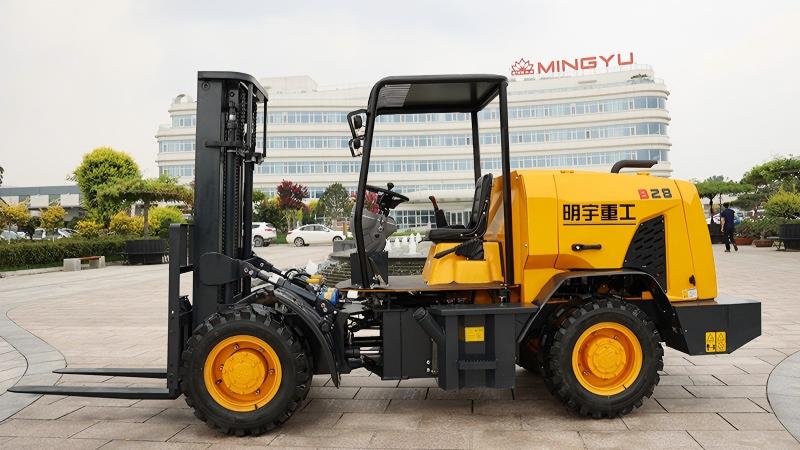
When project timelines extend into months, the monthly rental rate unlocks the highest level of value and cost efficiency, cementing the rough terrain forklift as a semi-permanent asset on the job site. Monthly rates can range from approximately $2,500 to $4,500 for a standard machine, dramatically lowering the effective daily cost, sometimes to as little as $100 to $150 per day. This model is tailored for large-scale construction projects, long-term agricultural operations (such as harvest seasons), or industrial facility expansions that require reliable material handling over an extended cycle. The financial advantage is substantial, making monthly rentals the go-to choice for any project with a foreseeable duration exceeding three weeks. Beyond the base rate, long-term rentals often come with enhanced benefits: rental companies might include scheduled preventative maintenance, priority repair service, and more flexible upgrade or swap options as project needs evolve. Negotiation power is greatest at the monthly level, allowing clients to potentially secure discounts for multiple machines or for committing to a multi-month period. It is imperative, however, to thoroughly review the monthly contract for clauses related to damage liability, wear-and-tear expectations, and termination terms, ensuring the agreement aligns with the project's risk profile and timeline.
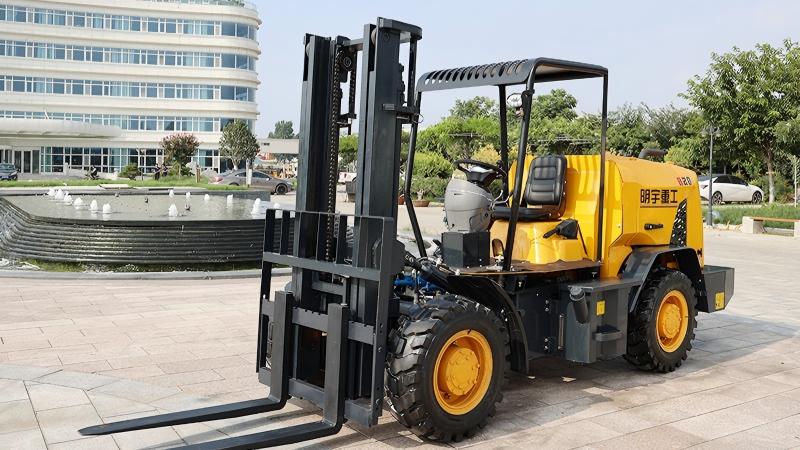
Beyond the basic time-based brackets, the final calculation of a rough terrain forklift rental invoice is influenced by a constellation of additional variables. The machine's specifications are primary; a high-capacity model (15,000 lbs or more) or one with an extended reach mast can see rates 30-50% higher than base models. Attachments such as rotating fork carriages, grapples, or snow plows add a daily or weekly premium. Location and logistics are equally critical; delivery and pick-up fees can be significant, especially for remote sites, and these are rarely included in the advertised base rate. Operational costs like fuel and routine servicing are almost always the renter's responsibility. Moreover, insurance—either provided by the rental company as an add-on or verified through the renter's own policy—is a mandatory cost that must be factored in. Seasonality also affects availability and price; demand spikes in spring and summer for construction can tighten supply. To secure the best possible rate, experts recommend planning well in advance, obtaining quotes from multiple reputable rental houses, bundling equipment needs, and being transparent about the intended use and site conditions. Ultimately, investing time in understanding the full rental landscape ensures that businesses not only manage their budgets effectively but also secure the right equipment that enhances safety and productivity on challenging terrains.
Post time:Dec.19.2025
