
How to Get an Aerial Work Platform Operation Certificate?
1. Introduction
Aerial work platforms (AWPs) are widely used in construction, building maintenance, warehouses, factories, logistics facilities, infrastructure projects, and many other industries. These machines allow workers to reach elevated work areas safely and efficiently. Common examples include scissor lifts, boom lifts, articulating boom lifts, telescopic boom lifts, and vertical mast lifts.
Because aerial work platforms can raise people and equipment several meters above the ground, proper operator training is an important part of workplace safety. An operator needs to understand not only how to use the controls, but also how to inspect the machine, recognize workplace hazards, understand load limitations, respond to emergencies, and follow the manufacturer's operating instructions.
The process for obtaining an aerial work platform operation certificate is not exactly the same everywhere. Different countries, regions, employers, and industries may have different requirements. In some locations, the term "certificate" may refer to a formal qualification, while in others it may refer to a training card or documented proof of competency. Employer authorization and machine-specific familiarization may also be required in addition to formal training.
Therefore, anyone planning to operate an aerial work platform should first identify the applicable local requirements and the specific type of machine they will operate. This article explains the general process of obtaining aerial work platform operator certification, including choosing a training provider, completing theoretical and practical training, passing an assessment, receiving documentation, and maintaining the qualification.
2. What Is an Aerial Work Platform?
An aerial work platform is a type of equipment designed to raise workers, tools, and sometimes materials to elevated work areas. Depending on the design, the platform can move vertically, horizontally, or in multiple directions.
Common types include scissor lifts, boom lifts, telescopic boom lifts, articulating boom lifts, and vertical mast lifts.
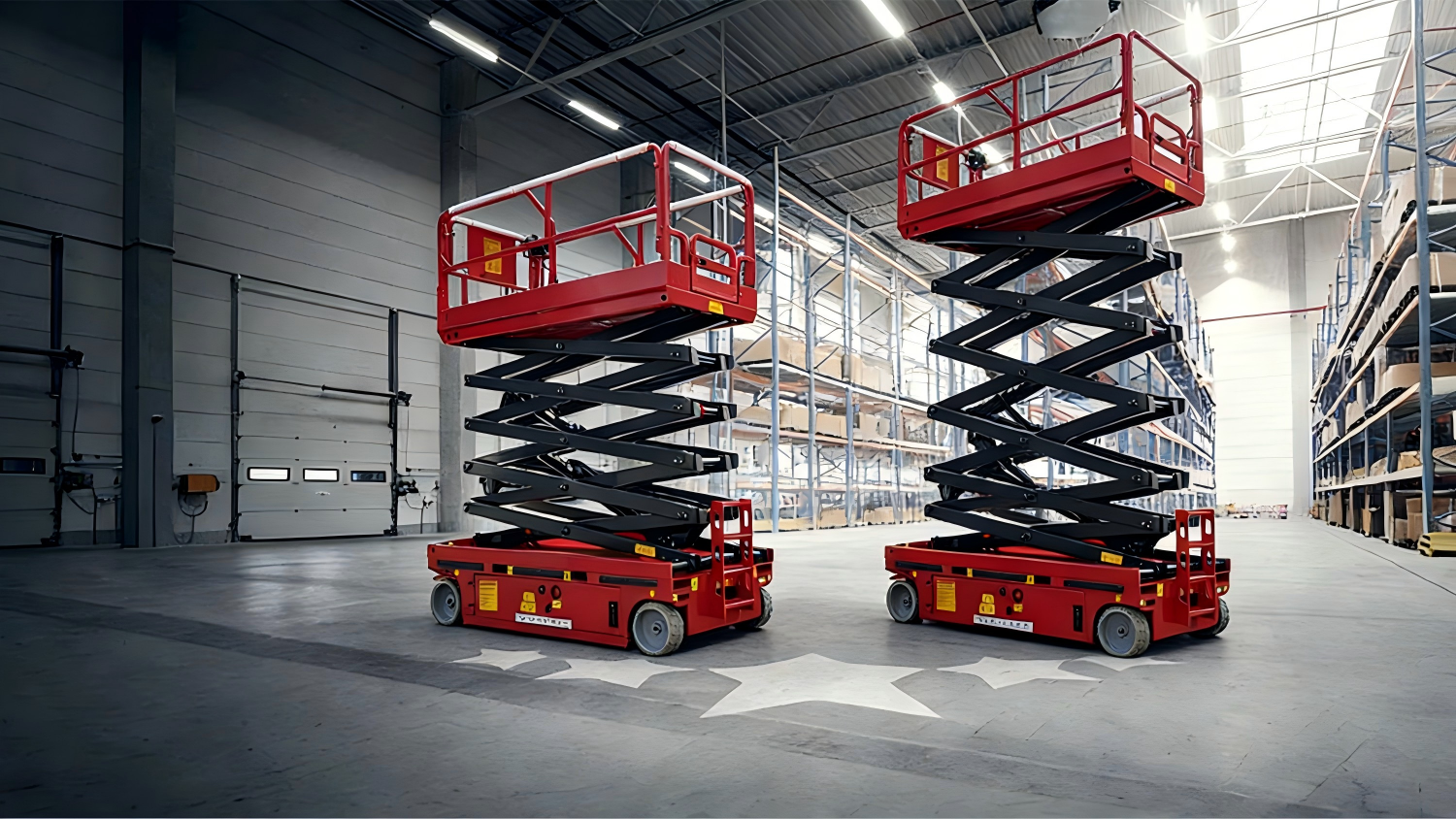
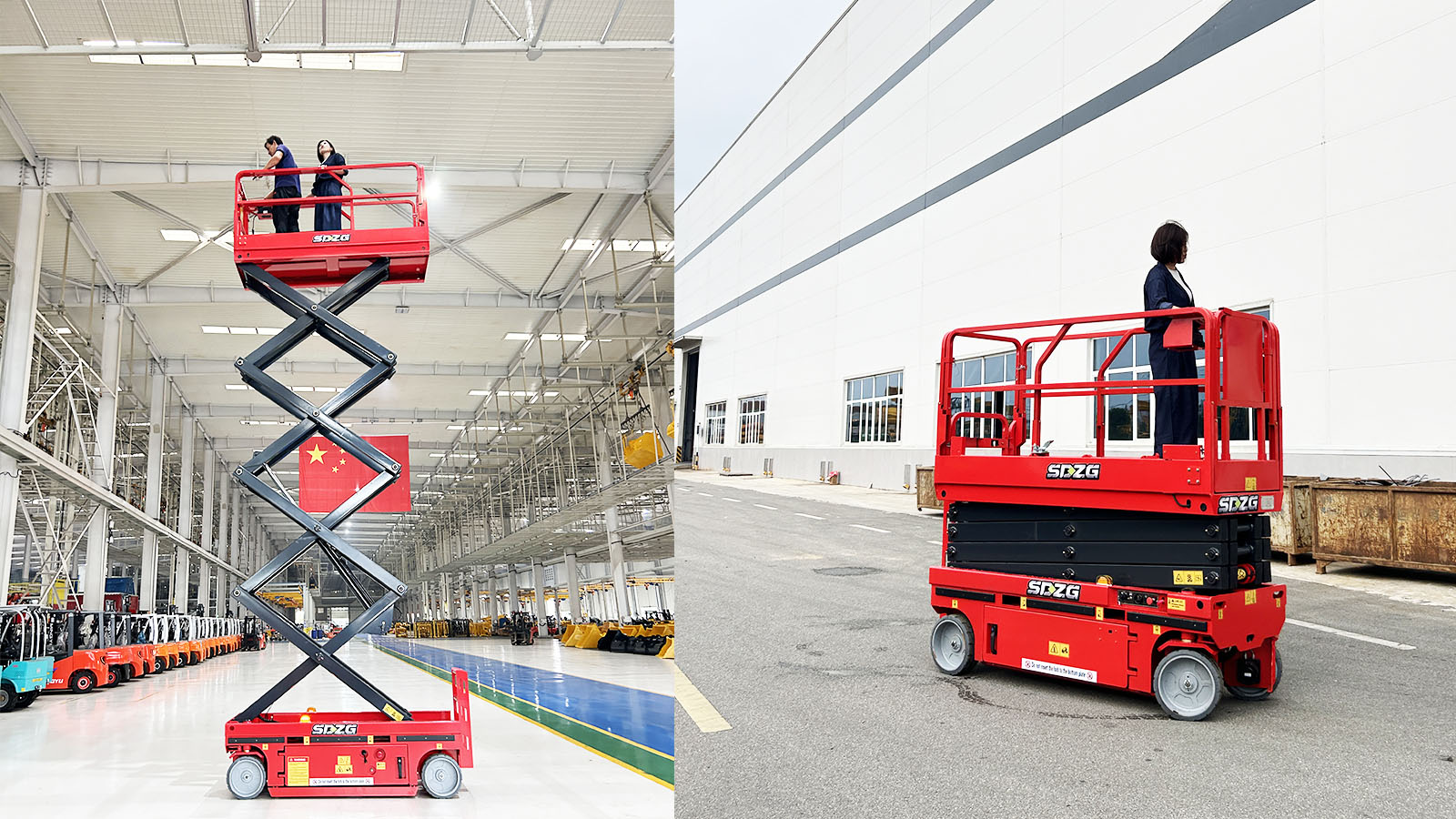
A scissor lift generally moves the platform vertically and is commonly used for installation, maintenance, electrical work, warehouse operations, and construction.
A boom lift uses a movable boom to provide both vertical height and horizontal reach. Telescopic boom lifts provide long straight reach, while articulating boom lifts can move around obstacles using multiple boom sections.
A vertical mast lift is generally more compact and is useful for indoor maintenance and other applications where space is limited.
Although these machines have different designs, they all require operators to understand machine-specific controls, limitations, inspection procedures, and safety requirements.
3. What Is an Aerial Work Platform Operation Certificate?
An aerial work platform operation certificate is documentation showing that an operator has completed the required training or assessment for operating particular equipment, according to the applicable certification system.
It is important to distinguish between training, certification, competency assessment, and employer authorization. Completing a training course may demonstrate that an operator has received instruction, but local laws or workplace rules may impose additional requirements before the person can operate a specific machine.
For example, an employer may require an operator to complete site-specific orientation and equipment familiarization after completing external training.
The exact terminology and legal status of an operator certificate vary by country. Therefore, operators should verify requirements with the relevant regulatory authority, employer, or recognized training organization instead of assuming that one certificate has universal legal validity.
4. Who Needs Aerial Work Platform Training?
Anyone who operates an aerial work platform as part of their work may need appropriate training or authorization.
This can include construction workers, building maintenance personnel, factory employees, warehouse workers, rental equipment operators, contractors, and technicians.
Employers may also require workers to complete additional familiarization before operating a particular machine, especially when the machine has different controls or operating characteristics from equipment the operator has previously used.
The requirement can also depend on the type of machine. A person trained on one category of aerial work platform may not automatically be qualified to operate every other category.
5. Check Your Local Certification Requirements
The first practical step is to determine which requirements apply in your location.
Certification systems differ between countries and jurisdictions. Some places have specific government requirements, while others rely more heavily on employer training, recognized industry standards, or documented competency.
Before enrolling in a course, check:
Local occupational safety regulations
Employer requirements
Construction-site requirements
Equipment rental-company requirements
Insurance requirements
Manufacturer instructions
Applicable industry standards
Required equipment categories
This step is important because obtaining a certificate from a training provider that does not meet the requirements of your workplace may not be sufficient.
6. Choose the Correct Training Course
After identifying the applicable requirements, the next step is to select an appropriate training provider.
A suitable training course should cover the specific type of aerial work platform that the operator will use. The training provider should have qualified instructors and provide both theoretical and practical instruction when required.
Before enrolling, confirm:
What equipment categories are included?
Is practical training provided?
Is an assessment included?
What documentation is issued after successful completion?
Is the certificate recognized by the employer or relevant authority?
Are refresher or renewal requirements specified?
A low-cost course is not necessarily the best option. The most important consideration is whether the training provides appropriate knowledge and demonstrates operator competency.
7. Complete the Theory Training
Theoretical training normally introduces operators to the basic principles of aerial work platform operation.
Topics may include machine components, operating controls, load capacity, stability, platform limitations, safety devices, emergency systems, warning labels, and operating manuals.
Operators should also learn how different factors can affect machine stability and safe operation. These may include ground conditions, platform load, machine position, obstacles, weather, and the use of the machine outside its intended application.
Hazard identification is another important part of theoretical training. Operators need to recognize potential hazards such as overhead obstacles, electrical hazards, uneven ground, vehicle traffic, pedestrians, and other equipment operating nearby.

8. Complete Practical Operator Training
Practical training allows operators to demonstrate that they can use the machine correctly.
Training may begin with a pre-operation inspection. The operator learns to check items such as tires, wheels, guardrails, controls, alarms, emergency systems, hydraulic components, and other relevant parts according to the manufacturer's instructions.
The operator may then practice starting and stopping the machine, driving, positioning, raising and lowering the platform, and using the controls correctly.
Practical training should also emphasize smooth and controlled operation. Operators should understand how the machine responds to steering, braking, lifting, lowering, and positioning commands.
The exact practical exercises depend on the equipment type and the applicable training requirements.
9. Take the Operator Assessment
After completing training, the operator may need to pass a theoretical examination, practical assessment, or both.
The theoretical assessment may cover machine operation, safety procedures, inspections, load limitations, hazard recognition, and emergency procedures.
The practical assessment may require the operator to demonstrate that they can inspect and operate the machine correctly.
If an operator does not pass the assessment, additional instruction or retraining may be required before another assessment is conducted.
The purpose of the assessment is not simply to issue a certificate. It is intended to verify that the operator has demonstrated the necessary knowledge and practical ability for the applicable equipment.
10. Receive the Certificate or Operator Card
After successfully completing the required training and assessment, the operator may receive a certificate, operator card, training record, or other form of documentation depending on the certification system.
The documentation may include:
Operator name
Equipment category
Training date
Assessment date
Training provider
Certificate or identification number
Expiration or renewal information, where applicable
Operators should keep their documentation accessible and provide it to their employer or work site when required.
It is also useful for employers to maintain training records so that they can verify which workers are authorized to operate specific equipment.
11. Employer Authorization and Workplace Requirements
Obtaining a certificate does not necessarily mean an operator can immediately operate every aerial work platform at every workplace.
Employers may require additional machine-specific familiarization. This is particularly important when the operator is working with a machine that has different controls, dimensions, attachments, or operating characteristics.
Site-specific orientation may also be required. The operator should understand the site's traffic routes, restricted areas, emergency procedures, ground conditions, overhead hazards, and other relevant workplace risks.
Therefore, operator certification, employer authorization, and equipment familiarization should be considered separate but complementary parts of safe aerial work platform operation.
12. Aerial Work Platform Safety Requirements
Safe operation begins before the platform is raised.
Operators should conduct the required pre-use inspection and report any defects according to workplace procedures. They should not operate equipment that is known to be unsafe.
The platform should be operated within its rated capacity and according to the manufacturer's instructions. The operator should also consider ground conditions, overhead hazards, surrounding traffic, weather conditions, and other workplace risks.
Fall protection requirements should follow applicable regulations and the manufacturer's instructions. Guardrails and access gates should be used correctly, and operators should not modify or bypass safety systems.
When working near electrical equipment or overhead power lines, the required safe clearances and workplace procedures must be followed.
13. Training Requirements for Different Types of Aerial Work Platforms
Different aerial platforms have different operating characteristics.
Scissor lift training focuses heavily on vertical lifting, platform stability, driving, positioning, and working on appropriate surfaces.
Telescopic boom lift training involves understanding boom extension, load limitations, reach, machine stability, and positioning.
Articulating boom lift training additionally requires operators to understand the movement of multiple boom sections and how the machine can reach around obstacles.
Vertical mast lift training focuses on compact equipment operation, positioning, and the specific characteristics of vertical lifting systems.
Because these machines operate differently, training for one category should not automatically be assumed to cover every other type of aerial work platform.
14. How Long Does Certification Take?
The duration of training varies depending on the equipment category, training provider, operator experience, local requirements, and assessment process.
A basic course may include theoretical instruction followed by practical training and an assessment. More complex equipment may require additional practical instruction.
Initial training and refresher training can also have different requirements.
The goal should not be to complete the course as quickly as possible. Operators need enough time to understand the machine and demonstrate safe operating practices.
15. How Much Does Aerial Work Platform Certification Cost?
The cost of certification varies considerably by country, training provider, equipment type, and course structure.
Possible costs include:
Classroom or theoretical training
Practical training
Examination or assessment
Training materials
Certificate or operator card
Equipment use
Travel expenses
Refresher training
Employers may cover these costs when the training is required for work.
When comparing training providers, buyers should consider the quality and recognition of the training rather than choosing solely based on the lowest price.
16. How Long Is an Aerial Work Platform Certificate Valid?
The validity period depends on the certification system and local requirements.
Some certification systems specify a renewal period, while other workplaces may require periodic refresher training even when a particular document does not have a simple expiration date.
Retraining may also be appropriate when an operator has been involved in an incident, demonstrates unsafe operation, has not used the equipment for an extended period, or is asked to operate significantly different equipment.
Operators should check their specific certification and employer requirements rather than assuming that all aerial platform certificates have the same validity period.
17. Common Mistakes When Getting Certified
Several common mistakes can reduce the value of an aerial work platform training program.
The first is choosing a provider without checking whether its training is recognized by the relevant employer or authority.
The second is assuming that one certificate automatically covers every type of aerial work platform.
The third is relying entirely on theoretical or online training without obtaining the practical training required for the equipment.
Another mistake is treating certification as a substitute for equipment familiarization. Even an experienced operator should understand the controls and characteristics of a specific machine before operating it.
Finally, operators should not ignore refresher training, workplace procedures, manufacturer instructions, or updated safety requirements.
18. Step-by-Step Guide to Getting Certified
The general process can be summarized as follows:
Step 1: Identify the equipment. Determine whether you will operate a scissor lift, boom lift, telescopic boom lift, articulating boom lift, or another type.
Step 2: Check local requirements. Confirm the applicable legal, employer, and work-site requirements.
Step 3: Choose a suitable training provider. Verify instructor qualifications, course content, practical training, and certification recognition.
Step 4: Complete theoretical training. Learn the machine's components, controls, limitations, hazards, and safety procedures.
Step 5: Complete practical training. Demonstrate proper inspection, positioning, driving, lifting, lowering, and shutdown procedures.
Step 6: Pass the assessment. Complete the required written and/or practical evaluation.
Step 7: Receive the documentation. Obtain and keep the certificate, operator card, or training record.
Step 8: Complete workplace familiarization. Learn the controls and operating characteristics of the specific machine you will use.
Step 9: Maintain your qualification. Complete renewal or refresher training when required.
19. Frequently Asked Questions
Do I need a certificate to operate a scissor lift?
Requirements depend on the country, jurisdiction, employer, and workplace. Operators should check the applicable local regulations and employer requirements before operating the equipment.
Does a boom lift require different training from a scissor lift?
Often, yes. Boom lifts and scissor lifts have different operating characteristics, so equipment-specific training or authorization may be required.
Can I operate an aerial work platform after online training only?
Online training may provide theoretical knowledge, but it may not replace the practical training or competency assessment required by local regulations or employers.
Can one certificate cover multiple machines?
This depends on the certification system and the equipment categories covered by the training. Operators should verify exactly which machines are included.
How often should operators receive refresher training?
The required frequency varies. Employers or applicable regulations may specify renewal or refresher requirements.
What happens if my certificate expires?
The operator may need to complete renewal or refresher training before being authorized to continue operating the equipment.
Does certification from another country automatically apply?
Not necessarily. Certification recognition depends on local regulations, employers, and the specific certification system.
Can an employer require additional training?
Yes. Employers may establish additional training, familiarization, or authorization requirements beyond the minimum legal requirements.
20. Conclusion
Obtaining an aerial work platform operation certificate generally involves identifying the applicable requirements, selecting an appropriate training provider, completing theoretical and practical training, passing the required assessment, and obtaining the relevant documentation.
However, certification is only one part of safe aerial work platform operation. Operators also need equipment-specific familiarization, workplace authorization, knowledge of site hazards, and a clear understanding of the manufacturer's instructions and applicable safety procedures.
Because certification requirements vary between countries and regions, operators should always confirm the current requirements with the appropriate local authority, employer, or recognized training organization. Choosing the correct training and maintaining up-to-date qualifications can help operators work more safely and efficiently while reducing the risk of accidents and equipment damage.
Post time:Aug.25.2026
