
How Much Does It Cost to Rent an Aerial Work Platform Per Day or Week?
1. Introduction: Understanding Aerial Work Platform Rental Costs
Aerial work platforms, also known as aerial lifts or mobile elevating work platforms (MEWPs), have become essential equipment for many industries that require safe and efficient access to elevated working areas. From construction sites and building maintenance to warehouses, factories, airports, and outdoor infrastructure projects, aerial work platforms help workers perform tasks at height while improving productivity and reducing safety risks.
However, purchasing an aerial work platform requires a significant investment. Depending on the type, lifting height, capacity, and configuration, a new aerial lift can cost thousands or even hundreds of thousands of dollars. For companies that only need equipment for temporary projects, seasonal work, or occasional maintenance tasks, renting an aerial work platform is often a more economical solution.
The rental cost of an aerial work platform can vary widely depending on several factors, including equipment type, working height, rental duration, location, transportation requirements, and additional services. A small electric scissor lift used for indoor maintenance may cost much less than a large telescopic boom lift designed for high-rise construction projects.
Generally, aerial work platforms can be rented by the day, week, or month. Short-term daily rentals are suitable for quick repair jobs or small projects, while weekly and monthly rentals usually provide better value for long-term construction or industrial applications. Understanding the factors behind rental pricing helps businesses choose the right equipment while controlling project costs.
This article will explain the average cost of renting different types of aerial work platforms, including scissor lifts, boom lifts, and compact aerial platforms. It will also discuss the factors that influence rental prices, additional expenses to consider, ways to reduce rental costs, and how to decide between renting and purchasing equipment.
2. Average Cost to Rent an Aerial Work Platform Per Day and Week
The rental price of an aerial work platform depends mainly on the machine category and its working capabilities. Although prices vary between countries and rental companies, the following ranges provide a general reference.
Small aerial work platforms, such as compact electric scissor lifts or vertical mast lifts, usually have lower rental costs because they are designed for indoor maintenance and light-duty applications. Their daily rental prices are often around $100–$300 per day, while weekly rental costs may range from $300–$800.
Medium-sized scissor lifts with higher lifting capacity and outdoor capability typically cost around $200–$500 per day. Weekly rental prices are usually between $600 and $1,500 depending on the model and supplier.
Boom lifts generally have higher rental costs because they provide greater flexibility, longer reach, and more advanced operating systems. Small articulating boom lifts may cost approximately $300–$700 per day, while large telescopic boom lifts can exceed $1,000 per day for high-reach construction applications.
Weekly rentals usually offer a discount compared with daily rates. Many rental companies provide a pricing structure where the cost of five or six daily rentals is similar to a full week. For projects lasting several weeks or months, monthly rental agreements can further reduce the average daily cost.
The final rental price may also include transportation, insurance, operator services, and maintenance support. Therefore, customers should always confirm what is included before signing a rental agreement.
3. Rental Cost of Different Types of Aerial Work Platforms
3.1 Scissor Lift Rental Costs
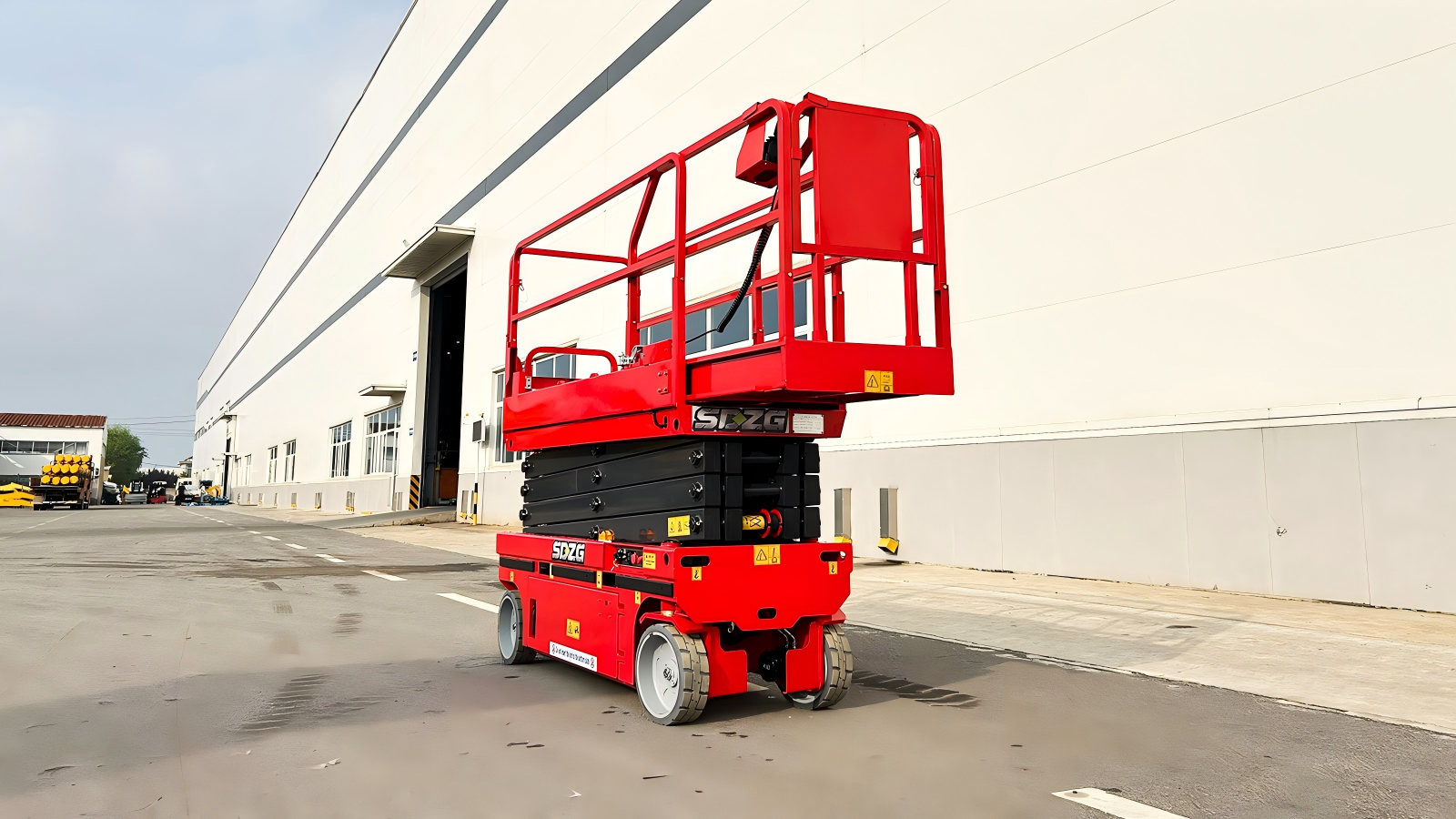
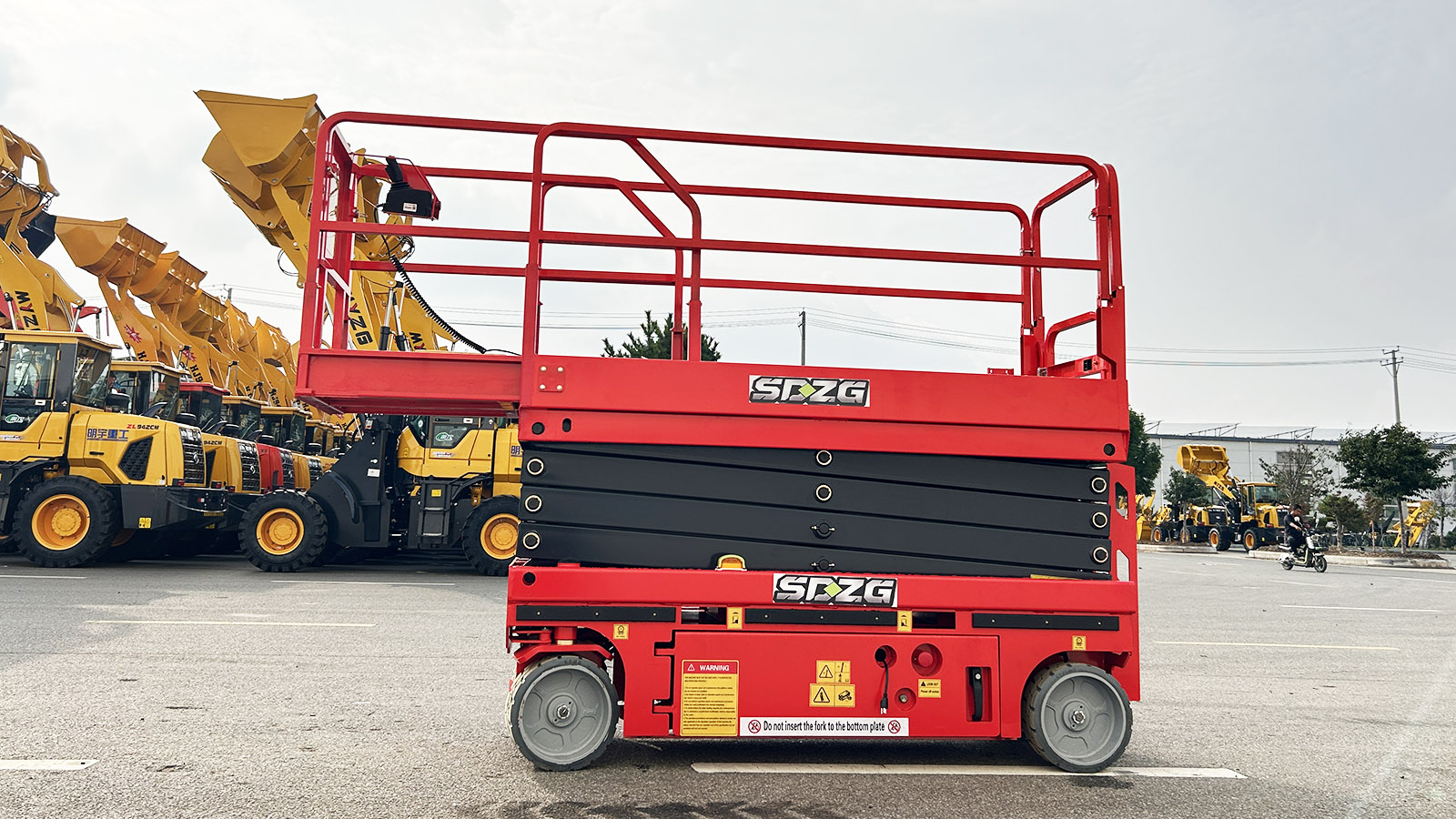
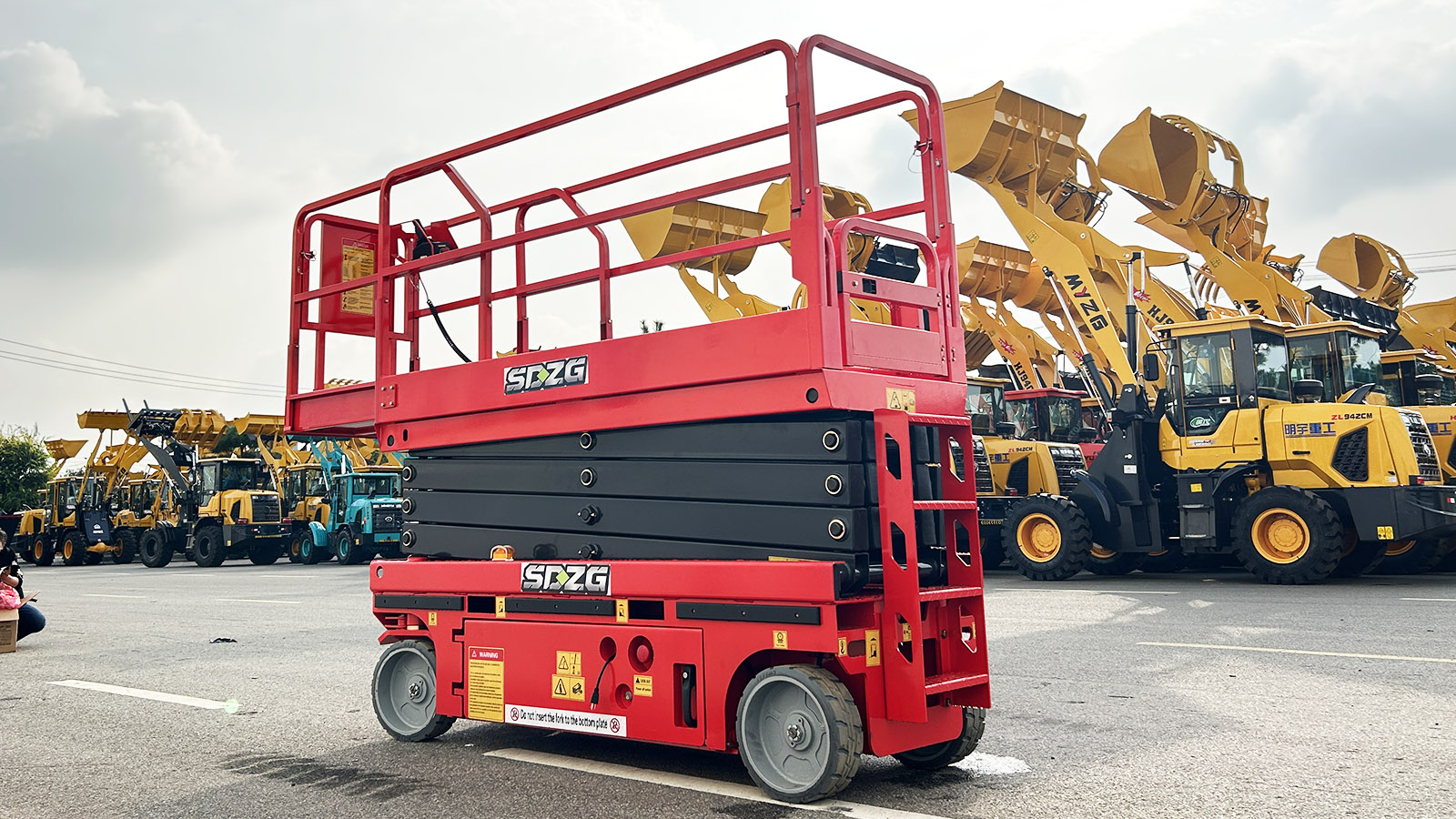
Scissor lifts are among the most commonly rented aerial work platforms because they provide stable vertical lifting and a large working platform. They are widely used for electrical installation, ceiling maintenance, warehouse operations, lighting installation, and construction finishing work.
Electric scissor lifts are usually the most affordable option because they are designed for smooth indoor operation. They produce low noise and zero exhaust emissions, making them suitable for shopping malls, factories, and warehouses.
Typical electric scissor lift rental prices:
Small models (6–8 meters working height): around $100–$300 per day
Medium models (10–12 meters working height): around $200–$500 per day
Large models (14 meters or above): $400–$800 per day
Diesel rough terrain scissor lifts usually cost more because they are equipped with stronger engines, larger tires, and improved stability systems. They are designed for outdoor construction sites with uneven ground conditions.
Rental prices for rough terrain scissor lifts may range from $400 to over $1,000 per day depending on lifting height and capacity.
3.2 Boom Lift Rental Costs
Boom lifts are designed for applications requiring horizontal outreach as well as vertical lifting. Unlike scissor lifts, which mainly move straight upward, boom lifts allow operators to reach areas over obstacles.
There are two major types of boom lifts:
Articulating boom lifts
Flexible multi-section arms
Suitable for complex working environments
Commonly used for building maintenance, bridge inspection, and industrial repairs
Telescopic boom lifts
Straight extension boom design
Provide greater working height and horizontal reach
Commonly used in large construction projects
Rental prices depend heavily on lifting height.
Typical boom lift rental costs:
Compact boom lifts: $300–$600 per day
Medium boom lifts: $500–$1,000 per day
Large telescopic boom lifts: $1,000–$2,000+ per day
Because boom lifts are more specialized machines, transportation and operator training requirements may also increase the total rental cost.
3.3 Vertical Mast Lift and Compact Aerial Platform Rental Costs
Compact aerial platforms are designed for indoor work where space is limited. They are commonly used in warehouses, supermarkets, hotels, airports, and industrial facilities.
Advantages include:
Small turning radius
Easy transportation
Low operating cost
Simple operation
These machines usually have lower rental prices, often ranging from $100 to $300 per day depending on height and configuration.
4. Main Factors That Affect Aerial Work Platform Rental Prices
4.1 Working Height and Platform Capacity
Working height is one of the most important factors affecting rental costs. A machine capable of reaching 20 meters will naturally cost more than a machine designed for 6-meter applications.
Higher platforms require:
Stronger structural components
More advanced hydraulic systems
Larger chassis designs
Increased safety features
Platform capacity also influences price. Machines designed to lift multiple workers and heavy tools usually have higher rental rates.
4.2 Equipment Type and Power Source
The power source also affects rental pricing.
Electric aerial platforms:
Lower operating noise
No exhaust emissions
Suitable for indoor environments
Lower energy costs
Diesel aerial platforms:
Higher power output
Better performance outdoors
Suitable for rough terrain
Hybrid aerial platforms combine electric and engine power, providing flexibility but often with higher rental costs.
4.3 Rental Duration
The rental period has a significant impact on total cost.
Daily rental:
Suitable for short maintenance tasks
Higher average daily cost
Weekly rental:
Better choice for construction projects
Lower average daily price
Monthly rental:
Ideal for long-term projects
Provides the biggest cost savings
Companies should estimate project duration carefully to avoid unnecessary rental expenses.
4.4 Location and Transportation Costs
Rental prices vary by region. Equipment availability, local demand, and transportation distance all influence final pricing.
Transportation costs may include:
Delivery charges
Pickup fees
Special transport permits
Choosing a rental company closer to the job site can significantly reduce additional expenses.
4.5 Machine Condition and Brand
Newer equipment with advanced safety systems may have higher rental prices but often provides better reliability.
Important factors include:
Maintenance history
Safety inspection records
Equipment age
Brand reputation
Reliable machines reduce downtime and improve job efficiency.
5. Additional Costs Besides the Basic Rental Fee
The advertised rental price may not include all expenses. Customers should consider additional costs such as:
Transportation fees
Large aerial platforms usually require specialized trailers or trucks.
Operator costs
Some projects require trained operators provided by the rental company.
Insurance fees
Rental companies may require insurance coverage against damage or accidents.
Fuel costs
Diesel machines require fuel during operation.
Battery charging costs
Electric platforms require proper charging facilities.
Overtime charges
Using equipment beyond the agreed rental period may result in additional fees.
Understanding these extra costs helps companies calculate the true project budget.
6. Daily Rental vs Weekly Rental: Which Option Is More Cost-Effective?
Choosing between daily and weekly rental depends on project requirements.
Daily rental is suitable when:
The job can be completed quickly
Equipment is needed for emergency repairs
The working period is uncertain
Weekly rental is better when:
Construction projects last several days
Multiple tasks require elevated access
Equipment needs to remain on-site
For example, renting a scissor lift for five individual days may cost significantly more than choosing a weekly rental package. Businesses should estimate working time carefully and negotiate longer rental periods when possible.
7. How to Reduce Aerial Work Platform Rental Costs
Companies can reduce rental expenses through proper planning.
First, select the correct machine size. Renting a larger machine than necessary increases costs without improving productivity.
Second, compare multiple rental suppliers. Prices, service packages, and equipment availability can vary significantly.
Third, reserve equipment early. During busy construction seasons, rental demand increases and prices may rise.
Other cost-saving methods include:
Choosing weekly or monthly rental plans
Checking included services
Avoiding unnecessary transportation costs
Operating equipment correctly to prevent damage fees
8. Renting vs Buying an Aerial Work Platform: Cost Comparison
Renting is often the preferred choice for companies with occasional equipment needs. It avoids large upfront investment and eliminates long-term maintenance responsibilities.
Advantages of renting:
Lower initial cost
Access to different equipment models
No storage requirements
Reduced repair responsibility
Buying may be more economical when:
Equipment is used frequently
Projects continue throughout the year
The company requires customized equipment
Businesses should compare purchase price, maintenance, depreciation, and utilization frequency before making a decision.
9. Safety Considerations When Renting an Aerial Work Platform
Safety should always be the priority when renting aerial equipment.
Before operation, users should check:
Emergency lowering systems
Platform controls
Guardrails
Tires
Hydraulic systems
Battery condition
Operators should receive proper training and follow workplace safety regulations.
Choosing a low-cost rental provider without proper maintenance records may create unnecessary risks. Reliable rental companies regularly inspect equipment to ensure safe operation.
10. How to Choose the Right Aerial Work Platform Rental Supplier
A good rental supplier should provide:
Well-maintained equipment
Clear rental contracts
Technical support
Fast delivery service
Safety documentation
Companies should evaluate supplier reputation, customer feedback, and after-sales support before making a decision.
11. Future Trends Affecting Aerial Work Platform Rental Prices
The aerial equipment rental industry is changing rapidly.
Electric aerial platforms are becoming more popular because companies are seeking cleaner and quieter equipment. Smart monitoring systems are also improving fleet management and reducing maintenance costs.
As construction and industrial safety standards continue to develop, demand for advanced aerial work platforms is expected to increase.
12. Conclusion: Making the Best Decision for Aerial Work Platform Rental
The cost of renting an aerial work platform can range from a few hundred dollars per day for compact machines to over a thousand dollars per day for large boom lifts. The final price depends on equipment type, lifting height, rental duration, location, and additional services.
Choosing the right machine is more important than simply selecting the cheapest rental option. Companies should consider project requirements, safety standards, and total operating costs.
By understanding rental pricing factors and planning carefully, businesses can improve efficiency, reduce expenses, and complete elevated work safely and effectively.
Post time:Jul.20.2026
