
How Much Does a New Diesel Wheel Loader Cost in 2026?
1. Introduction: Understanding the Price of a New Diesel Wheel Loader in 2026
Diesel wheel loaders continue to be one of the most widely used types of heavy machinery in the world. They play an important role in construction, mining, agriculture, quarrying, logistics, waste management, and infrastructure development. With their powerful engines, large buckets, and excellent mobility, wheel loaders can efficiently handle tasks such as loading, transporting, stacking, and moving various materials including soil, sand, gravel, coal, and construction waste.
In 2026, the demand for new diesel wheel loaders remains strong because many industries still require reliable machines with high productivity and long working hours. Although electric and hybrid construction equipment is becoming more popular, diesel wheel loaders continue to dominate many heavy-duty applications due to their power, operating range, refueling convenience, and ability to work in challenging environments.
The cost of a new diesel wheel loader can vary significantly depending on machine size, engine power, bucket capacity, brand, emission standard, technology features, and country of manufacture. A compact wheel loader for agricultural and small construction applications may cost around $20,000–$80,000, while large mining wheel loaders can cost several hundred thousand dollars.
For buyers planning to purchase a wheel loader in 2026, understanding the factors behind pricing is essential. The cheapest machine is not always the most economical choice. A reliable loader with suitable specifications, efficient fuel consumption, easy maintenance, and strong after-sales support can provide better long-term value.
This article will explain the average cost of new diesel wheel loaders in 2026, compare prices based on different sizes and applications, analyze the factors affecting purchase costs, discuss additional ownership expenses, and provide guidance on choosing the right wheel loader for different industries.
2. Average Cost of a New Diesel Wheel Loader in 2026
The price of a new diesel wheel loader depends mainly on its operating capacity and technical specifications. In general, larger machines with more powerful engines and higher loading capacity have higher purchase prices.
Typical price ranges in 2026 include:
Compact diesel wheel loaders:
Approximately $20,000–$80,000
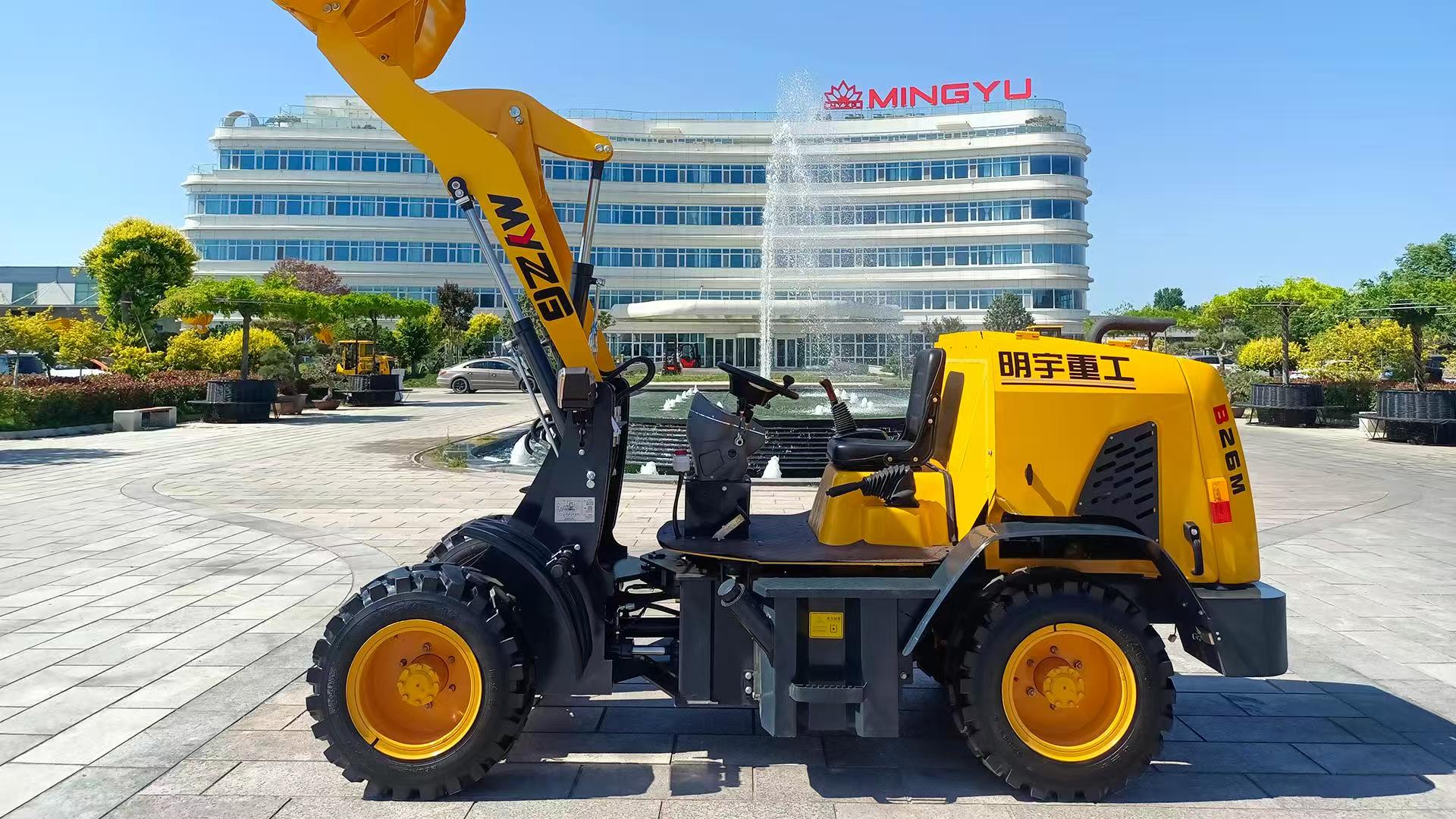
Compact loaders are designed for light-duty applications such as farms, landscaping, small construction projects, and municipal work. They usually feature smaller engines, compact dimensions, and lower fuel consumption.
Small diesel wheel loaders:
Approximately $40,000–$120,000
Small loaders are popular among contractors because they provide a balance between performance and operating cost. They are commonly used for construction sites, agricultural loading, material handling, and small quarry operations.
Medium diesel wheel loaders:
Approximately $100,000–$250,000
Medium-sized loaders are designed for commercial construction, mining support, and industrial applications. They provide higher productivity through larger buckets, stronger hydraulic systems, and more powerful engines.
Large diesel wheel loaders:
Approximately $250,000–$600,000+
Large loaders are used in mining, ports, and large infrastructure projects. Their high prices are related to extreme durability, advanced technology, and massive working capacity.
Besides the machine price, buyers should consider additional expenses such as transportation, import duties, spare parts, maintenance, and operating costs. The final investment should be calculated based on total ownership cost rather than only the purchase price.
3. Diesel Wheel Loader Prices by Size and Capacity
3.1 Compact Diesel Wheel Loader Cost
Compact wheel loaders are becoming increasingly popular because they provide excellent flexibility in limited working spaces. They are smaller than traditional loaders but still offer strong performance for many applications.
Common specifications:
Engine power: 40–80 HP
Bucket capacity: 0.3–1.0 m³
Operating weight: approximately 2–6 tons
Typical applications include:
Farm material handling
Landscaping
Small construction projects
Road maintenance
Snow removal
The main advantages of compact loaders include:
Lower purchase cost
Lower fuel consumption
Easy transportation
Simple maintenance
In 2026, compact diesel wheel loaders usually cost between $20,000 and $80,000 depending on engine brand, configuration, and attachments.
3.2 Small Wheel Loader Cost
Small wheel loaders are among the most widely purchased machines because they offer good productivity without the high cost of large equipment.
Typical specifications:
Engine power: 80–120 HP
Bucket capacity: 1.0–2.0 m³
Operating weight: 5–10 tons
They are commonly used in:
Construction sites
Sand and gravel yards
Agricultural operations
Material transportation
Recycling facilities
Small loaders provide better lifting capacity and faster working cycles than compact models while maintaining relatively low operating costs.
The average price range is approximately $40,000–$120,000.
3.3 Medium Wheel Loader Cost
Medium wheel loaders are designed for heavy commercial operations where productivity and durability are important.
Typical specifications:
Engine power: 120–250 HP
Bucket capacity: 2.0–5.0 m³
Operating weight: 10–25 tons
Applications include:
Large construction projects
Quarry operations
Mining support
Industrial material handling
The higher price of medium loaders comes from:
More powerful engines
Stronger hydraulic systems
Larger frames
Advanced transmission systems
Prices generally range from $100,000 to $250,000.
3.4 Large Mining Wheel Loader Cost
Large mining wheel loaders represent the highest level of loader technology. They are built for continuous operation in demanding environments.
Features include:
High horsepower engines
Extremely large buckets
Heavy-duty structures
Advanced electronic systems
They are used in:
Open-pit mining
Ports
Large-scale infrastructure projects
Due to their size and specialized design, prices can exceed $300,000 and may reach $600,000 or more.
4. Main Factors Affecting New Diesel Wheel Loader Prices in 2026
4.1 Engine Power and Performance
Engine power is one of the biggest factors influencing wheel loader prices.
Higher horsepower provides:
Greater digging force
Faster loading cycles
Higher productivity
Better performance under heavy loads
However, more powerful engines also increase purchase price and fuel consumption. Buyers should select engine power according to actual working requirements rather than simply choosing the largest model.
4.2 Bucket Capacity and Working Efficiency
Bucket size directly affects productivity.
Common bucket capacities include:
0.5 m³
1.0 m³
1.5 m³
3.0 m³ or larger
A larger bucket allows more material to be moved in each cycle, but it also requires stronger hydraulic systems and chassis structures.
Choosing the correct bucket size helps achieve the best balance between efficiency and operating cost.
4.3 Emission Standards and Engine Technology
Environmental regulations are becoming increasingly important worldwide.
Modern diesel wheel loaders may need to meet standards such as:
Stage V
Tier 4 Final
Euro emission requirements
Advanced emission systems can increase machine prices because they require:
Cleaner engine technology
Electronic fuel systems
Exhaust treatment systems
However, newer engines often provide better fuel efficiency and lower emissions.
4.4 Brand and Manufacturing Origin
Brand reputation has a major impact on pricing.
Premium international brands usually offer:
Strong dealer networks
Higher resale value
Advanced technology
Extensive service support
Chinese manufacturers have become increasingly competitive by offering:
Attractive prices
Improved quality
Modern designs
Export support
For many global buyers, Chinese wheel loaders provide a good balance between price and performance.
4.5 Configuration and Optional Features
Additional features can increase the purchase price, including:
Air-conditioned cabins
Hydraulic quick couplers
Automatic lubrication systems
Advanced monitoring systems
Ride control systems
Special attachments
Choosing only necessary options helps control investment costs.
5. Additional Costs When Buying a New Diesel Wheel Loader
The purchase price is only part of the total investment.
5.1 Transportation and Import Costs
International buyers should consider:
Ocean freight
Port charges
Customs duties
Inland transportation
Insurance costs
A lower machine price may not always mean lower total cost after shipping and import expenses.
5.2 Maintenance and Spare Parts Costs
Regular maintenance is necessary to keep wheel loaders operating efficiently.
Common maintenance items include:
Engine oil replacement
Hydraulic oil service
Filter replacement
Tire inspection
Transmission maintenance
Reliable spare parts supply is important for reducing downtime.
5.3 Fuel Consumption Costs
Fuel is one of the largest long-term operating expenses.
Fuel consumption depends on:
Engine efficiency
Operator skills
Working conditions
Load requirements
Selecting a fuel-efficient model can significantly reduce operating costs over years of use.
6. New Diesel Wheel Loader vs Used Wheel Loader: Which Is Better?
Buying new equipment provides several advantages:
Full warranty protection
Latest technology
Lower repair risks
Longer service life
Better fuel efficiency
However, used wheel loaders offer:
Lower initial investment
Faster return on investment
Suitable solutions for limited budgets
A new wheel loader is usually better for companies with long-term projects and high working hours. Used equipment may be suitable for occasional operations or temporary projects.
The right choice depends on budget, usage frequency, and business requirements.
7. How to Choose the Right Diesel Wheel Loader in 2026
Before purchasing a wheel loader, buyers should evaluate:
Working Environment
Consider:
Construction site conditions
Material type
Ground conditions
Daily operating hours
Machine Specifications
Important factors include:
Engine power
Bucket capacity
Operating weight
Tire type
Hydraulic performance
Avoid Oversized Equipment
A larger machine does not always mean better performance. Oversized loaders may increase:
Purchase cost
Fuel consumption
Maintenance expenses
The best choice is a machine that matches actual working requirements.
8. Comparing Chinese and International Diesel Wheel Loader Prices
Chinese wheel loaders have gained increasing popularity in global markets due to competitive pricing and improved quality.
Advantages include:
Lower purchase cost
Wide product range
Good customization options
Competitive spare parts prices
International brands often provide:
Strong global service networks
Higher resale value
Long-term market recognition
When comparing brands, buyers should consider:
Machine reliability
Warranty terms
Spare parts availability
Technical support
Price should be evaluated together with overall value.
9. Financing Options for Buying a New Diesel Wheel Loader
Many businesses use financing solutions to purchase heavy equipment.
Common options include:
Bank loans
Equipment leasing
Installment payments
Supplier financing programs
Financing allows companies to acquire productive equipment without paying the full amount upfront.
Before choosing financing, buyers should evaluate:
Interest rates
Payment period
Total repayment cost
10. Future Trends Affecting Wheel Loader Prices in 2026 and Beyond
The wheel loader industry continues to develop with new technologies.
Major trends include:
More fuel-efficient diesel engines
Electric and hybrid loaders
Smart monitoring systems
Remote equipment management
Automation technology
Environmental regulations will continue influencing loader design and manufacturing costs.
11. Tips for Getting the Best Price on a New Diesel Wheel Loader
To achieve better purchasing value:
Compare multiple suppliers
Request detailed quotations
Check machine configurations carefully
Consider direct factory purchasing
Negotiate optional packages
Evaluate warranty and after-sales service
Calculate total ownership costs
A reliable supplier can provide better long-term value than simply choosing the lowest price.
12. Conclusion: Finding the Best Value New Diesel Wheel Loader in 2026
The cost of a new diesel wheel loader in 2026 can range from around $20,000 for compact models to more than $600,000 for large mining machines.
The final price depends on machine size, engine power, bucket capacity, brand, emission standards, and optional features.
When choosing a wheel loader, buyers should focus not only on the initial purchase price but also on productivity, fuel efficiency, maintenance costs, and after-sales support.
A properly selected diesel wheel loader can improve working efficiency, reduce operating expenses, and provide reliable performance for many years in construction, agriculture, mining, and industrial applications.
Post time:Jul.20.2026
