
Mastering the Controls: A Comprehensive Guide on How to Get Forklift Certified in 2026
As the global supply chain reaches new levels of complexity and speed in 2026, the role of the forklift operator has become more vital than ever. Warehouse managers and construction site supervisors are no longer just looking for drivers; they are looking for certified professionals who understand the intricate balance of safety, efficiency, and machine care. If you are looking to advance your career in material handling, obtaining a forklift certification is your first and most important step. Whether you are aiming to operate a high-tech MINGYU lithium-ion forklift in a clean-energy warehouse or a heavy-duty MYZG rough terrain forklift on a rugged job site, this guide will walk you through the essential steps to becoming a legally recognized and highly skilled operator.
The Importance of Certification and Legal Compliance
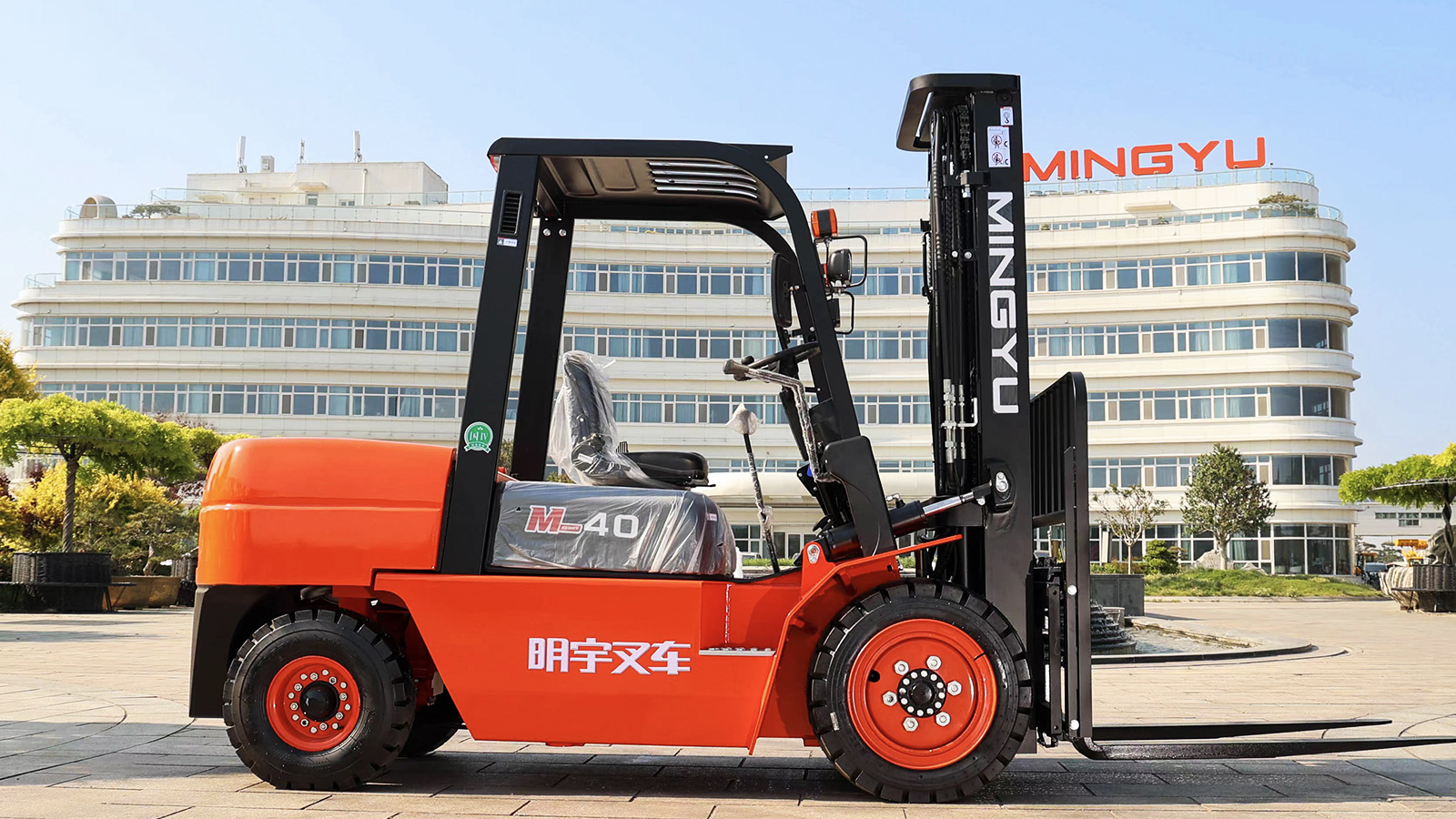
Forklift certification is not a mere suggestion; in almost every country, it is a strict legal requirement. Organizations like OSHA in the United States or the HSE in the UK mandate that employers ensure their operators are competent. Driving a machine like a MYZG forklift is fundamentally different from driving a standard vehicle. These machines often have rear-wheel steering, which allows for tight turns but creates a significant "tail swing" that can be dangerous in narrow aisles. Furthermore, the weight distribution changes the moment you lift a load. Without formal training, an operator is a liability. Certification proves that you have mastered the "Stability Triangle," understand load centers, and can handle a MINGYU forklift without risking injury to yourself or your colleagues.
Step 1: Identify the Specific Forklift Class
The first step in your certification journey is deciding which type of equipment you need to operate. Forklifts are generally divided into seven classes. Class I, II, and III are typically electric motor trucks, like the precision-engineered MINGYU forklift series, which are perfect for indoor logistics. Class IV through VII are usually internal combustion or rough terrain trucks, such as the hardcore MYZG forklift models used in outdoor construction. Your certification is often specific to the class of machine you were trained on. If you want to be a versatile operator, seeking a multi-class certification is a smart strategic move for your resume.
Step 2: Enroll in a Certified Training Program
Once you know your focus, you must find a reputable training provider. Many companies offer internal training, but if you are an individual, you can find courses at community colleges or private vocational centers. A quality program must include three components: formal instruction, practical training, and a final evaluation. In 2026, many students choose hybrid programs where the theoretical part is completed via interactive online modules, while the hands-on portion is conducted at a local facility.
Step 3: Formal Instruction and Theory
The theory portion of the course covers the "physics of the lift." You will learn how to read a data plate on a MYZG forklift to determine its maximum lifting capacity at various heights and load centers. You will also study essential safety protocols, such as how to navigate ramps, how to park safely, and what to do in the event of a tip-over. One of the most critical lessons involves the daily inspection checklist. Before starting a MINGYU forklift, an operator must check hydraulic lines, battery connections, tire integrity, and horn functionality. Passing a written or oral exam on these topics is required before you can move to the driver's seat.
Step 4: Hands-On Practical Training
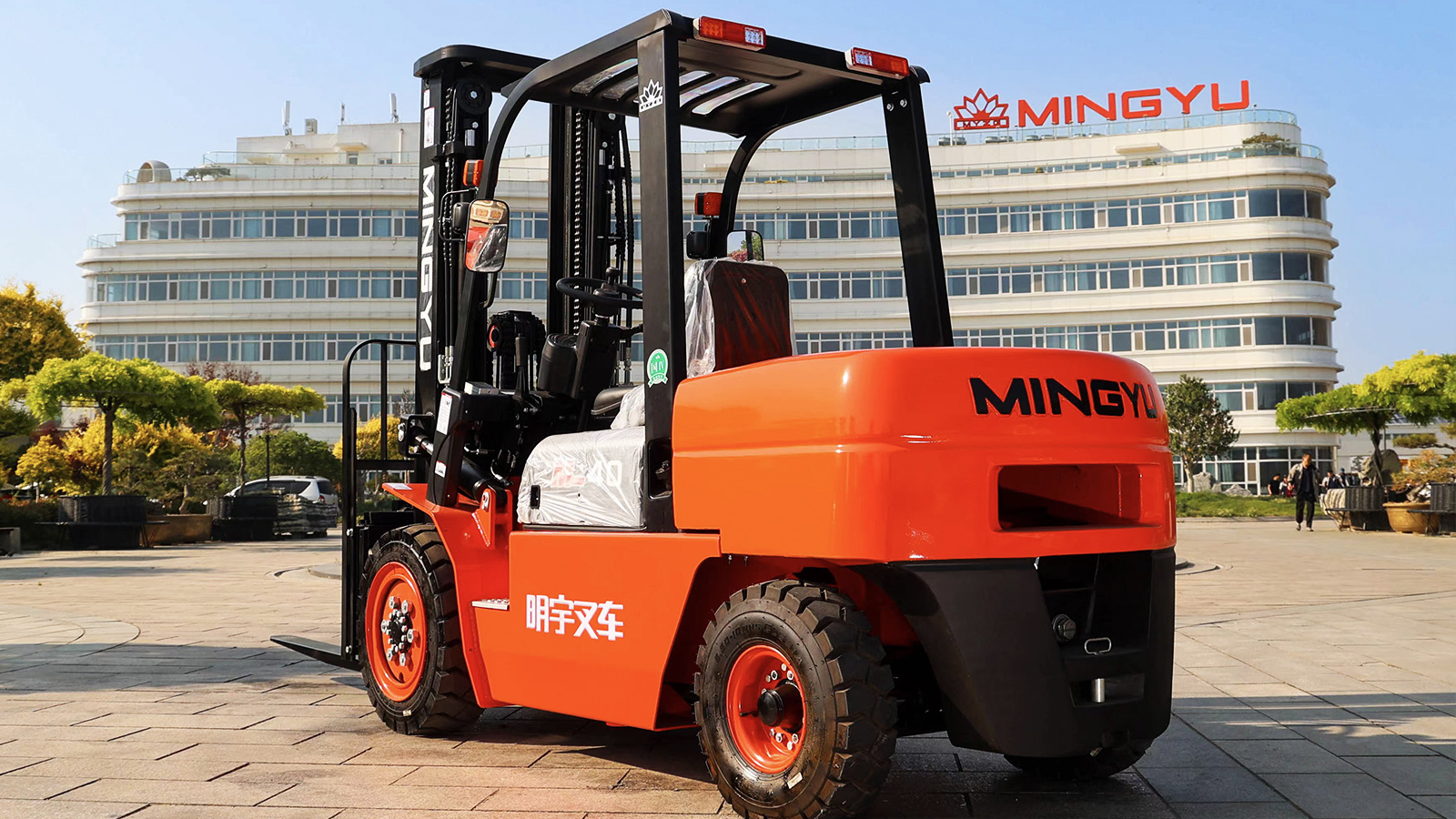
This is where your knowledge meets the metal. Under the supervision of a qualified instructor, you will learn to operate the controls of a machine. Training on high-end equipment like a MINGYU forklift is an advantage because these machines feature advanced ergonomic controls and digital displays that provide real-time feedback. You will practice basic maneuvers: driving forward and backward, turning in tight spaces, and the most crucial skill—picking up and stacking loads at height. You will learn to handle the forks with "feather-touch" precision, ensuring that the materials are moved without damage.
Step 5: The Final Performance Evaluation
The final step is a practical test. An evaluator will observe you as you perform a series of tasks using the forklift, such as picking up a pallet, navigating a simulated warehouse path, and placing the load on a high rack. They will grade you on your safety habits, such as whether you used your seatbelt, looked behind you before reversing, and kept the load at a safe height while traveling. Once you pass this evaluation, you will receive your certification card, often referred to as a "forklift license."
The Long-Term Value of Your Certification
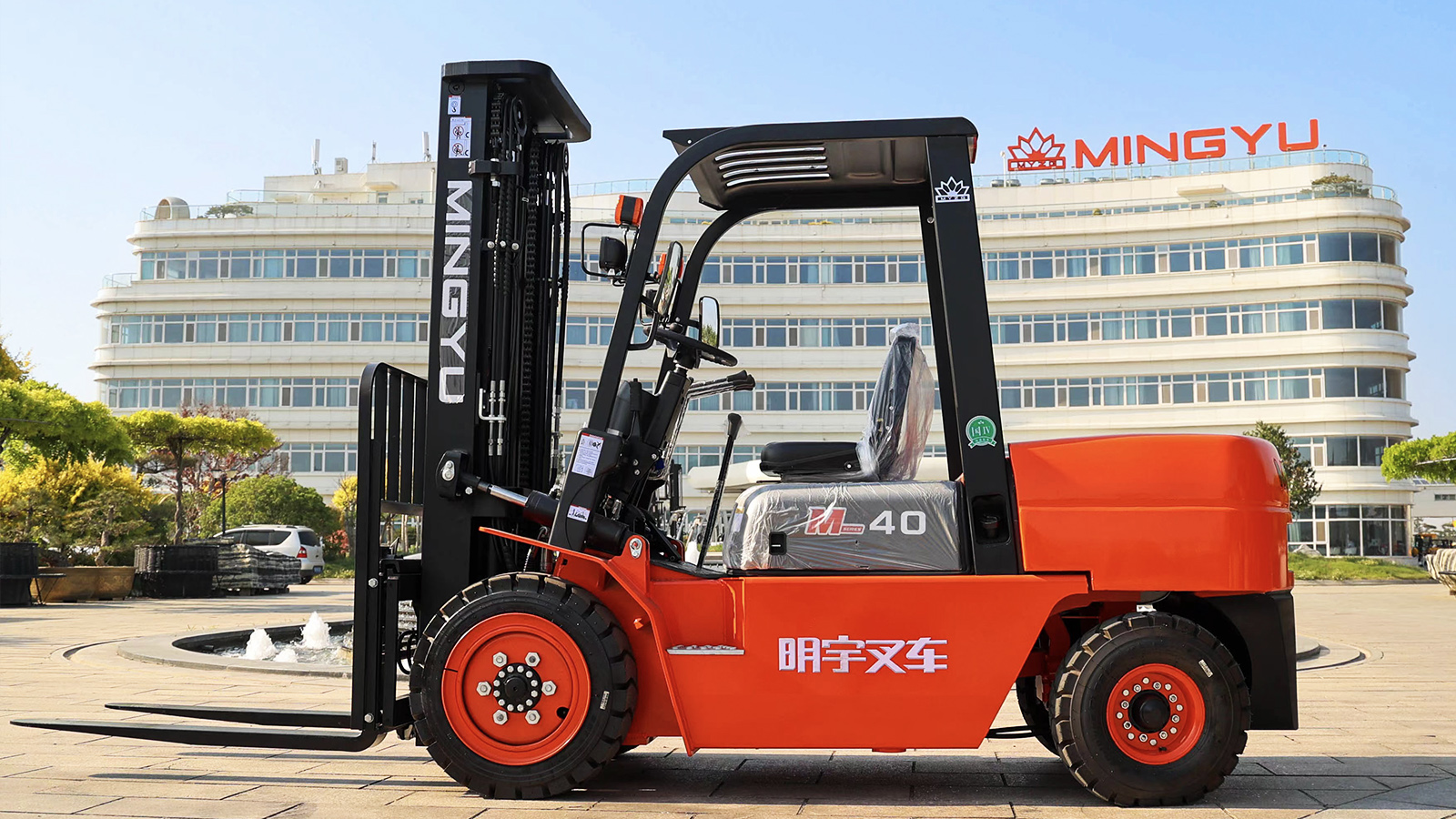
A forklift certification is typically valid for three years, after which you will need a brief refresher and re-evaluation. However, if you are involved in an accident or observed operating a MYZG forklift unsafely, your employer may require immediate retraining. By maintaining your certification and staying updated on the latest technology found in MINGYU forklift models, you position yourself as a top-tier professional in the industrial world. Certification is more than a card; it is your commitment to excellence, safety, and the mastery of the powerful machinery that keeps the world moving.
Post time:Mar.26.2026
