
How to Operate a Skid Steer (For Beginners): A Complete Step-by-Step Guide
Operating a skid steer for the first time can feel intimidating, but with the right knowledge and approach, it becomes one of the most versatile and efficient machines you can master. Whether you’re working in construction, agriculture, landscaping, or snow removal, a skid steer can significantly improve productivity. This beginner-friendly guide will walk you through everything you need to know—from understanding the machine to operating it safely and confidently.
1. Introduction to Skid Steer Operation
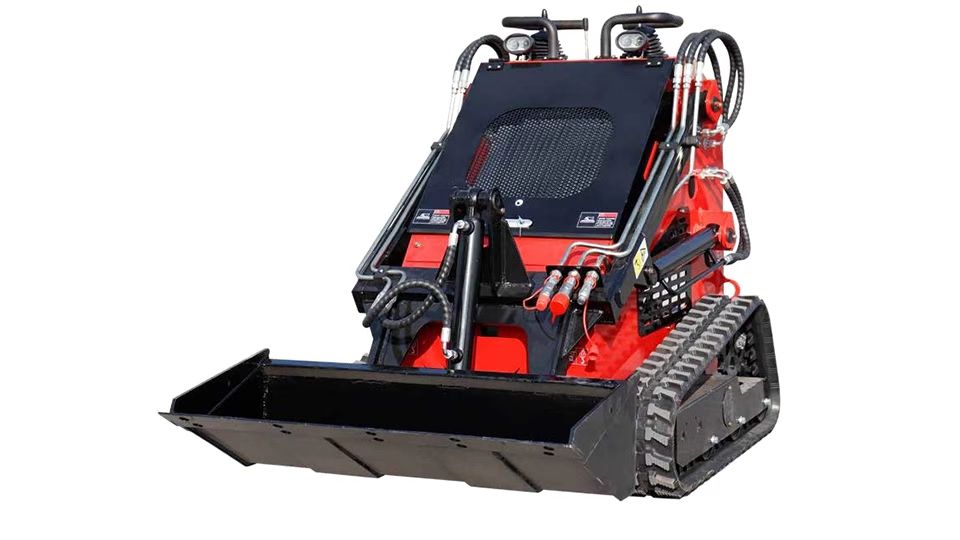
A skid steer is a compact, engine-powered machine with lift arms designed to attach to a wide variety of tools and attachments. Its unique steering system allows the wheels or tracks on each side to move independently, enabling tight turns and excellent maneuverability in confined spaces.
Beginners are often drawn to skid steers because they are relatively easy to learn compared to larger heavy equipment. However, proper operation is essential to avoid accidents, equipment damage, and inefficient work practices. In this guide, you’ll learn the basics of controls, safety, and real-world operating techniques.
2. Understanding Skid Steer Components
Before operating a skid steer, it’s important to understand its main parts:
Operator Cab: The enclosed or open area where you sit and control the machine. It includes the seat, safety bars, and control panel.
Lift Arms: These are the hydraulic arms used to raise and lower attachments.
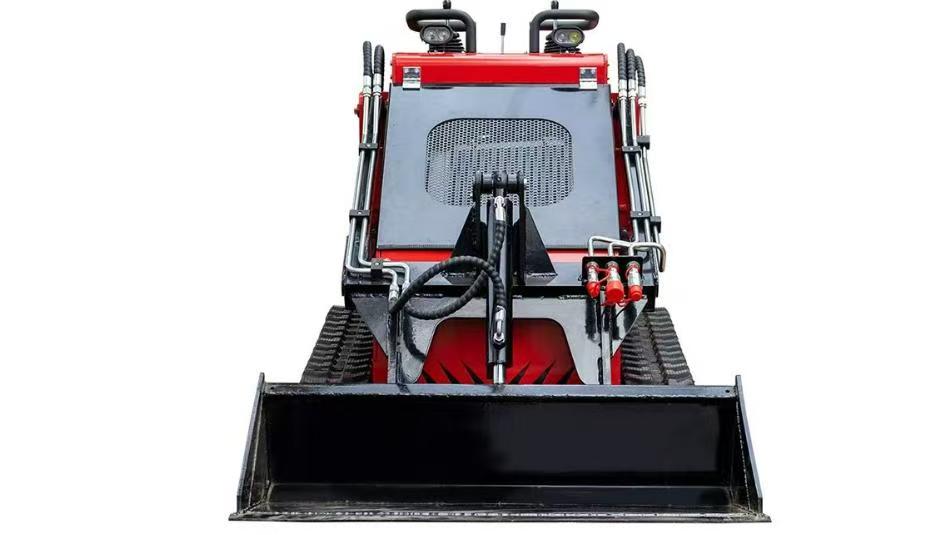
Attachment Plate: Located at the front, it allows quick connection of various tools.
Hydraulic System: Powers the lift arms and attachments.
Wheels or Tracks: Provide mobility and determine whether the machine is better suited for rough or smooth terrain.
Common attachments include buckets (for digging and loading), pallet forks (for lifting materials), augers (for drilling), and grapples (for handling debris). Knowing how each component works will make learning operation much easier.
3. Safety First: Essential Precautions
Safety should always be your top priority when operating a skid steer. These machines are powerful and can be dangerous if used improperly.
Key safety tips:
Always wear proper PPE (helmet, gloves, safety boots, and high-visibility clothing).
Never operate the machine without proper training or supervision.
Keep bystanders away from the work area.
Always fasten your seatbelt and lower the safety bar before operating.
Be aware of your surroundings, especially overhead obstacles and uneven ground.
Common hazards include tipping over, falling loads, and collisions. Staying alert and following safety procedures can prevent most accidents.
4. Pre-Operation Inspection Checklist
Before starting the skid steer, perform a thorough inspection:
Check fluid levels: Engine oil, hydraulic fluid, and coolant
Inspect tires or tracks: Look for wear, damage, or low pressure
Examine attachments: Ensure they are securely connected
Look for leaks or loose parts
Test lights and indicators
A quick inspection not only improves safety but also extends the life of the machine and prevents costly repairs.
5. How to Start a Skid Steer
Starting a skid steer properly ensures safe and smooth operation.
Steps:
Use the designated handholds and steps to enter the cab.
Sit down and adjust the seat for comfort and visibility.
Fasten your seatbelt and lower the safety bar.
Insert the key or use the start button to power up the machine.
Allow the engine to idle for a few minutes to warm up.
Check the dashboard for warning lights or error messages.
Never rush this process—taking a few extra moments ensures everything is functioning correctly.
6. Basic Controls Explained
Modern skid steers typically use joystick controls, although some models still have hand and foot controls.
Key movements:
Forward/Backward: Push both joysticks forward or backward
Turning: Push one joystick forward and the other backward
Lift Arms: Move the joystick upward to raise, downward to lower
Tilt Bucket: Tilt forward to dump, backward to scoop
Spend time familiarizing yourself with these controls before attempting any real work. Practice slow and steady movements to build confidence.
7. Driving a Skid Steer for the First Time
Driving a skid steer is different from driving a car because of its skid steering mechanism.
Beginner tips:
Start with slow speeds and gentle movements
Practice moving forward, backward, and turning in an open area
Avoid sudden stops or sharp turns
Keep loads low while driving to maintain stability
Driving on slopes:
Always move straight up or down slopes, not sideways
Keep the heavy end of the machine facing uphill
Avoid steep or unstable terrain
With practice, you’ll develop smooth control and better awareness of the machine’s movement.
8. Operating Attachments
One of the biggest advantages of a skid steer is its versatility with attachments.
Connecting attachments:
Align the machine with the attachment
Lock the attachment plate into place
Connect hydraulic hoses if required
Using a bucket:
Lower the bucket to the ground
Tilt slightly upward when scooping
Lift and transport materials carefully
Other attachments like forks, augers, and grapples each have their own techniques, but the basic principle remains the same: operate slowly and maintain control at all times.
9. Basic Work Techniques
Once you’re comfortable with controls, you can begin performing basic tasks:
Loading: Drive into the material, scoop, lift, and transport
Grading: Use the bucket to level surfaces by dragging it evenly
Digging: Apply steady pressure and avoid overloading
Transporting: Keep loads low and balanced
Efficiency comes with practice. Focus on smooth, controlled movements rather than speed.
10. Common Beginner Mistakes to Avoid
Many beginners make similar mistakes when learning to operate a skid steer:
Overloading the machine, which can cause tipping
Driving too fast, leading to loss of control
Improper turning, which can damage surfaces or the machine
Ignoring safety checks
Avoiding these mistakes early will help you become a safer and more skilled operator.
11. Maintenance Tips for Beginners
Regular maintenance is essential for keeping your skid steer in good condition.
Basic maintenance includes:
Checking and topping off fluids
Cleaning dirt and debris from the machine
Inspecting moving parts for wear
Lubricating joints and components
Daily checks can prevent major breakdowns and extend the lifespan of your equipment.
12. When and Where to Practice
Practice is the key to mastering skid steer operation.
Start in a wide, open area free of obstacles
Practice basic movements repeatedly
Gradually introduce tasks like loading and grading
Seek guidance from experienced operators
Training programs and certifications can also help you build confidence and improve your skills faster.
13. Conclusion
Learning how to operate a skid steer may seem challenging at first, but with the right approach, it becomes a highly valuable skill. By understanding the machine, following safety procedures, and practicing regularly, beginners can quickly gain confidence and efficiency.
Always remember: safety comes first, smooth operation is better than fast operation, and consistent practice leads to mastery. With time and experience, you’ll be able to handle a wide range of tasks and make the most of this incredibly versatile machine.
Post time:Mar.26.2026
