
ZGLOADER / MYZG WZ25E Electric Backhoe Loader Site Planning Guide
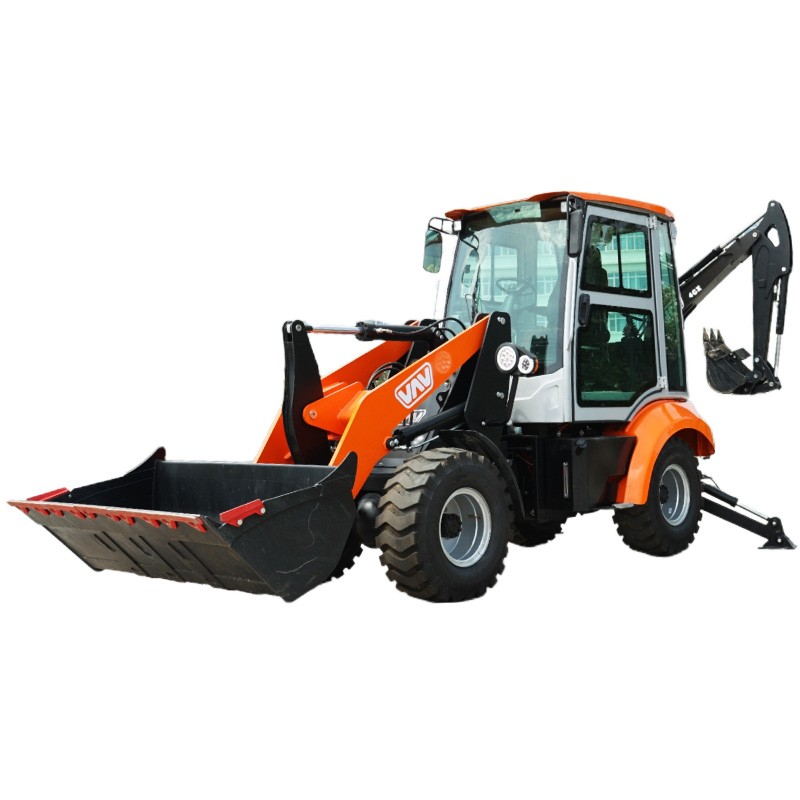
WZ25E electric backhoe loader: plan the site, charging and ownership before ordering
This planning guide helps buyers turn a job description into a written WZ25E configuration. The read-only source confirms 4200 kg overall operating weight, a 154V / 206Ah battery reference and 10.5/45-16 tyres. Runtime, charger, work range and every other order-specific value must still be confirmed in writing.
Start with the work cycle, not a catalogue photograph
The WZ25E combines a front loader and rear excavator for mixed jobs. Shandong Zhuogong Machinery equipment Co.,Ltd lists electric construction and material-handling choices in the All Products range. A useful enquiry explains where the machine will work, what it will dig or carry, how often it changes tasks and where it can charge.
Map a normal day from arrival to shutdown: travel to the work area, stabilize, excavate, reposition, load spoil, backfill, clean the site and return to a protected charging point. This exposes access limits, duty-cycle peaks, attachment needs and service risks before they become expensive changes.
Customer risks this WZ25E planning process reduces
Electric equipment can suit managed facilities, estates, nurseries, farms and urban work, but a battery value alone does not prove runtime. Mismatched site power, narrow gates, weak ground, unsuitable tyres, unavailable attachments or distant technical support can disrupt a project. A written site survey and duty-cycle description reduce those uncertainties.
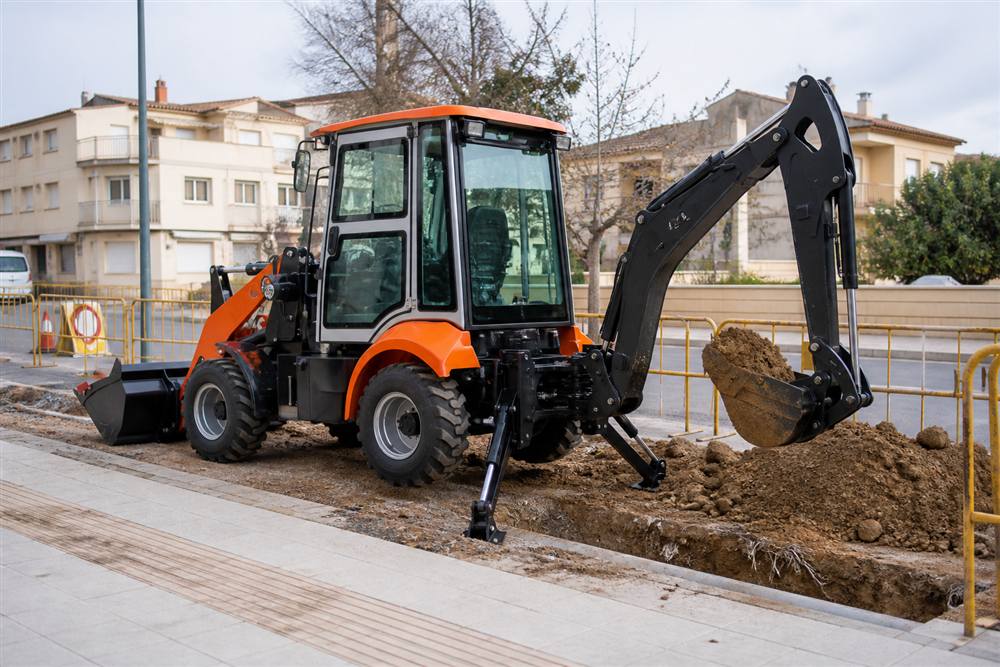
Verified WZ25E facts and the data still required
The table contains only three fields verified in the read-only source. Compare the earlier WZ25E application and buying guide for task examples. Request final dimensions, bucket sizes, digging range, lifting limits, travel speed, hydraulic interfaces, battery chemistry, usable energy, charger input, charging time, protection ratings, shipping data and included tools in the signed offer.
| Model | WZ25E |
| Overall operating weight | 4200 kg |
| Battery voltage and capacity | 154V / 206Ah |
| Tyre size | 10.5/45-16 |
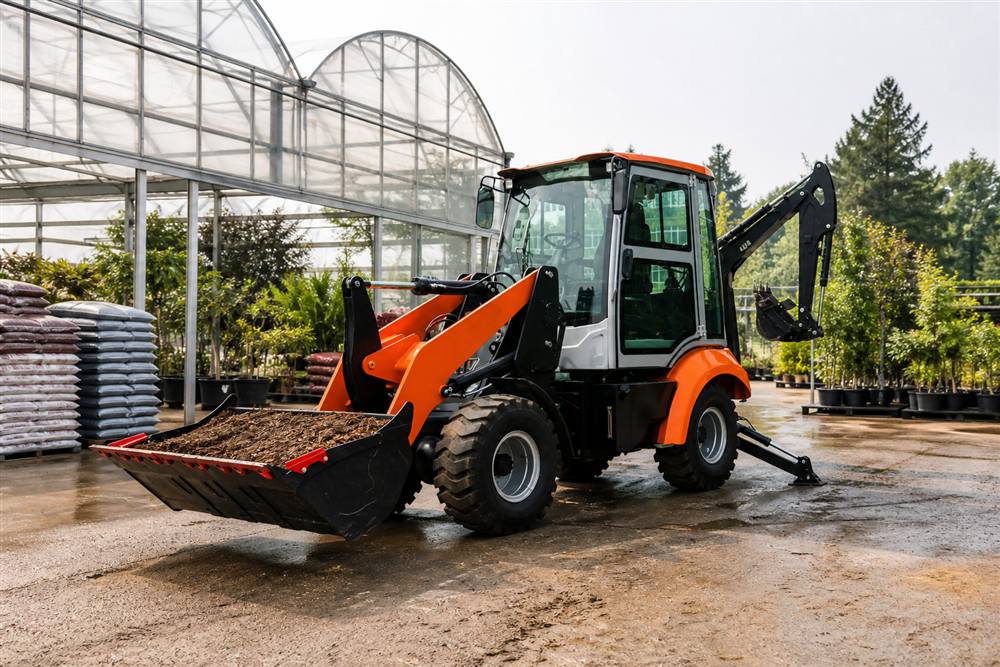
Four planning decisions that shape a reliable purchase
1. Define excavation and loading as separate duty segments
Record trench width, target depth, soil condition and spoil placement for rear work. For front loading, record material type, density, loading height, travel distance and surface. Separating the two segments helps the supplier assess attachments and operating limits without inventing a single generic production figure.
2. Build a charging plan around the verified 154V / 206Ah reference
Confirm battery chemistry, usable capacity, charger model, connector, input voltage, current, phase, charging time, environmental limits and warranty terms. Check the destination supply with a qualified electrician. Provide a dry, protected and controlled charging area and document operator isolation and inspection procedures.
3. Match the verified 10.5/45-16 tyres to the surface
Tyre size is confirmed, but tread, pressure, rating and optional choices still matter. Describe asphalt, gravel, compacted soil, nursery concrete, farm tracks and soft shoulders. Ask for the selected tyre specification in writing and include access slopes, edge conditions and seasonal ground changes.
4. Plan safe setup for both ends of the machine
Identify underground services, overhead restrictions, trench edges, exclusion zones and stabilizer support before excavation. Measure gates, corners and loading areas. Operators need a clear procedure for securing one attachment while using the other, travelling with implements controlled and stopping work when ground support is uncertain.
Three job profiles to discuss with the supplier
Buyers often compare electric backhoe loaders for utility repair, greenhouse or estate material handling and rural drainage. The explanation of what a backhoe loader is primarily used for helps separate flexible mixed work from applications that need a dedicated excavator or wheel loader.
Urban utilities and managed-property repairs
Provide the approved service plan, trench dimensions, pavement protection, spoil route, working hours and public-separation measures. Confirm safe stabilizer placement and whether the machine dimensions suit the access corridor before shipment.
Greenhouses, nurseries and estate material movement
Describe aisle widths, roof clearance, floor condition, bagged or loose material, bucket fill expectations and charging location. Clean operation may be useful in managed environments, but ventilation, electrical rules, tyre marking and emergency procedures still require site-specific review.
Farm tracks, culverts and drainage maintenance
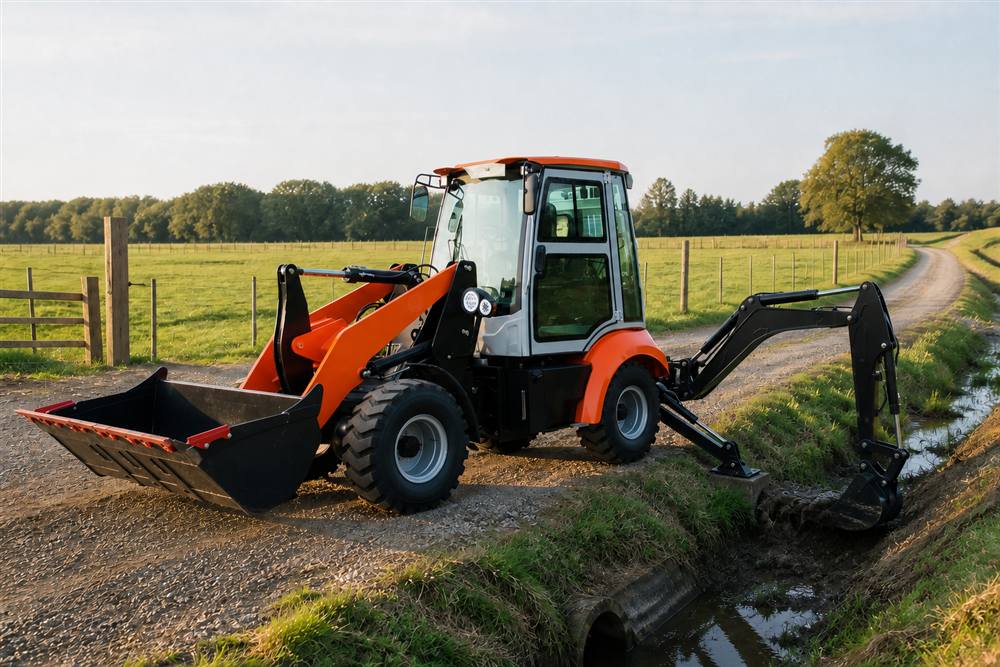
Share ditch geometry, soil moisture, shoulder strength, slope, culvert access and travel distance. Ask the supplier to confirm tyre suitability, stabilizer support, attachment choice, transport method and seasonal maintenance needs for the ordered configuration.
A practical WZ25E request-for-quotation checklist
Send application photos, access measurements, material details, trench and loading targets, daily schedule, climate, electricity supply, attachments, destination port, compliance requirements and local service capability. Require a configuration sheet, exclusions, manuals, parts list, warranty, packing method, delivery scope and commissioning responsibilities. Compare complete scopes rather than headline price alone.
Maintenance, charging discipline and total cost of ownership
Plan daily checks for battery state, connectors, charge interface, cables, warnings, cooling, hydraulic fluid, hoses, cylinders, pins, bushings, buckets, cutting edges, stabilizers, tyres, wheel fasteners, steering, brakes, lights and leaks. Total cost should include electricity, charger installation, battery aging, wear parts, transport, scheduled downtime, training and access to technical support.
Parts planning, rental support and dealer opportunity
Dealers and rental fleets can package site qualification, operator handover, charging guidance, preventive maintenance and fast-moving parts around the WZ25E. This creates a service offer instead of a price-only sale. To discuss configuration, spares or distribution, contact the MYZG export team with the country, customer segment and expected work cycle.
CE, EPA, export documents and evidence-based trust
CE-related evidence, electrical documentation, battery transport documents and destination conformity depend on the final machine and market; request the applicable documents before shipment. EPA engine-emission rules generally concern combustion engines, so do not assume applicability or a certificate number for an electric machine. MYZG can support configuration review, pre-shipment inspection, export packing, manuals, documents, parts identification and after-sales communication. Customer cases should be shared only with permission and verifiable facts.
Frequently asked questions
What WZ25E information is verified here?
The source confirms 4200 kg overall operating weight, a 154V / 206Ah battery reference and 10.5/45-16 tyres. All other ordered data must be confirmed in writing.
What should a charging assessment include?
Include site voltage, phase, current, protection, connector, charging window, ambient conditions and operator procedure. Request battery chemistry, usable energy, charger input, charging time and warranty in the quotation.
How can a buyer compare total cost?
Compare purchase scope, charger installation, electricity, battery aging, wear parts, transport, training, scheduled service, downtime and local technical access over the intended ownership period.
Request a site-matched WZ25E proposal
Send the work cycle, access measurements, electrical supply, materials, destination and attachment needs. The export team will review the written configuration, documentation, packing, parts and delivery scope before quoting.
Shandong Zhuogong Machinery equipment Co.,Ltd (ZGLOADER / MYZG)
WhatsApp / Skype / WeChat: +86 13176910558 | Corporate email: MYZG@my-forklift.com
Products categories
-
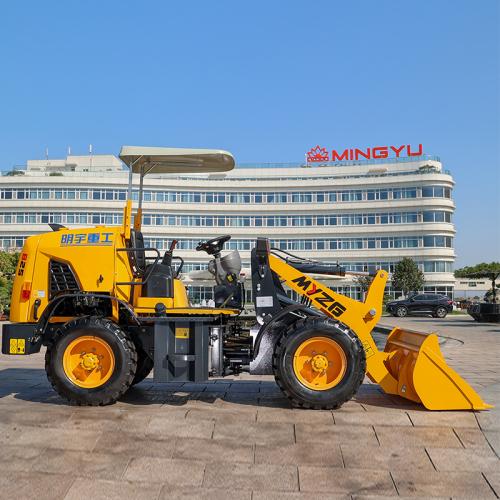
Power in Compact Form: Introducing the MYZG/SDZG B25 Wheel Loader
-
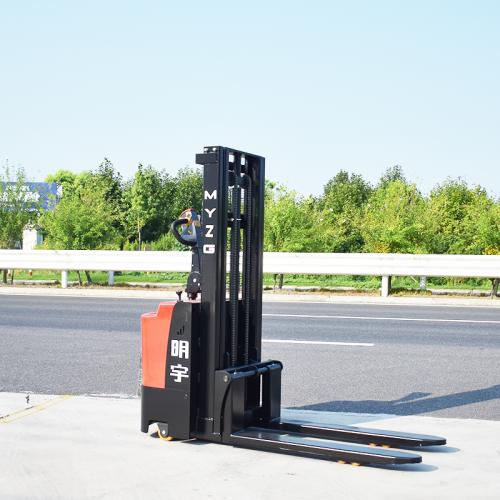
Efficiency on a Budget: Introducing the MYCDD-G Stand-on Electric Stacker (ECONOMICAL)
-
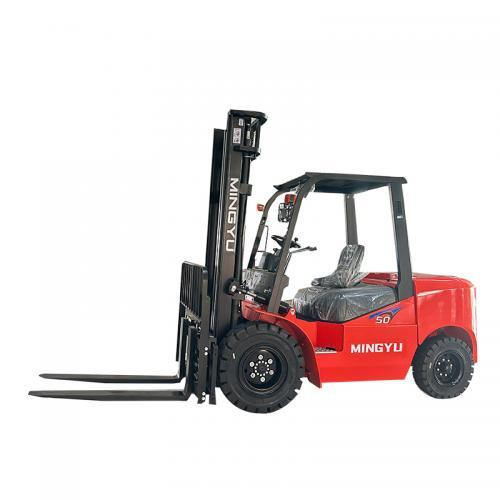
ZGLOADER / MYZG CPC50 5 Ton Diesel Forklift
-
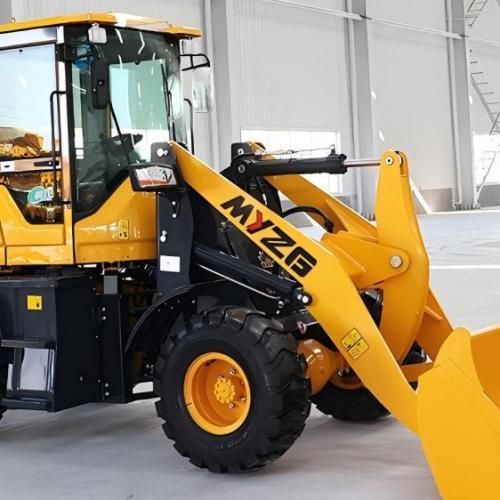
ZGLOADER / MYZG ZL928C Diesel Wheel Loader Worksite Buying Guide
-
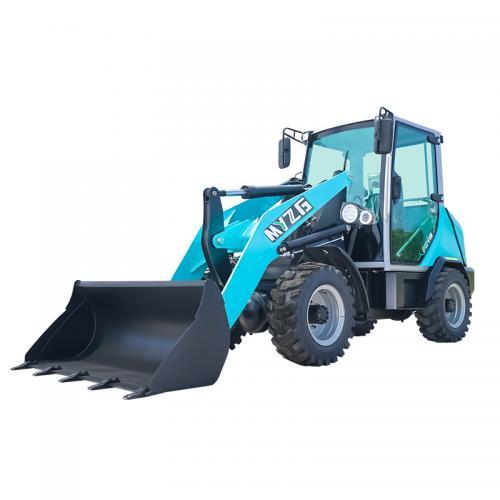
ZGLOADER / MYZG E20 Electric Wheel Loader Industry Solutions and TCO Guide
-
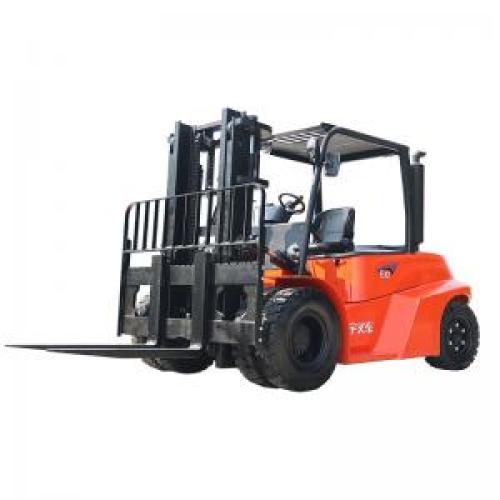
ZGFORKLIFT / MYZG CPC80 8 Ton Diesel Forklift
