
Where to Buy a Used European Style Articulated Loader With Low Hours?
1. Introduction
European style articulated loaders have become increasingly popular across construction, agriculture, landscaping, and municipal industries due to their compact size, excellent maneuverability, and impressive versatility. Unlike traditional wheel loaders, these machines are designed with an articulated steering system that allows the front and rear frames to pivot independently, making them highly efficient in tight working environments. Their ability to handle multiple attachments also makes them suitable for a wide range of applications, from material handling and snow removal to farming and warehouse operations.
However, purchasing a brand-new articulated loader can require a significant investment, especially for small contractors or growing businesses. This is why many buyers are turning to the used equipment market in search of low-hour machines. A low-hour used loader often provides the perfect balance between affordability and performance. Buyers can save thousands of dollars while still obtaining a machine with many years of service life remaining.
The global used equipment market has expanded rapidly in recent years, making it easier than ever to find quality European style articulated loaders from trusted dealers, online marketplaces, auctions, and rental fleets. Yet buying a used loader is not always simple. Some machines may have hidden mechanical issues, inaccurate hour meters, or poor maintenance histories. Knowing where to buy and how to inspect a machine is essential for making a smart investment.
This article explains the best places to buy low-hour used European style articulated loaders, how to identify reliable machines, what inspection points matter most, and how to avoid common purchasing mistakes. Whether you are a contractor, farmer, equipment rental company, or first-time buyer, this guide will help you make a confident purchasing decision.
2. What Is a European Style Articulated Loader?
2.1 Definition and Key Features
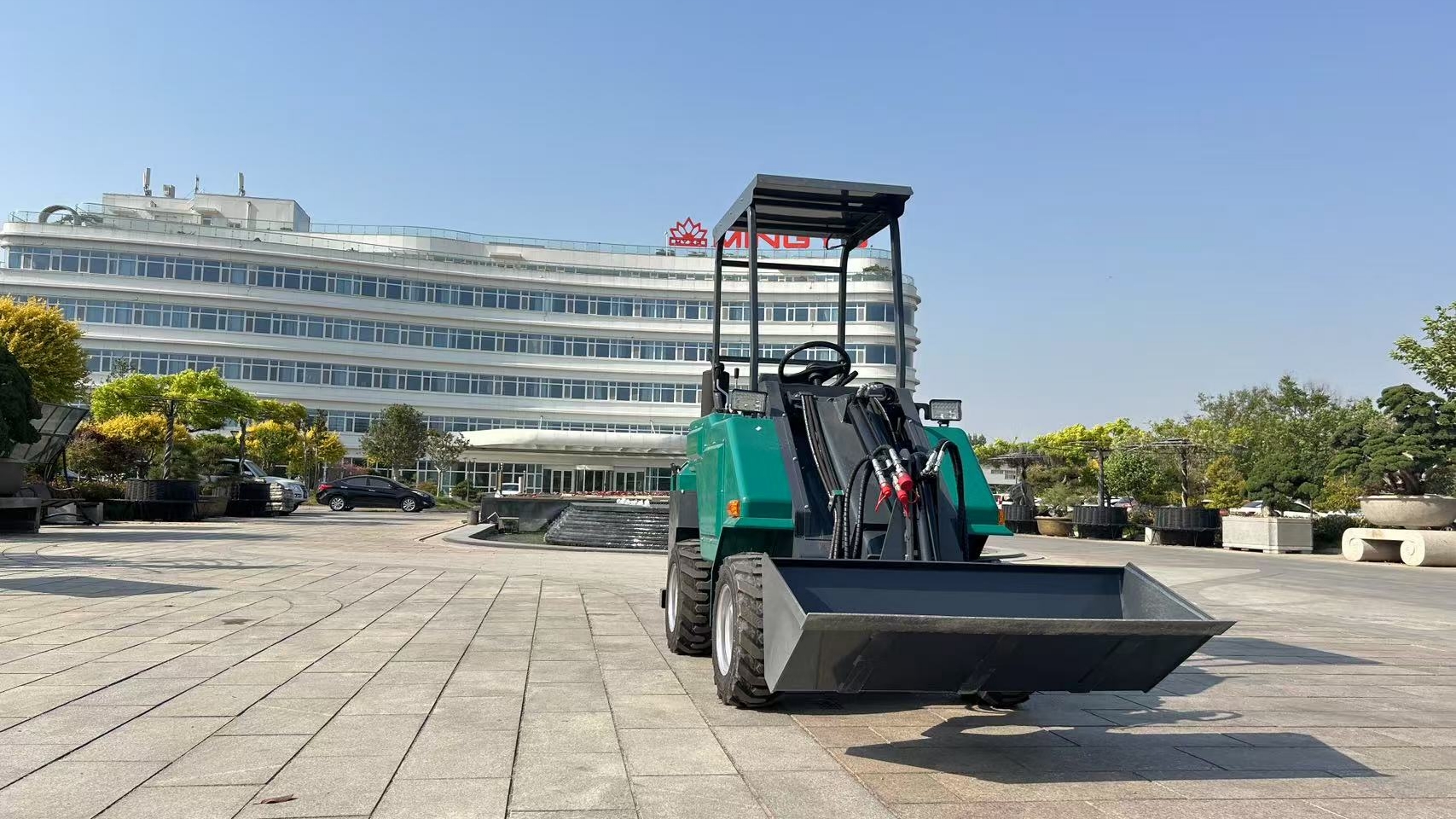
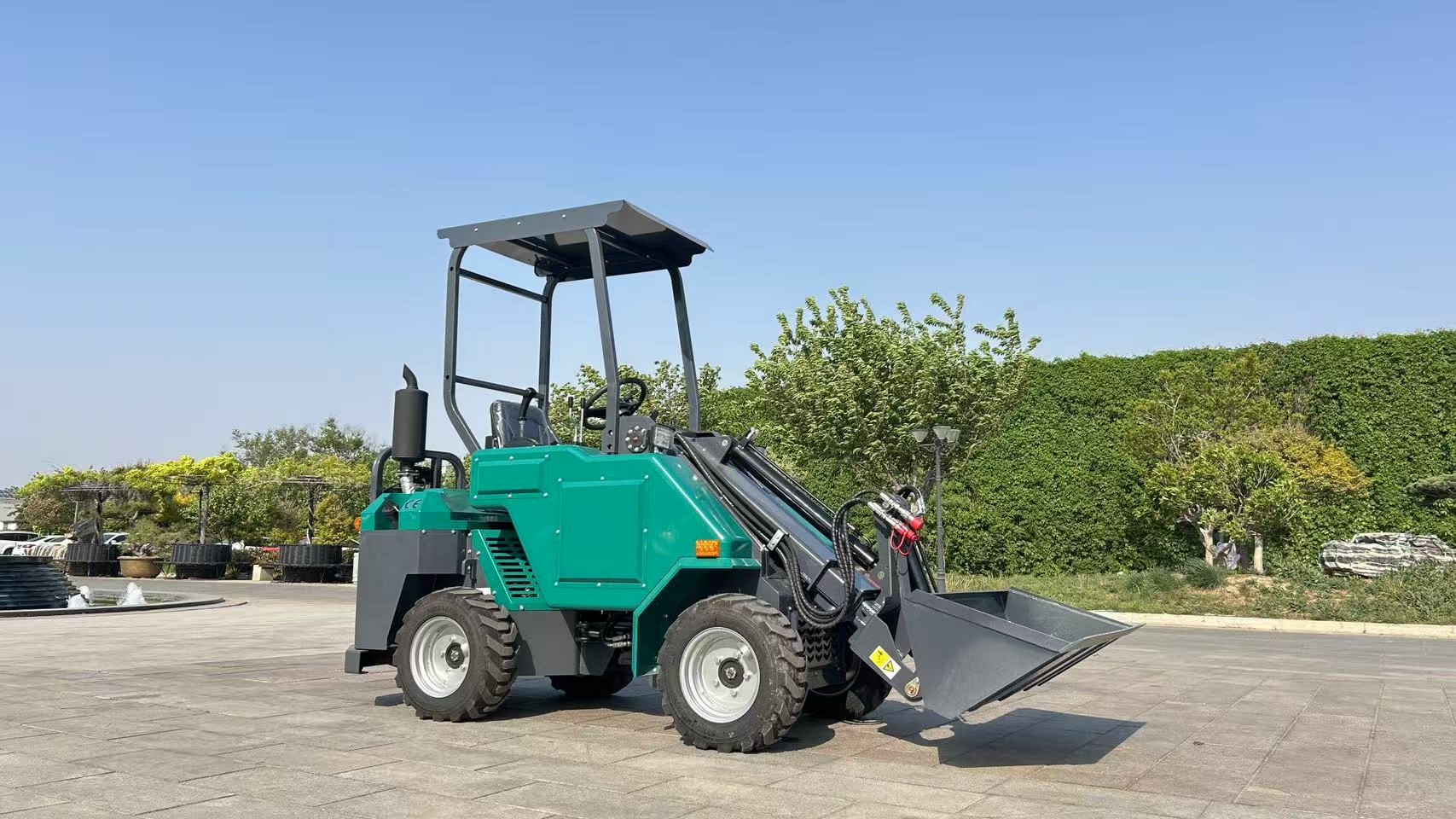
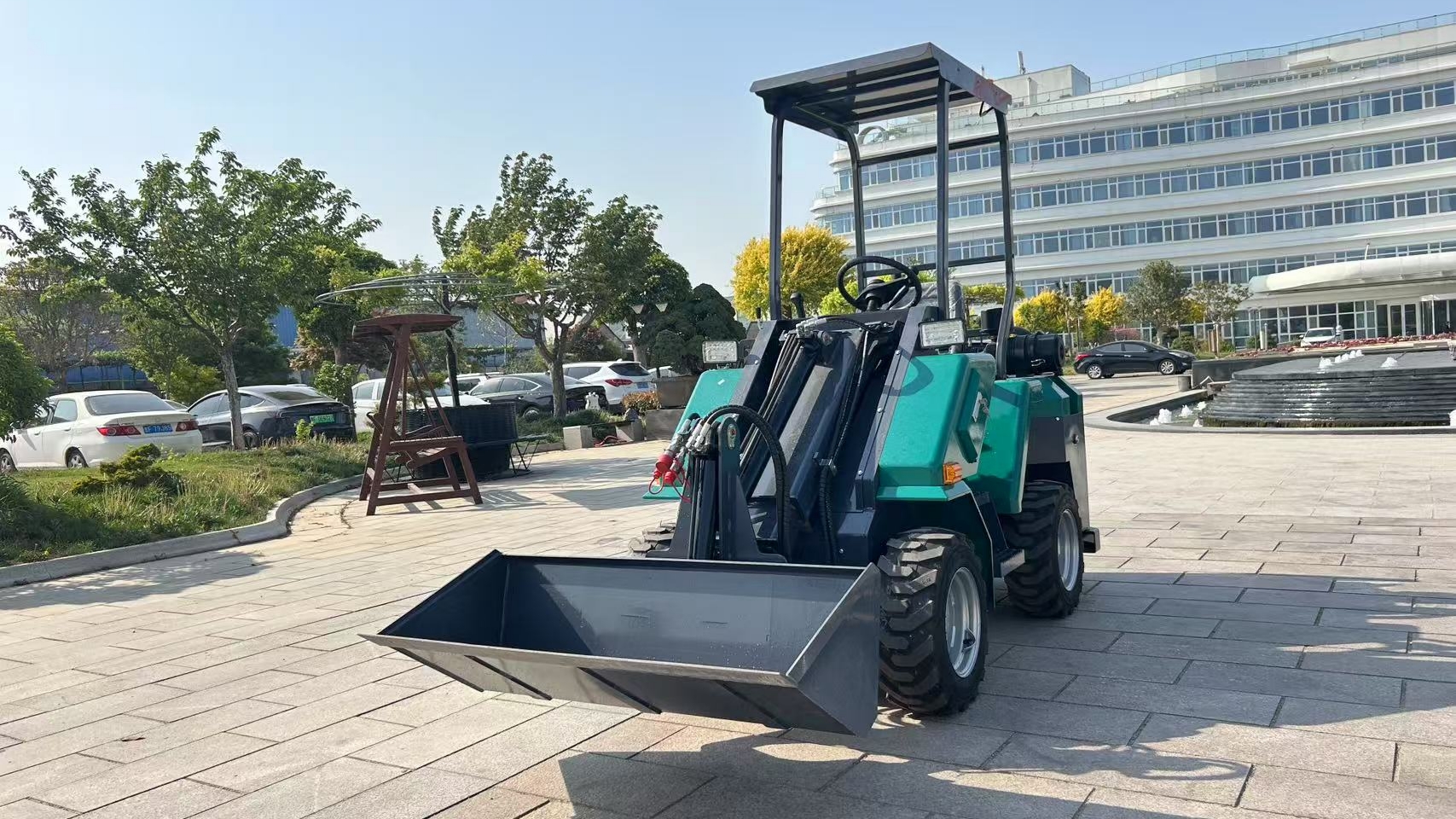
A European style articulated loader is a compact or mid-sized wheel loader that uses an articulated steering joint to improve maneuverability. Instead of steering with front wheels only, the machine bends at the center pivot point, allowing tighter turning angles and smoother movement in restricted spaces.
Key features include:
Compact dimensions for indoor and urban applications
Excellent visibility for operators
Quick attachment systems
Low fuel consumption
Comfortable cabins with ergonomic controls
Strong lifting performance despite smaller size
Many models can use attachments such as buckets, pallet forks, sweepers, grapples, snow blowers, and augers, making them highly versatile.
2.2 Differences Between European and Conventional Wheel Loaders
Traditional wheel loaders are usually larger and designed for heavy-duty earthmoving. European articulated loaders focus more on versatility and efficiency.
Major differences include:
|
Feature |
European Articulated Loader |
Conventional Wheel Loader |
|
Size |
Compact |
Large |
|
Turning Radius |
Very small |
Larger |
|
Fuel Consumption |
Lower |
Higher |
|
Attachment Versatility |
High |
Moderate |
|
Best Applications |
Farms, landscaping, municipalities |
Mining, quarrying |
European loaders are ideal for areas where space is limited and flexibility is important.
2.3 Popular European Loader Brands
Several manufacturers dominate the articulated loader market:
Volvo Construction Equipment
Kramer
Weidemann
Schäffer
Avant Tecno
JCB
These brands are known for reliability, operator comfort, and advanced hydraulic systems.
3. Why Low-Hour Used Loaders Are in High Demand
3.1 Better Value for Money
New articulated loaders can be expensive. A low-hour used machine often costs 30% to 50% less than a new one while still delivering excellent performance. This allows businesses to reduce capital investment while maintaining productivity.
3.2 Longer Remaining Service Life
A loader with low operating hours typically has less wear on major components such as the engine, hydraulic pump, transmission, and articulation joint. If properly maintained, these machines can continue operating reliably for many years.
3.3 Faster Return on Investment
Lower purchase costs improve profitability. Contractors and rental companies can recover their investment more quickly compared with purchasing new equipment.
3.4 Easier Availability
During periods of supply chain disruption, new machine delivery times may stretch for months. Used low-hour loaders are often immediately available, allowing businesses to begin work faster.
4. Best Places to Buy Used European Style Articulated Loaders
4.1 Authorized Dealers
Authorized dealers are one of the safest purchasing options. Many dealers accept trade-ins and resell inspected used equipment.
Benefits include:
Professional inspections
Warranty options
Financing support
Access to spare parts
Maintenance records
Although dealer prices may be higher, buyers often receive greater peace of mind.
4.2 Online Equipment Marketplaces
Online marketplaces provide access to global inventories and competitive pricing.
Popular platforms include:
MachineryTrader
Mascus
Ritchie Bros.
IronPlanet
eBay
Advantages include:
Wide machine selection
International sellers
Easier price comparison
Convenient communication with dealers
However, buyers should always verify machine condition before making payment.
4.3 Equipment Auctions
Auctions can provide excellent deals on used articulated loaders. Many machines come from construction companies, rental fleets, or municipal organizations.
Types of auctions include:
Public auctions
Online auctions
Fleet liquidation sales
Government surplus auctions
The main risk is limited inspection time and the possibility of buying equipment “as-is.”
4.4 Rental Fleet Sales
Rental companies regularly replace equipment fleets and sell well-maintained machines.
Advantages include:
Consistent servicing schedules
Documented maintenance history
Relatively newer equipment
Lower operating hours in some cases
Rental machines may show cosmetic wear but often remain mechanically sound.
4.5 Importing Directly From Europe
Importing directly from Europe can offer access to higher-quality machines and better maintenance standards.
Popular export countries include:
Germany
Netherlands
Belgium
Sweden
Before importing, buyers should consider:
Shipping costs
Customs regulations
Emission compliance
Spare parts support
Local service availability
5. How to Identify a Genuine Low-Hour Loader
5.1 Check the Hour Meter
Hour meter fraud exists in the used equipment industry. Buyers should compare operating hours with the overall machine condition.
Warning signs include:
Excessively worn pedals
Damaged seats
Loose steering systems
Heavy bucket wear despite low hours
5.2 Review Service Records
Maintenance records provide valuable information about how the machine was treated.
Look for:
Regular oil changes
Hydraulic servicing
Filter replacements
Scheduled inspections
Machines with complete service histories are usually safer investments.
5.3 Inspect Wear Components
Pay close attention to:
Bucket pins and bushings
Tires
Hydraulic cylinders
Articulation joints
Axle condition
Uneven wear may indicate poor maintenance or abusive operation.
5.4 Verify Serial Numbers
Always confirm the machine’s serial number with the manufacturer or dealer to ensure authenticity and avoid stolen equipment.
6. Important Inspection Points Before Buying
6.1 Engine and Transmission
Start the engine cold if possible. Observe:
Smoke color
Idle stability
Unusual noises
Oil leaks
Transmission shifting smoothness
Blue or white smoke may indicate engine problems.
6.2 Hydraulic System
Hydraulic performance is critical for articulated loaders.
Inspect for:
Cylinder leaks
Weak lifting power
Hydraulic pump noise
Hose damage
Slow attachment response
Repairs to hydraulic systems can be expensive.
6.3 Articulation Joint Condition
The articulation joint is one of the most important structural areas.
Check for:
Excessive movement
Cracks
Poor lubrication
Uneven tire wear
Neglect in this area may lead to costly repairs.
6.4 Tires and Axles
Tires represent a significant replacement cost.
Inspect for:
Uneven tread wear
Sidewall damage
Axle leakage
Brake performance
6.5 Cabin and Electronics
Modern articulated loaders contain advanced electronics.
Test:
Dashboard functions
Lighting systems
Air conditioning
Cameras and sensors
Safety alarms
7. Average Prices of Used European Articulated Loaders
7.1 Factors Affecting Price
Prices vary depending on:
Brand reputation
Machine age
Operating hours
Attachments included
Overall condition
Country of origin
Premium brands generally maintain higher resale values.
7.2 Typical Price Ranges
Approximate price ranges include:
|
Loader Type |
Price Range |
|
Compact loader |
$15,000 – $35,000 |
|
Mid-size articulated loader |
$35,000 – $70,000 |
|
Premium low-hour models |
$70,000 – $120,000+ |
Prices may fluctuate depending on regional demand.
7.3 Hidden Costs
Buyers should also budget for:
Transportation
Import duties
Repairs
Spare parts
Insurance
Operator training
Ignoring these costs can reduce profitability.
8. Tips for Negotiating the Best Deal
8.1 Research Market Prices
Study multiple listings to understand realistic pricing. Comparing several machines prevents overpaying.
8.2 Request Photos and Videos
Ask sellers for:
Cold start videos
Walkaround videos
Hydraulic operation demonstrations
Undercarriage photos
This helps identify problems before traveling.
8.3 Arrange Third-Party Inspections
Independent inspection services can uncover hidden defects and provide professional evaluations.
8.4 Negotiate Based on Repairs Needed
Use visible defects as leverage during negotiations.
Examples include:
Worn tires
Hydraulic leaks
Cosmetic damage
Weak batteries
8.5 Confirm Documentation
Ensure all paperwork is complete:
Bill of sale
Ownership documents
Export paperwork
Maintenance records
9. Common Mistakes to Avoid When Buying Used Loaders
9.1 Choosing the Cheapest Machine
Low prices may hide serious mechanical problems.
9.2 Ignoring Maintenance History
A well-maintained high-hour machine may outperform a poorly maintained low-hour loader.
9.3 Forgetting Spare Parts Availability
Always verify local parts supply before buying uncommon brands.
9.4 Skipping a Test Drive
Operating the loader personally helps identify steering, hydraulic, or transmission issues.
9.5 Overlooking Import Regulations
Imported equipment may require modifications to meet local emissions or safety standards.
10. Future Trends in the Used Articulated Loader Market
10.1 Growing Demand for Compact Equipment
Urban construction and landscaping projects continue increasing demand for compact articulated loaders.
10.2 Expansion of Electric Loaders
Manufacturers are developing electric models with lower emissions and quieter operation.
Examples include electric equipment from:
Volvo Construction Equipment
Avant Tecno
10.3 Increased Online Trading
Digital marketplaces are simplifying international equipment purchases and inspections.
10.4 Greater Use of Telematics
Modern loaders increasingly include telematics systems that record:
Operating hours
Fuel usage
Service intervals
Machine location
This improves transparency in the used equipment market.
11. Conclusion
Buying a used European style articulated loader with low hours can be an excellent investment for contractors, farmers, municipalities, and rental companies seeking reliable equipment at a lower cost. With proper research and inspection, buyers can obtain high-performance machines that deliver years of dependable service without paying the premium price of new equipment.
The best purchasing sources include authorized dealers, online marketplaces, auctions, rental fleet sales, and direct imports from Europe. Each option has advantages and risks, so buyers should carefully compare machine condition, maintenance history, and seller reputation before making a decision.
Inspecting critical components such as the engine, hydraulic system, articulation joint, and tires is essential for avoiding costly surprises. Verifying service records and serial numbers can also help ensure the machine truly has low operating hours.
As demand for compact and versatile equipment continues growing worldwide, European articulated loaders are expected to remain highly valuable in the used equipment market. Buyers who take the time to research properly and negotiate carefully can secure reliable machines that provide excellent productivity and long-term return on investment.
Post time:May.25.2026
