
The fundamental question of required aisle width for operating a pallet stacker is far more nuanced than a single measurement; it is the cornerstone of efficient, safe, and compliant warehouse or facility design. At its core, the aisle width must accommodate the combined width of the pallet stacker itself, the load it carries, and the necessary operational clearances for maneuvering, turning, and safe pedestrian passage. For a standard walk-behind (walkie) pallet stacker handling a 48” x 40” pallet, a common baseline recommendation is a minimum aisle width of 6 to 7 feet. However, this is merely a starting point, as the specific model of the stacker—with its mast width and fork dimension—and the exact size of the palletized load, including any potential overhang, create the essential "footprint" that the aisle must contain. This footprint is not static during operation; it expands during turning maneuvers, when the stacker arcs into the aisle to enter or depart a rack bay. Furthermore, regulatory bodies like OSHA (Occupational Safety and Health Administration) in the United States do not prescribe a universal, fixed aisle width but instead mandate general requirements for safe clearances. OSHA standards emphasize that aisles and passageways must be kept clear, in good repair, and marked where necessary for safety, with sufficient clearance to allow equipment to operate safely without endangering personnel or stored material. Thus, the initial calculation moves from a simple static measurement to a dynamic one that must account for the equipment’s turning radius, the necessity for operators to make minor adjustments without striking racking, and an unwavering margin for error to prevent costly accidents and product damage.
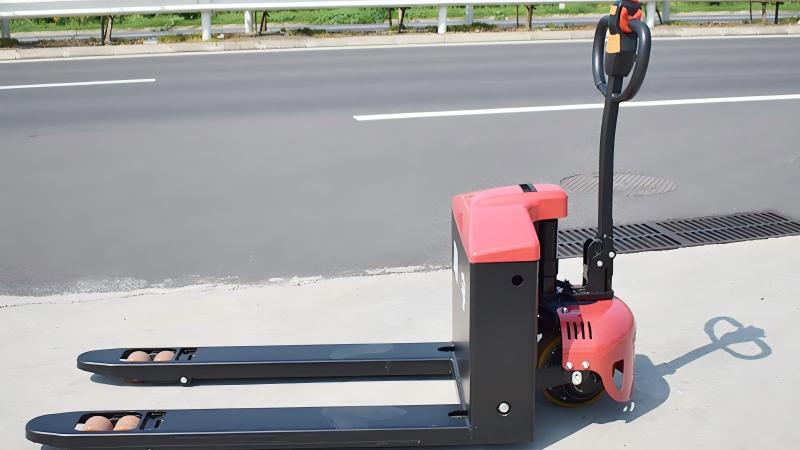
Delving deeper into equipment specifics reveals significant variance. Pallet stackers are not monolithic; they come in different configurations, each imposing distinct spatial demands. A standard walkie stacker with a simplex mast might require the 6-7 foot aisle, while a model with a telescopic or triplex mast for higher lifting may have a wider mast assembly, necessitating additional inches of clearance, especially when the mast is elevated and may have a slight forward tilt. More impactful are the specialized "narrow-aisle" stackers, which are specifically engineered to operate in dramatically tighter spaces. These models often feature a single front wheel that can rotate 90 degrees, allowing the machine to travel in one direction and then turn its forks to side-load into a rack without the need for the machine body itself to turn perpendicular to the aisle. This innovative design can reduce required aisle widths to as little as 5 to 6 feet, or even less in some very narrow aisle (VNA) applications with guided systems. The trade-off, however, often involves a higher level of operator skill for precise control and potentially a lower travel speed when maneuvering in such confined quarters. Therefore, selecting the equipment before finalizing aisle dimensions—or conversely, choosing equipment that fits existing aisles—is a critical sequential step. The aisle width is fundamentally a function of the machine's operational envelope, which must be obtained from the manufacturer’s specifications, focusing on the "outside turning radius" or "aisle width requirement" for specific load sizes. This data-driven approach supersedes any rule of thumb.
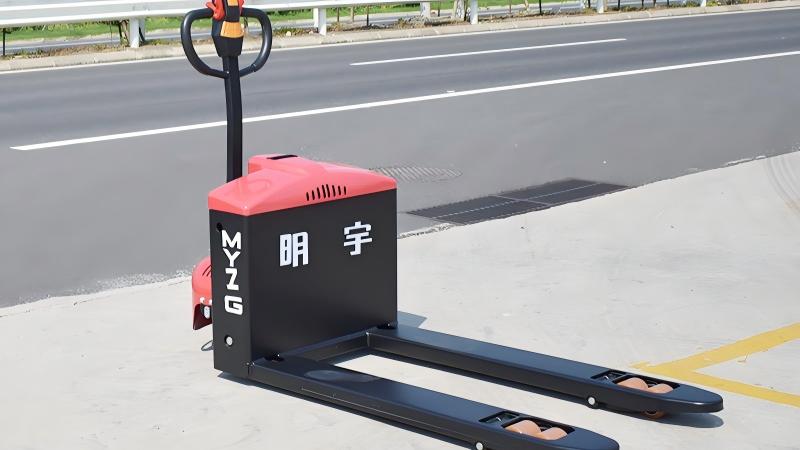
Beyond the machine and load, human factors and workflow integration are paramount in determining the final, practical aisle width. Even if a stacker can physically fit down an aisle with mere inches to spare on either side, such a scenario is operationally hazardous and inefficient. Psychological and physical comfort for the operator is essential; cramped aisles increase stress, reduce visibility, and heighten the risk of repetitive strain from constant micro-adjustments. Furthermore, the aisle must serve as a functional artery for the entire workflow. Does the aisle need to accommodate two-way traffic for stackers? If so, the width must effectively double to allow safe passing, which is a strong argument for designated one-way aisles in layout planning. Is there significant pedestrian traffic crossing or working alongside these aisles? In such cases, the aisle width must expand to include a defined pedestrian walkway or, at a minimum, a safety buffer zone as part of a comprehensive traffic management plan. The type of storage system also interacts with aisle width. Standard selective pallet racking requires the widest aisles for the stacker to turn into the bay. Drive-in or push-back racking systems, where the stacker enters the rack structure itself, may have different entry aisle requirements but also introduce their own set of spatial dynamics. The goal is to create a layout that balances storage density—which pushes for narrower aisles—with operational throughput, safety, and flexibility—which often benefit from more generous dimensions.
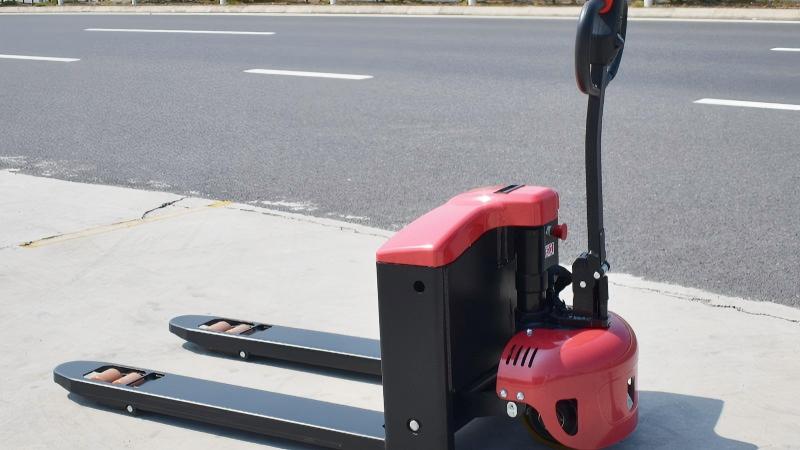
Ultimately, determining the required aisle width is an exercise in optimization, balancing the competing priorities of safety, efficiency, storage density, and cost. A best-practice approach involves a multi-step process: first, define the most common pallet and load dimensions used in the facility. Second, select the intended pallet stacker model and obtain its precise technical specifications for aisle width requirements with that load size. Third, add a safety and operational clearance buffer, typically 6 to 12 inches on either side, to this minimum technical width to account for human operation, minor rack misalignment, and general safety. Fourth, validate this calculation against any applicable local safety regulations or insurance requirements, which may stipulate minimum clearances. Fifth, and crucially, test the proposed width. If possible, using tape on the floor to mock up the aisle and performing trial runs with the actual equipment and loads can reveal unforeseen issues before steel racking is installed. Investing in a slightly wider aisle during the planning phase often yields dividends in faster, safer operation, reduced product and rack damage, and greater long-term layout flexibility, whereas squeezing aisles to the absolute minimum can lead to bottlenecks, accidents, and costly retrofits later. The required width is therefore not just a space to fit a machine, but a carefully designed zone that enables safe, smooth, and productive material flow.
Post time:Jan.21.2026
