
When evaluating backhoe attachments for tractors, the mounting system represents the most fundamental and consequential differentiator between models. A subframe-mounted backhoe utilizes a dedicated, heavy-duty steel framework that is bolted directly to the tractor's main chassis or frame, often extending to connect with the front axle or engine block. This creates a unified, rigid structure that integrates the backhoe into the tractor's core skeleton. The subframe acts as a load-distributing bridge, channeling the immense stresses generated during digging—which can produce several tons of leverage force—directly into the tractor's strongest load-bearing points. In stark contrast, a three-point mounted backhoe attaches solely to the tractor's standard three-point hitch linkage, the same category-based hitch used for implements like plows and mowers, alongside the tractor's hydraulic system. This method relies on the hitch arms and the tractor's rear axle housing to bear all operational forces. While the three-point system offers simplicity and quick attachment, it was fundamentally designed for lifting and pulling implements, not for absorbing the intense, multi-directional shock loads and twisting moments inherent to backhoe operation. This foundational distinction in engineering philosophy and force management sets the stage for vastly different performance profiles, durability expectations, and overall suitability for specific tasks, making the choice between the two systems a critical decision for any equipment owner.
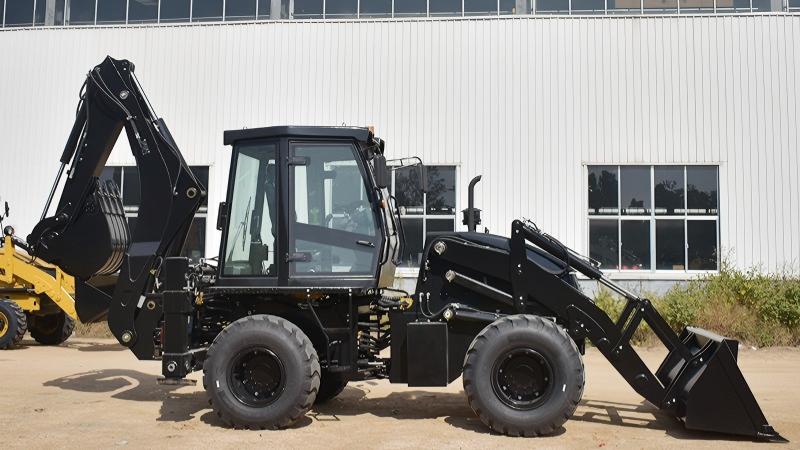
The performance implications stemming from these mounting methods are profound and immediately apparent to operators. A subframe-mounted backhoe delivers superior stability and minimal flex during operation, functioning as a single, cohesive machine. This rigidity allows for more precise control of the bucket, enables deeper and more powerful digging cycles—often reaching depths of 12 to 16 feet on larger utility tractors—and provides the confidence to tackle compacted or rocky soils. The tractor's rear axle is largely isolated from damaging stress, as forces are transmitted forward through the engineered subframe. Conversely, a three-point mounted backhoe, while functional for lighter duties, exhibits inherent limitations in stability. Operators commonly experience noticeable "chatter," rocking on the hitch pins, and flex between the tractor and the attachment. This not only reduces precision but also imposes significant shock loads and bending stress directly onto the tractor's rear axle housing and hitch mounting points, components not designed for such abuse. The practical digging depth and power of three-point models are consequently more limited, typically maxing out around 9 to 12 feet. For frequent, heavy digging, the stability and force management of a subframe system are not merely performance enhancements but essential safeguards for both operational efficiency and the long-term mechanical health of the tractor itself.
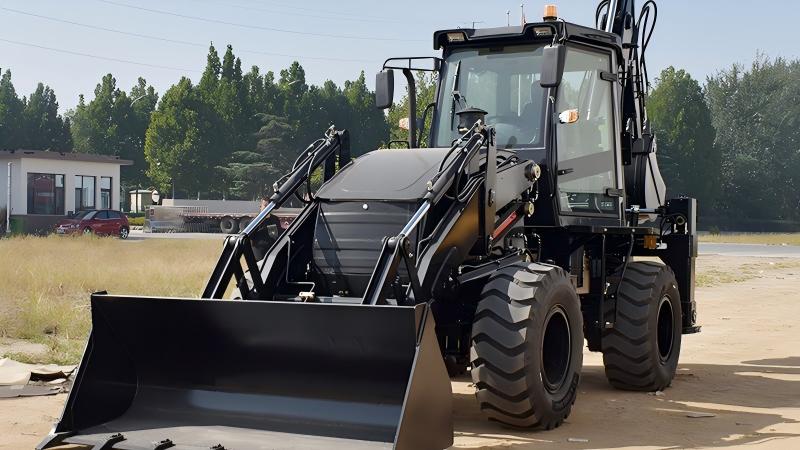
From a practical ownership perspective, the two systems present a clear trade-off between initial convenience and long-term capability. The three-point mounted backhoe excels in versatility and ease of use. Its primary advantage is universal compatibility; it can be attached to virtually any tractor with a matching hitch category and sufficient hydraulic flow, making it a true "plug-and-play" attachment that can be installed or removed by one person in under an hour. This makes it an attractive, lower-cost option for hobby farmers, landowners, or small operators who require a backhoe for occasional, light-to-medium tasks like digging post holes, small trenches, or landscaping projects. The subframe-mounted backhoe, however, involves a more complex and model-specific installation process, often requiring partial disassembly of the tractor and professional assistance or significant mechanical aptitude. The subframe kit is meticulously designed for a specific tractor make and model, ensuring a perfect fit but adding to the cost and eliminating cross-model compatibility. Consequently, a subframe system represents a substantially higher initial investment—often double or triple the price of a three-point model—and a commitment to keeping the backhoe paired with that specific tractor.
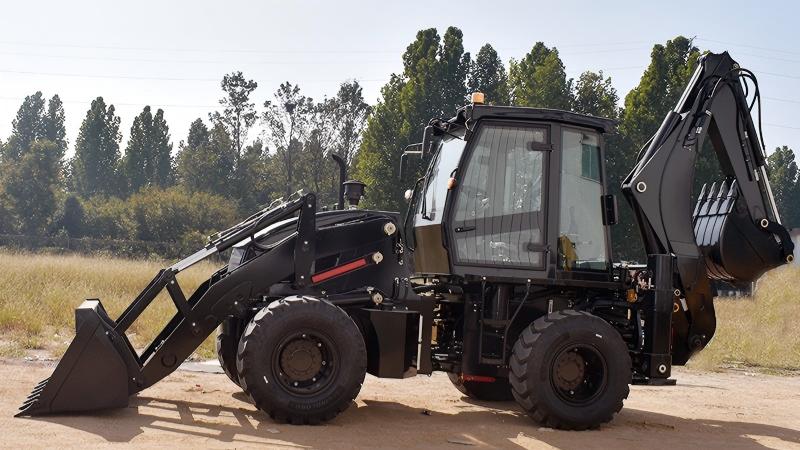
Ultimately, selecting the appropriate backhoe mounting system is a decision of matching the tool to the task and frequency of use with clear long-term consequences. The three-point mounted backhoe serves as a capable and economical tool for the occasional user whose projects are intermittent and not excessively demanding. For these applications, its limitations are less likely to be reached, and its convenience and lower upfront cost are decisive benefits. However, for any form of commercial use, frequent operation, or serious excavation work involving tough materials, the subframe-mounted backhoe is the unequivocal professional choice. It prioritizes machine longevity, operator safety, and maximum productivity under duress. The higher initial cost is an investment that protects the much larger investment in the tractor by preventing costly damage to the rear axle and transmission. Therefore, the choice is not about which system is objectively better, but which is correctly engineered for the intended workload: the three-point for versatility and light occasional duty, and the subframe for durability, power, and heavy, sustained performance.
Post time:Jan.21.2026
