
What is the fuel consumption of a wheel loader? This is a critical question for fleet managers, project estimators, and equipment owners, as fuel represents one of the largest and most volatile ongoing costs in heavy equipment operation. However, providing a single, universal number is impossible because wheel loader fuel consumption varies dramatically. The rate is influenced by a complex interplay of machine size (bucket capacity and horsepower), specific application and duty cycle, operator skill, environmental conditions, and machine technology. Consumption is typically measured in gallons or liters per hour (GPH or L/h), as this metric directly correlates to machine runtime and is essential for forecasting job site costs. A small compact wheel loader might consume 2-4 gallons (7.5-15 liters) per hour under moderate load, while a massive mining-class loader with a 10+ cubic yard bucket can easily burn through 20-30 gallons (75-114 liters) per hour or more during peak loading activity. Understanding this range and the factors behind it is the first step in effective cost management and operational planning.
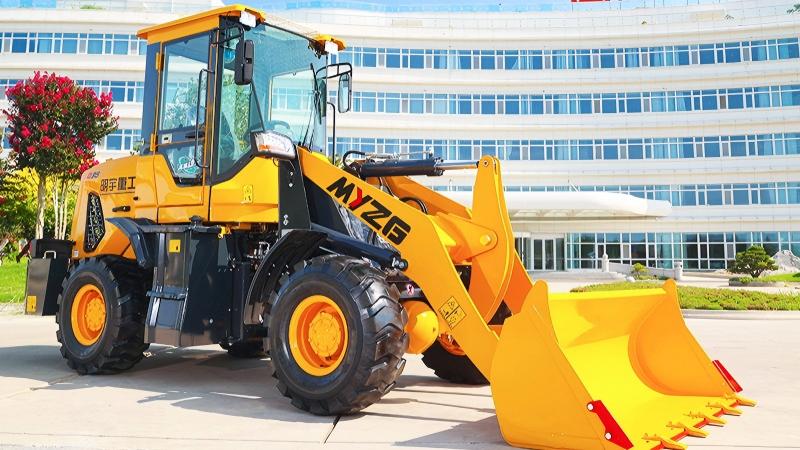
The primary determinants of fuel consumption are the machine's specifications and its work cycle intensity. Larger machines with higher horsepower engines naturally consume more fuel, but efficiency is measured by work accomplished per gallon. A key metric is the load-and-carry cycle versus a short-cycle loading operation. In a short, aggressive cycle (like loading trucks from a stockpile), the loader is constantly accelerating, lifting, dumping, and reversing—actions that require high engine RPM and hydraulic power, leading to peak fuel burn. Conversely, a long load-and-carry cycle over several hundred feet involves less repetitive high-energy maneuvering but more time at travel speed, which can sometimes be more efficient if managed smoothly. The material density being handled is equally crucial. Loading heavy, dense material like rock or iron ore demands significantly more hydraulic effort and engine power than handling light mulch or wood chips. Furthermore, idle time is a silent fuel thief. An idling loader can still consume 25-40% of its full-operation fuel rate, contributing nothing to productivity. Modern loaders with automatic engine shutdown features help mitigate this waste, but site logistics and operator habits play a huge role.
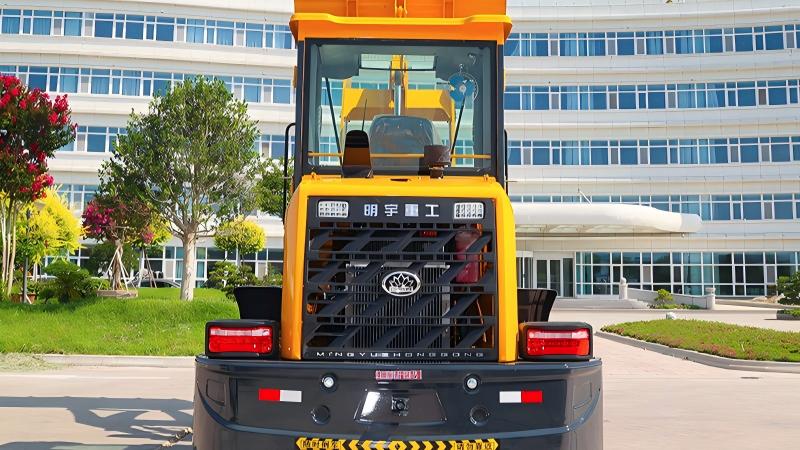
Beyond the basic physics of the work, human and technological factors have a profound impact. Operator technique is perhaps the most significant variable under management's control. An aggressive operator who "foot-to-the-floors" the pedals, over-revs the engine, and makes jerky movements will consume 15-30% more fuel than a smooth, skilled operator who plans cycles efficiently, uses partial throttle, and minimizes unnecessary maneuvering. Machine Technology and Settings are the other major levers. Newer Tier 4 Final or Stage V engines are inherently more fuel-efficient than older models and are equipped with advanced fuel management systems. Features like auto-idle, hydraulic demand sensing, and eco-mode settings optimize engine and hydraulic pump output to match the immediate work demand, avoiding wasted energy. Tire selection also matters; proper inflation and the correct tread for the surface reduce rolling resistance. Regular maintenance—clean air filters, optimal engine tune, and timely hydraulic system servicing—ensures the machine operates at its designed efficiency. A poorly maintained loader will always burn extra fuel to perform the same task.

To move from theory to practical cost control, operators must measure, benchmark, and manage. The first step is to establish a baseline using the machine's onboard fuel consumption display (common in modern units) or through careful manual tracking of fuel added versus hours operated. Compare this data to the manufacturer's specifications for your model under similar conditions, understanding that factory numbers are often derived from optimal scenarios. The goal is not just to know the GPH but to understand the fuel per unit of work—for example, fuel burned per 100 tons of material loaded. This shifts the focus from mere runtime to productivity-linked efficiency. Key management strategies include operator training focused on fuel-efficient techniques, job site planning to minimize travel distances and idle time (e.g., better positioning of trucks and stockpiles), and investing in technology upgrades like more efficient attachments or telematics systems that report real-time fuel use and idle percentages. Ultimately, asking "What is the fuel consumption?" is the starting point for a more important question: "How can we optimize our fuel efficiency?" By analyzing the factors within their control—operator behavior, maintenance, and site logistics—equipment owners can transform fuel consumption from a frustrating variable into a managed cost center, directly improving their bottom line.
Post time:Jan.20.2026
