
Wheel loader repair represents a complex but systematic discipline essential for maintaining the productivity and longevity of these critical construction and mining assets. Effective repair begins long before a major breakdown occurs, rooted in a comprehensive diagnostic approach that transforms symptoms into precise mechanical solutions. The initial phase involves meticulous information gathering, starting with the operator's detailed report of unusual noises, performance losses, hydraulic responsiveness issues, or warning indicators on the dashboard. Technicians then proceed with a physical inspection that goes beyond superficial observation, examining the machine for visible leaks, structural cracks, abnormal tire wear patterns, and the condition of critical wear components like bucket teeth and pivot pins. Modern wheel loaders are equipped with sophisticated onboard diagnostic systems that store fault codes, offering a crucial electronic history of the operational anomalies. Connecting to these systems with the manufacturer's software provides real-time data on engine parameters, hydraulic pressures, and transmission performance, creating a diagnostic roadmap. This integrated approach—combining human observation, mechanical inspection, and electronic analysis—ensures that repairs address root causes rather than superficial symptoms, preventing costly repeat failures and minimizing machine downtime in demanding operational environments.
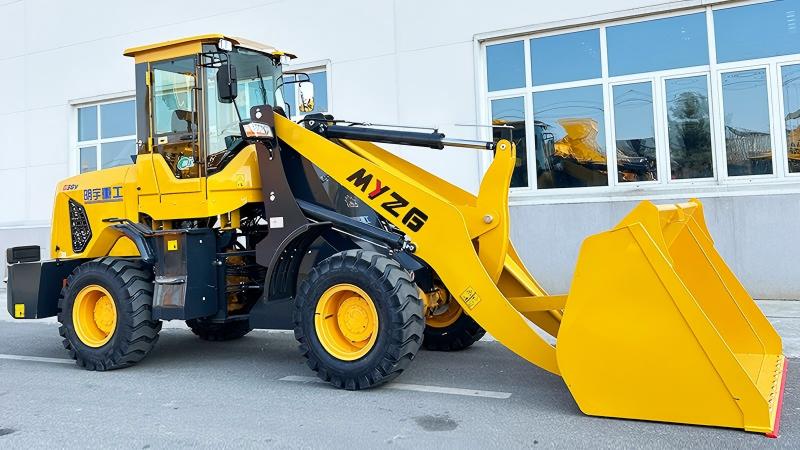
The hydraulic system constitutes the operational heart of a wheel loader, and its repair demands specialized knowledge of high-pressure fluid dynamics and precision components. Hydraulic failures typically manifest as slow or weak cylinder operation, excessive heat generation, or uncommanded actuator movement. Systematic troubleshooting starts with verifying hydraulic fluid quality and level; contaminated fluid is a leading cause of pump and valve failures. Pressure and flow tests using calibrated gauges are indispensable for comparing actual system performance against factory specifications, isolating whether problems originate from the main pump, control valves, or individual actuators. Common repairs include resealing or replacing hydraulic cylinders suffering from scored rods or damaged piston seals, swapping out contaminated or fatigued hydraulic hoses and fittings, and rebuilding or replacing pump and valve assemblies that have suffered internal wear. A critical but often overlooked aspect is the cooling system; an inadequate hydraulic oil cooler can lead to overheating, which degrades fluid and seals rapidly. Successful hydraulic repair extends beyond component replacement to include a rigorous flushing procedure to remove all contamination from the system before commissioning, ensuring the new components operate in a clean environment and preventing immediate recurrence of the failure.
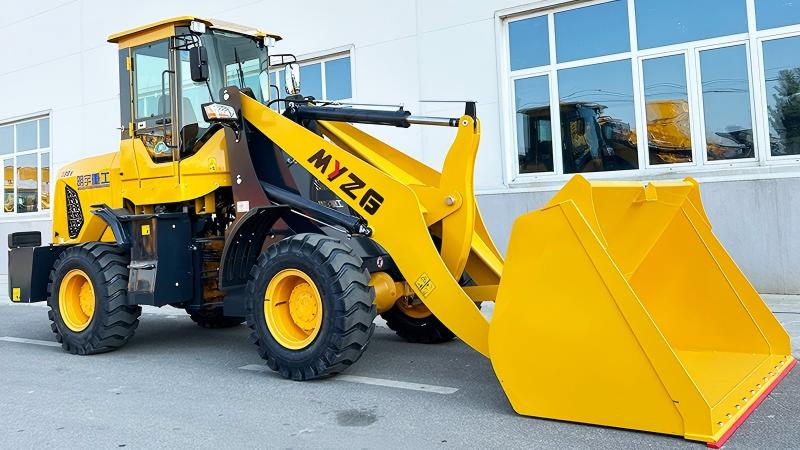
Electrical system and engine compartment repairs represent another sophisticated layer of wheel loader maintenance, where precision and adherence to technical specifications are non-negotiable. Modern loaders feature complex electrical architectures controlling everything from engine management and transmission shifting to advanced safety and operator assistance systems. Electrical troubleshooting requires systematic circuit testing, starting with power and ground integrity, and proceeding through sensor validation and actuator control. Technicians must be proficient with multimeters, oscilloscopes, and wiring diagrams to diagnose intermittent faults, communication network errors, or sensor failures that can cripple machine functionality. Within the engine bay, repairs range from addressing minor issues like replacing air filters, fuel filters, and addressing coolant leaks to major overhauls involving turbocharger replacement, fuel injector service, or in-frame engine rebuilds. A thorough repair protocol always includes verifying the engine's breathing (air intake and exhaust systems), fuel delivery precision, and cooling system efficiency. Special attention must be paid to the charging and starting systems, as a weak battery or failing alternator puts immense strain on the entire electrical network. Precision in torque specifications during reassembly, use of OEM-grade parts, and strict cleanliness standards during engine work are fundamental to restoring reliable power and performance.
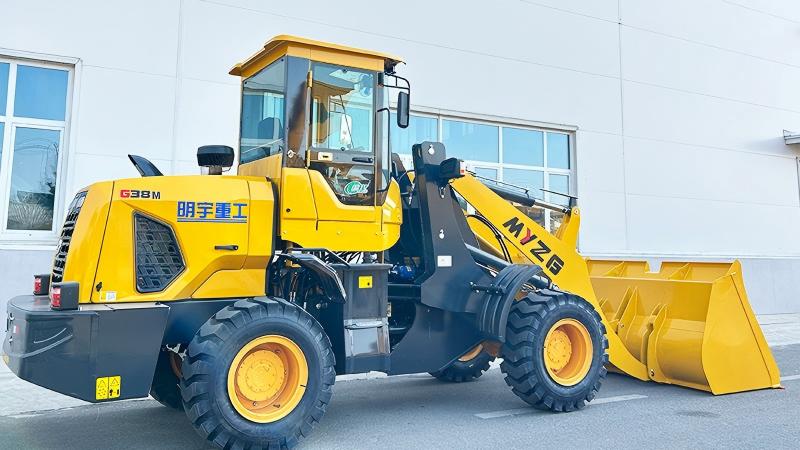
The final stage of comprehensive wheel loader repair focuses on the machine's major mechanical systems: the powertrain, structural components, and undercarriage. The transmission and axles endure tremendous stress, and their service often involves draining fluids to check for metal particulate, testing shift pressures and clutch engagement, and inspecting final drives for bearing wear or gear damage. Driveline repairs might include universal joint replacement, driveshaft balancing, or differential overhauls. Simultaneously, the loader's structural integrity requires inspection, particularly at high-stress points like the boom and loader arm pivot brackets, where cracks can develop and propagate if not addressed through professional welding and reinforcement. The articulation joint and steering cylinders are also critical for machine stability and control. Furthermore, the undercarriage—including wheel bearings, brake systems (often air-over-hydraulic), and the parking brake—must be serviced to ensure safety and functionality. After all repairs are completed, a rigorous testing and validation protocol is essential. This involves a controlled operational check, verifying all hydraulic functions through their full range, testing transmission shifts under load, confirming brake performance, and ensuring all electronic controls and displays function correctly. This final validation, combined with accurate documentation of all parts and labor, completes a professional repair cycle. It transforms a disabled machine back into a reliable asset, ensuring it meets its designed performance specifications and is ready to return to productive work with confidence.
Post time:Dec.31.2025
