
Off-road forklifts, also known as rough-terrain forklifts, are indispensable workhorses in construction, lumber yards, and agriculture, but their harsh operating environments demand a rigorous and proactive maintenance regimen. Unlike their indoor counterparts, these machines constantly battle mud, dust, moisture, uneven ground, and extreme temperature fluctuations, which can accelerate wear and lead to catastrophic failures if not properly managed. The cornerstone of preserving these powerful assets is a robust preventive maintenance program that goes beyond simple reactive repairs. This involves a multi-layered approach encompassing daily inspections, meticulous fluid management, and comprehensive component care. By adhering to a disciplined schedule, operators and fleet managers can significantly reduce costly downtime, enhance on-site safety, and extend the operational life of the equipment. Understanding the unique stresses placed on an off-road forklift is the first step in developing an effective maintenance strategy that ensures reliability when it matters most, turning a potentially vulnerable piece of machinery into a dependable pillar of productivity.
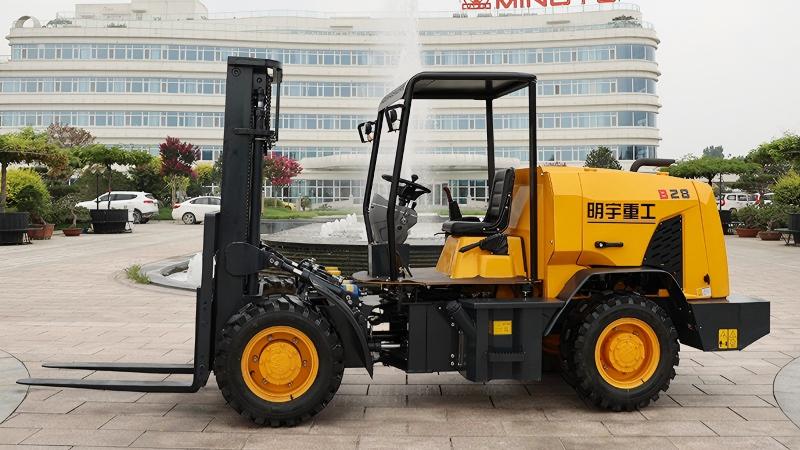
A comprehensive daily inspection and diligent fluid management form the first line of defense against the relentless wear and tear experienced by off-road forklifts. Before the engine even starts, a thorough walk-around inspection is non-negotiable. This includes checking tire pressure and condition for signs of cuts, embedded debris, or uneven wear, as proper inflation is critical for stability and traction on soft ground. Operators must also visually inspect the hydraulic system for any leaks, examine hoses for cracks or abrasions, and check the forks and mast for any signs of damage or misalignment. Once the initial visual check is complete, the focus shifts to fluids. Daily fluid checks are paramount; this means verifying engine oil, coolant, brake fluid, and hydraulic fluid levels, ensuring they are within the specified range and free from contamination. Given the dusty environments, paying close attention to the air filter is crucial; a clogged filter can lead to reduced engine power, increased fuel consumption, and severe internal damage. Regularly cleaning the pre-cleaner and replacing the filter element as needed will ensure optimal engine airflow and performance.
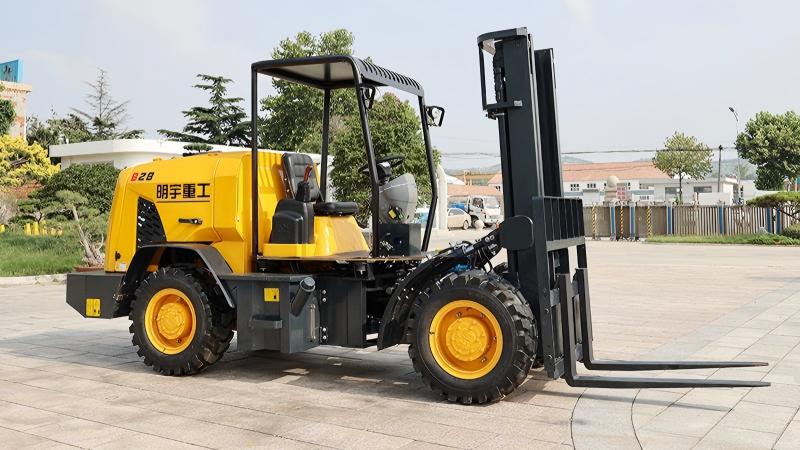
The mechanical systems of an off-road forklift require specialized attention to withstand the constant shocks and vibrations of rough terrain. The hydraulic system deserves particular focus; besides checking for leaks, it is vital to monitor the fluid's condition, as water or air contamination can lead to pump failure and erratic operation. Regularly changing the hydraulic fluid and filters according to the manufacturer's severe-service schedule is a key investment. Furthermore, the brake inspection process must be thorough, testing both the service and parking brakes for responsiveness and checking brake pads and drums for wear. Given the heavy loads and inclines these forklifts often navigate, reliable brakes are a non-negotiable safety requirement. Another critical aspect often overlooked is corrosion control. Mud and moisture are constant companions, leading to rust that can seize pins, corrode electrical connections, and weaken the chassis frame. A rigorous post-operation cleaning routine to remove caked-on mud, especially from the undercarriage and mast channels, is essential. Applying anti-corrosion sprays to exposed metal surfaces and electrical connectors can provide an additional layer of protection against the elements.
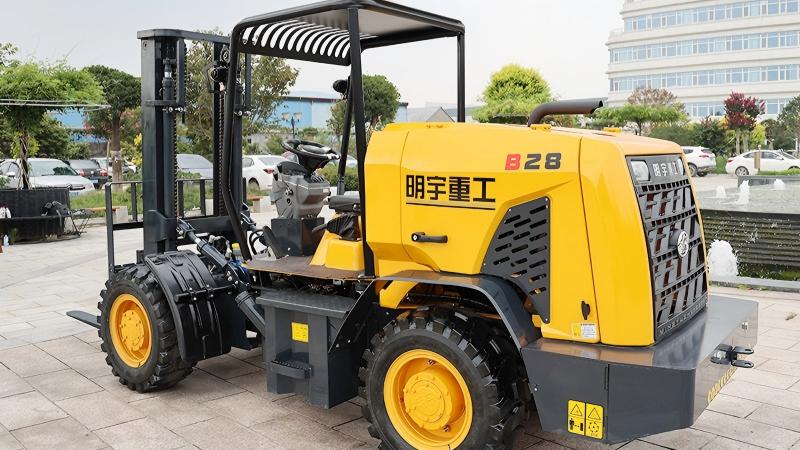
Long-term reliability and safety are ultimately secured by combining systematic component care with a focus on human factors. Battery maintenance for electric start models involves keeping terminals clean and tight, checking electrolyte levels (if applicable), and ensuring proper charging cycles to prevent sulfation. For diesel engines, regular fuel filter changes and periodic injection system checks are vital. However, the most sophisticated maintenance program is incomplete without comprehensive operator training. A skilled operator is the first and best diagnostic tool; they can detect unusual sounds, vibrations, or performance issues early on. Training should emphasize smooth operation to minimize mechanical stress, proper load handling to preserve the mast and chassis, and the importance of reporting any anomalies immediately. By creating a culture of accountability and care, where maintenance is seen as a shared responsibility between mechanics and operators, businesses can unlock the full potential of their off-road forklift fleet, ensuring not only peak performance and a long service life but also a safer working environment for everyone on site.
Post time:Nov.27.2025
