
LPG forklifts are renowned for their clean-burning properties and indoor operational capability, but their engines are susceptible to a unique set of challenges that can impair performance and lead to costly downtime if not properly addressed. Unlike diesel or pure gasoline engines, LPG engines operate with a gaseous fuel that demands precise regulation and specific conditions for optimal combustion. The most pervasive issue plaguing these engines is carbon buildup, a silent killer that gradually robs the engine of its power and efficiency. This accumulation occurs when the liquefied petroleum gas does not burn completely within the combustion chambers. Over time, these unburned hydrocarbon deposits form a hard, crusty layer on vital components such as spark plugs, valves, and piston heads. This insulating layer can lead to pre-ignition, also known as "engine knocking," where the fuel-air mixture ignites prematurely due to hot spots. Furthermore, heavily carbon-fouled valves may fail to seal properly, a condition called "valve seat recession," which causes a significant loss of compression, reduced engine power, hard starting, and excessive fuel consumption. The root causes often trace back to an incorrect air-fuel mixture, a malfunctioning ignition system, or the use of poor-quality LPG that contains excessive contaminants or improper propane-to-butane ratios, all of which hinder complete combustion and accelerate deposit formation.
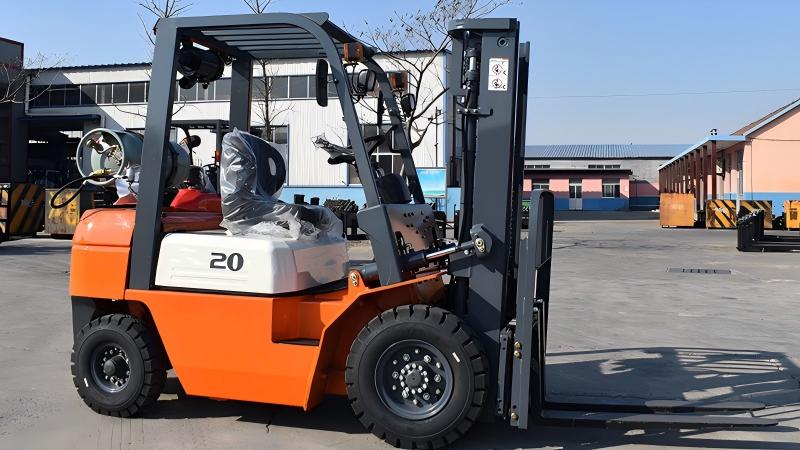
Another critical subsystem that is a frequent source of trouble is the vaporizer, also known as the converter-regulator. This component is the heart of the LPG system, responsible for the crucial phase change of the fuel from a liquid state under pressure in the tank to a gaseous state that the engine can burn. The vaporizer uses engine coolant flowing through it to provide the necessary heat for this vaporization process. Common vaporizer issues often stem from problems within this cooling circuit. A low coolant level, a stuck thermostat, or air pockets in the system can prevent the vaporizer from reaching its optimal operating temperature. When the vaporizer is cold, it fails to fully gasify the liquid LPG, sending a slug of liquid fuel into the intake manifold instead of a fine, combustible vapor. This can cause the engine to run extremely rough, stall at idle, or fail to start altogether. A telltale sign of a freezing or malfunctioning vaporizer is an unusually cold intake manifold, often accompanied by frost formation on the unit itself, even in a warm environment. Beyond coolant issues, the internal diaphragms and valves of the vaporizer can wear out or fail over time, leading to erratic fuel pressure regulation. This manifests as inconsistent engine performance, hesitation under load, and either an overly rich or lean mixture, which can trigger overheating and potentially damage the engine's internal components if left unchecked.
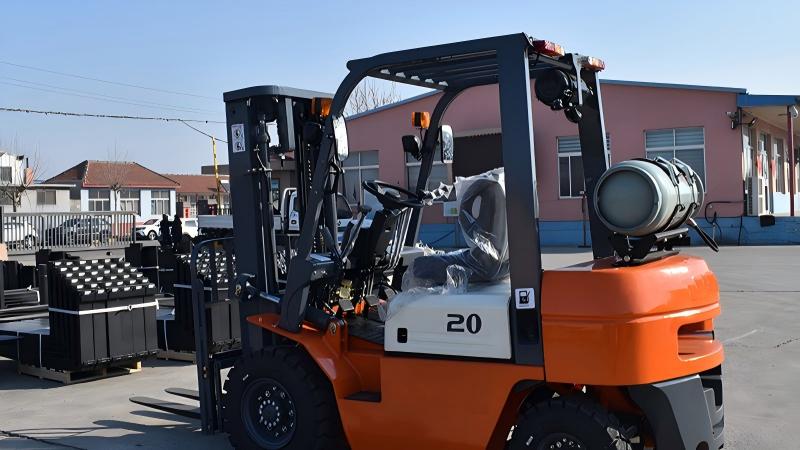
The ignition system in an LPG engine works under greater stress than in a gasoline engine due to the higher combustion temperature and the drier nature of the gaseous fuel, which provides less cooling for the spark plugs. Consequently, this system is a common failure point that directly causes a host of performance issues. Worn or fouled spark plugs are a primary culprit, leading to misfires, rough idling, and a noticeable lack of power. The ignition coils, which generate the high voltage needed for the spark, are also prone to failure, especially as they age and are subjected to the engine bay's high temperatures. A weak or intermittent spark from a failing coil will inevitably result in incomplete combustion, exacerbating the problem of carbon buildup and increasing unburned hydrocarbon emissions. Symptoms of a failing ignition system often overlap with fuel system problems, making diagnosis tricky. However, a common and alarming symptom directly linked to ignition timing is backfiring. Backfiring, which is a combustion event occurring in the intake manifold or the exhaust system, produces a loud "pop" or "bang" and can be dangerous. In LPG engines, this is frequently caused by a lean air-fuel mixture combined with a retarded ignition timing or a misfire. A lean mixture burns slower, and if the exhaust valve opens while the air-fuel charge is still burning, the flame can travel back into the exhaust system, igniting any unburned mixture there. Similarly, a misfire can leave unburned fuel in the exhaust, which can then be ignited by the hot exhaust manifold, causing a backfire.
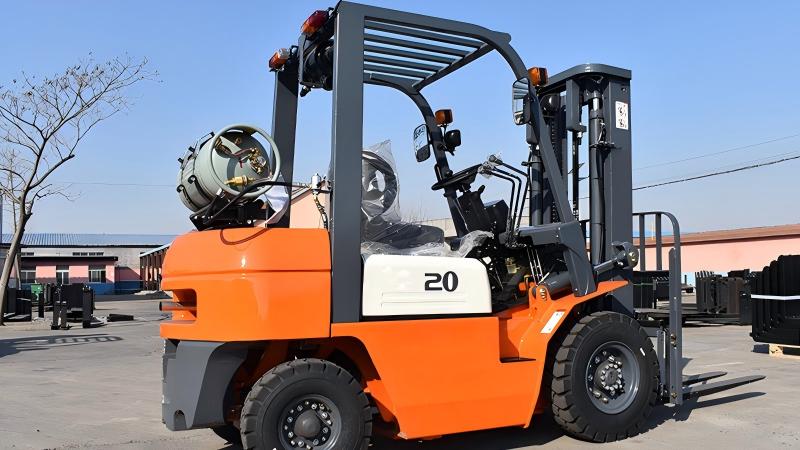
Ultimately, many of the common faults with LPG forklift engines are interconnected and can be traced back to two overarching themes: maintenance neglect and poor fuel quality. A reactive approach to maintenance, where issues are only addressed after a breakdown occurs, is a recipe for recurrent problems and spiraling repair costs. Adhering to a strict preventive maintenance schedule is non-negotiable. This includes regular replacement of spark plugs and ignition components specifically recommended for LPG use, frequent checks and replacement of air filters to ensure a clean and unrestricted airflow, and meticulous monitoring of the coolant system to guarantee the vaporizer receives adequate heat. Furthermore, the quality of LPG sourced is paramount. Impure or off-specification LPG can contain oils, sulfur, and other contaminants that rapidly foul the vaporizer, clog fuel filters, and accelerate carbon deposit formation. Investing in high-quality fuel from a reputable supplier is a critical investment in the engine's health. By combining disciplined maintenance with high-quality inputs, and by training operators to recognize early warning signs like power loss, rough idling, or unusual sounds, businesses can effectively mitigate the most common LPG engine issues. This proactive strategy ensures maximum uptime, extends the engine's operational lifespan, and provides a safer, more reliable working environment.
Post time:Nov.27.2025
