
In the dynamic world of warehouse logistics and material handling, pallet stackers stand as indispensable workhorses, bridging the gap between manual labor and full-scale forklift operations. At their core, pallet stackers are material handling equipment designed to lift, move, and stack palletized loads with efficiency and relative ease. They are the go-to solution for operations where maneuverability in tight aisles, operator fatigue reduction, and cost-effectiveness are paramount. The fundamental principle unifying all types is the use of forks to engage a pallet, coupled with a mast mechanism that provides vertical lift. However, beneath this simple description lies a diverse ecosystem of machines tailored to specific needs, budgets, and operational scales. The primary segmentation begins with the power source and mode of operation, leading to two broad families: manual (non-powered) and powered (electric) pallet stackers. Manual stackers rely entirely on human force for both horizontal movement and lifting, using hydraulic pumps actuated by a lever. Powered stackers, on the other hand, utilize electric batteries to drive the lifting function and, in many models, the travel and power steering as well. This basic distinction gives rise to various configurations, including walk-behind, stand-on, and sit-down rider models, each with unique advantages. Choosing the right type is a critical decision that impacts workflow speed, worker safety, and overall productivity, making it essential to understand the capabilities and limitations of each category.
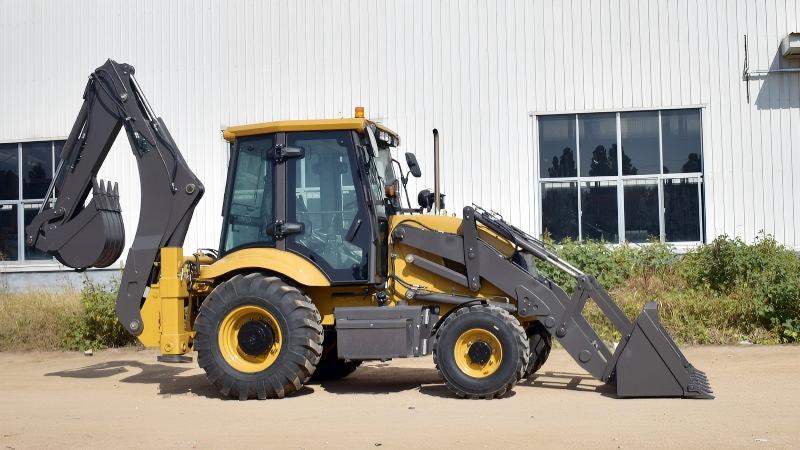
Delving into the realm of non-powered equipment, the manual pallet stacker represents the most economical and mechanically simple entry point. These units are essentially heavy-duty pallet trucks equipped with a manual hydraulic pump and a mast. The operator uses a handle to pump the hydraulic cylinder, raising the forks and load. Movement is achieved by physically pushing or pulling the stacker. Their primary advantage is zero operational cost for power, minimal maintenance, and independence from battery charging. They are perfectly suited for very low-frequency tasks, light-duty applications, or facilities with stringent budgets. Typical lifting capacities range from 1,000 to 2,500 kilograms, with lift heights usually limited to around 1.5 to 2 meters—sufficient for stacking loads one or two pallets high. A close cousin is the semi-electric pallet stacker, which adds a crucial layer of functionality. In this hybrid design, the lifting function is powered by an electric motor (activated by a button on the handle), eliminating the strenuous manual pumping. However, the machine is still moved by the operator walking behind it. This design dramatically reduces operator effort and increases lifting speed and consistency, making it a favorite for applications involving frequent stacking or slightly higher lifts. It offers an excellent balance between the affordability of manual models and the efficiency of fully powered ones, often serving as the workhorse in small to mid-sized warehouses, retail stockrooms, and loading docks.
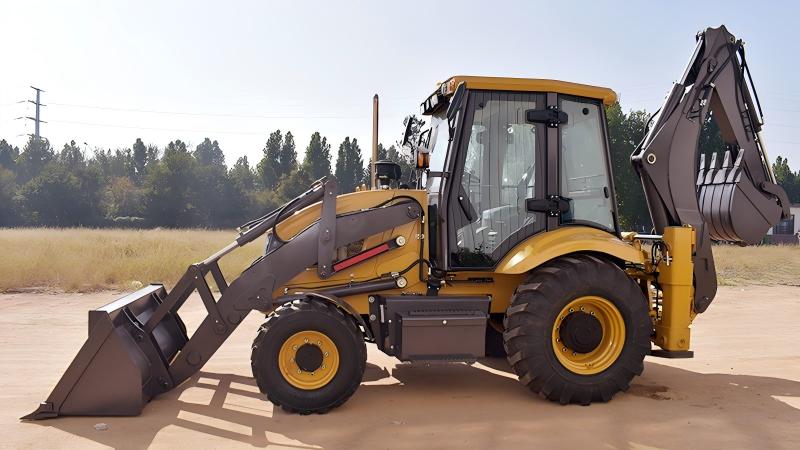
The category of powered pallet stackers introduces significant advancements in efficiency and ergonomics, primarily dominated by walkie stackers and rider stackers. Walkie stackers are electrically powered units where the operator walks behind the machine, controlling travel, lifting, and lowering via a multi-function control handle. The travel motor provides propulsion, requiring only a gentle push from the operator to move, even with heavy loads. This design is immensely beneficial for all-day operation, covering longer distances within a warehouse, and handling higher volumes. They often feature higher lift heights—up to 4 meters or more—and capacities similar to or greater than manual models. For even greater productivity and operator comfort, the rider pallet stacker is the next step. These models come with a platform for the operator to stand on, allowing them to ride along with the load. This drastically increases travel speed, reduces trip times, and minimizes physical fatigue, making them ideal for large distribution centers or facilities with extensive travel paths. Rider stackers can be configured as "stacker trucks" with a fixed or retractable mast or as "counterbalance stackers," which have a weight distribution design allowing them to handle heavier loads and even transport loads with the forks elevated, though they typically have a lower maximum lift height than a dedicated high-lift walkie stacker.
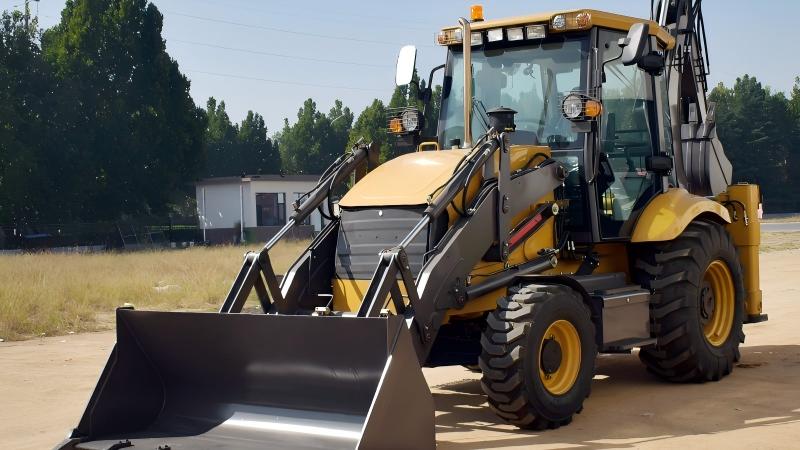
Beyond the basic walkie/rider dichotomy, specialized pallet stacker types cater to niche requirements. High-lift pallet stackers, often in a walkie configuration, are engineered specifically for reaching into deep storage shelving or racking. They feature tall, narrow masts and can lift loads to heights of 5 meters or more, functioning as a compact, cost-effective alternative to large forklifts in narrow-aisle applications. Double Pallet Stackers are designed with extended fork lengths to handle two standard pallets side-by-side, doubling throughput in loading/unloading scenarios. Furthermore, the distinction between pallet stackers and pallet trucks is vital; while both have forks, a standard pallet truck (or pump truck) is designed only for horizontal transport and cannot lift a load for stacking. The modern market also offers advanced features across all types, such as 24-volt electrical systems for longer shift operation, electronic power steering for effortless maneuvering, lithium-ion battery options, and sophisticated control systems with load-sensing and anti-rollback safety features. Ultimately, the selection hinges on a detailed analysis of your operational parameters: average load weight and dimensions, required stacking height, frequency of moves, total travel distance per shift, aisle width, and available budget. Investing time in this assessment ensures the chosen pallet stacker type becomes a true asset, enhancing workflow, safeguarding employees, and delivering a strong return on investment through reliable, efficient material movement.
Post time:Dec.17.2025
