
The question "What is the price of a skid steer?" is deceptively simple, much like asking the price of a house or a car. The answer spans a vast spectrum, from under $10,000 to over $100,000, making it crucial for potential buyers—whether contractors, farmers, or landscape business owners—to understand the variables at play. At its core, a skid steer loader is a versatile, compact powerhouse, renowned for its zero-radius turning capability and immense utility across industries. The final price tag is not merely for the machine itself but an amalgamation of its mechanical specifications, brand prestige, technological integration, and market timing. This analysis seeks to unpack these layers, beginning with the most apparent distinction: the new versus used equipment market. A brand-new skid steer from a leading manufacturer like Bobcat, Caterpillar, or John Deere represents a significant capital expenditure, often seen as a long-term investment for a thriving business. Conversely, the used market offers a gateway to ownership for smaller operations or those with budget constraints, though it comes with its own set of considerations regarding wear, maintenance history, and potential longevity.
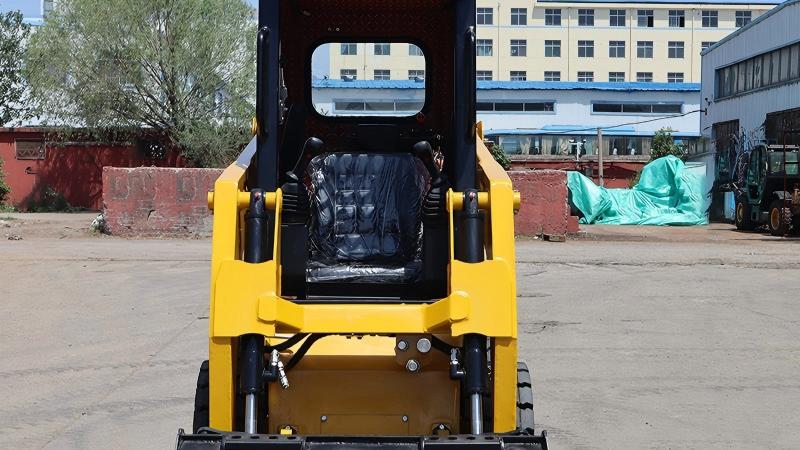
Delving into the new skid steer market, prices are primarily dictated by machine class, which is determined by rated operating capacity (ROC). Smaller models, often referred to as compact or mini skid steers with an ROC around 1,000 pounds, can have starting prices in the range of $20,000 to $35,000. These are ideal for landscaping, small demolition projects, and work in confined spaces. The mainstream workhorses, the medium-frame models with ROCs between 1,500 and 2,200 pounds, constitute the most popular segment. Here, prices typically range from $40,000 to $70,000 for a well-equipped standard model. The upper echelon includes large-frame skid steers and their tracked counterparts, often called compact track loaders (CTLs), with ROCs exceeding 2,500 pounds. These robust machines, designed for heavy-duty excavation, mining, and large-scale construction, can easily command prices from $70,000 to well over $120,000. Within these brackets, the choice between wheeled and tracked models significantly impacts cost; CTLs generally carry a 15-25% premium over comparable wheeled skid steers due to their enhanced undercarriage complexity and superior traction and ground pressure distribution.
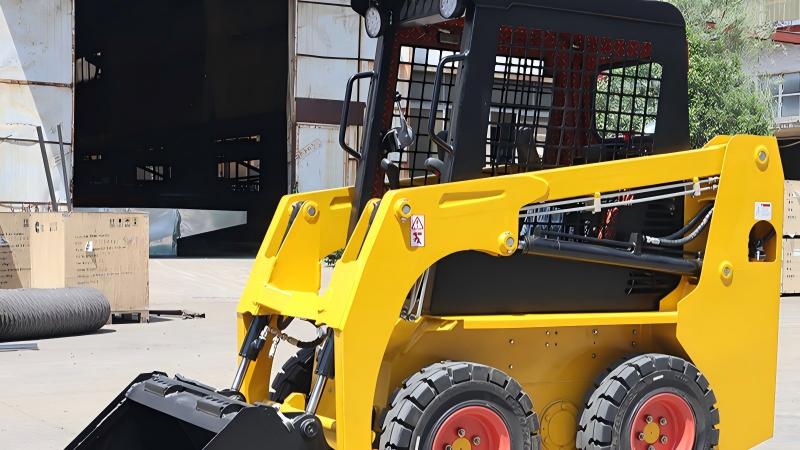
Beyond size and type, a multitude of factors critically influence the final purchase price. Brand reputation is a major component; established leaders like Bobcat (the originator of the category) and Caterpillar often price their machines at a premium, reflecting perceived durability, dealer network support, and resale value. Technology packages have become a substantial cost adder. Modern machines offer advanced features like two-speed travel, high-flow auxiliary hydraulics for demanding attachments, advanced climate-controlled cabs with touch-screen displays, and integrated grade control or telematics systems (e.g., Bobcat’s "Bobcat Connect" or Cat’s "VisionLink"). Each of these upgrades can add thousands to the base price. Furthermore, the power source is an emerging price differentiator. While traditional diesel engines are standard, the advent of all-electric skid steers from manufacturers like Bobcat and Case represents a new, often higher-priced segment, with initial costs offset by potential fuel and maintenance savings. Crucially, the purchase price of the machine itself is often just the beginning, as attachments—buckets, augers, trenchers, grapples, tillers—represent a separate and considerable investment, easily adding another $5,000 to $30,000 to the total project cost.
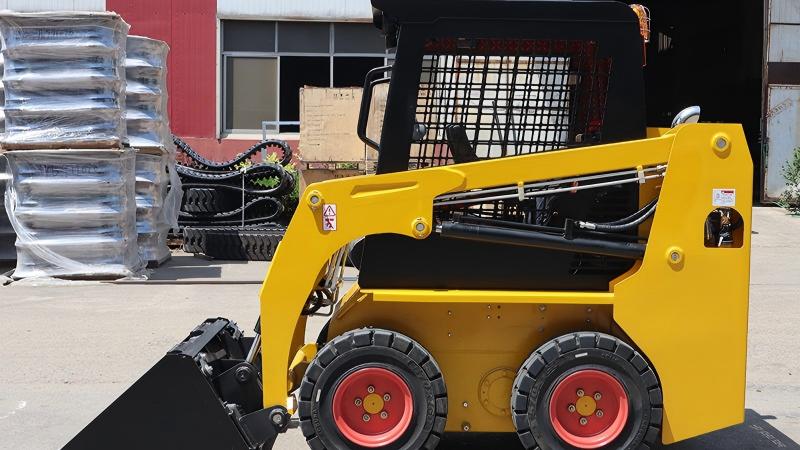
The used skid steer market provides a dynamic and cost-effective alternative, with prices heavily influenced by age, hours of use, condition, and model reputation. A well-maintained skid steer that is 5-7 years old with 3,000-4,000 operating hours might sell for 40-60% of its original new price, placing many capable machines in the $15,000 to $40,000 range. Older models (10+ years) can be found for under $10,000, but they often require immediate repairs or lack modern safety and comfort features. The auction landscape, including online platforms like MachineryTrader and IronPlanet, is a key price barometer, though prices can be volatile. When evaluating used equipment, savvy buyers must scrutinize service records, check for structural cracks or weld repairs, assess tire or track wear, and test hydraulic functions for leaks and performance. Ultimately, whether purchasing new or used, the "price" of a skid steer must be contextualized as a total cost of ownership. This includes financing interest, insurance, routine maintenance (fluids, filters), repairs, and depreciation. A slightly higher upfront cost for a reliable, appropriately sized machine from a reputable dealer with strong product support can lead to lower long-term costs and higher profitability, making the initial price just one part of a complex financial equation.
Post time:Dec.18.2025
