
In the world of earthmoving and construction, two of the most ubiquitous and versatile pieces of equipment are the backhoe loader and the excavator. While both are fundamental to digging, trenching, and material handling, they represent fundamentally different design philosophies and operational capabilities. The backhoe loader, often simply called a "backhoe," is a classic example of a multi-purpose tool. It is essentially a hybrid machine, combining three distinct functions into one chassis: a tractor-like front end with a loader bucket, a central cab and operator station, and a rear-mounted digging arm, or "backhoe." This triple-threat design makes it the quintessential utility machine for a wide array of tasks, from loading gravel and backfilling trenches to breaking asphalt and performing precise excavations in tight spaces. Its defining characteristic is its ability to swiftly transition between roles, offering significant value on jobsites where tasks are varied and space for multiple specialized machines is limited. In contrast, the modern hydraulic excavator is a dedicated digging powerhouse. Its design is singularly focused on excavation efficiency, featuring a rotating upper structure (house) that can spin a full 360 degrees independently of its undercarriage (which can be tracks or wheels), a long, articulated boom and stick, and a heavy-duty bucket. This configuration allows for exceptional digging depth, reach, and power, but it typically performs one primary function at a time, though numerous attachments are available.
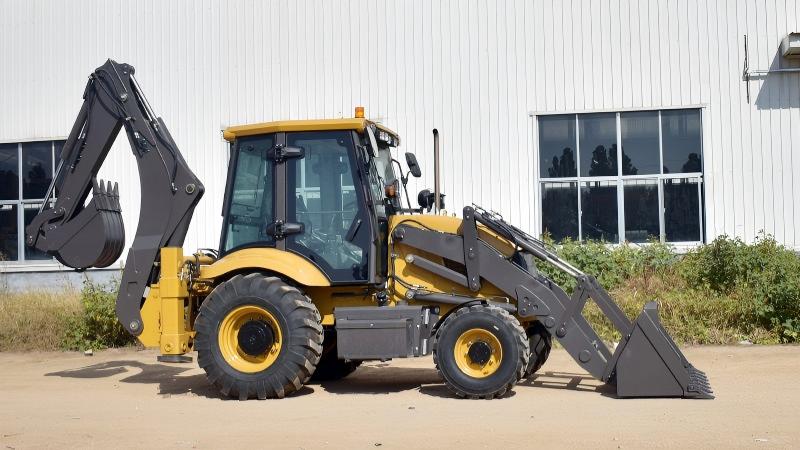
Delving deeper into their operational strengths, the key differences become starkly apparent. The backhoe loader excels in versatility and mobility. The front loader bucket is ideal for material spreading, backfilling, light grading, and pushing materials. The rear backhoe, while powerful, operates within a more limited radius compared to an excavator. Its greatest advantage is agility and speed in changing tasks and moving around a site, especially when equipped with wheels. It can drive to a job at road speeds, dig a trench, backfill it, and then use the loader to clean up the site—all with one machine and one operator. However, this jack-of-all-trades nature comes with compromises. Its digging depth and reach are considerably less than even a modest-sized excavator; a typical backhoe might achieve a maximum dig depth of 14 to 18 feet, whereas a standard excavator can easily reach 20 feet or more. Furthermore, the backhoe's digging power, or crowd force, is lower, making it less suitable for continuous, heavy-duty rock digging or large-scale excavation. The excavator, with its 360-degree rotation, can dig, swing, and dump material without constantly repositioning its tracks, leading to vastly superior cycle times on pure digging tasks. Its stability on tracks allows it to apply tremendous force with its bucket and hydraulic system, tackling harder materials and larger volumes of earth with ease.
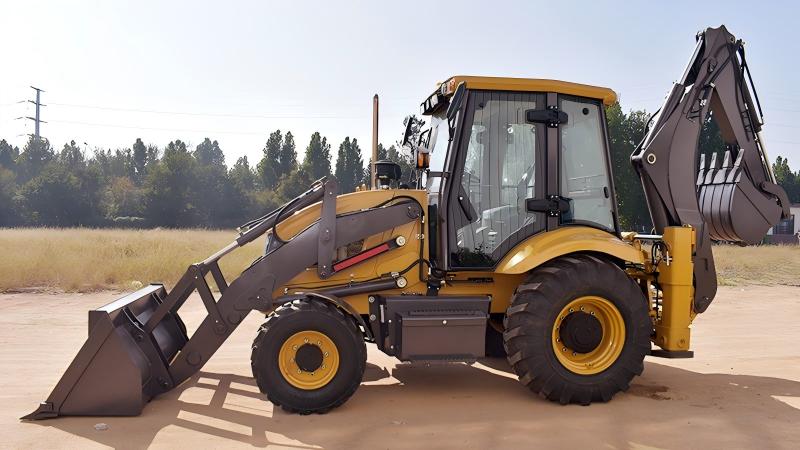
The choice between these two machines is fundamentally dictated by the nature and scale of the project. A backhoe loader is the undisputed champion for municipal work, utility installations, farm work, and general contracting on smaller-scale projects. Plumbers, electricians, and landscapers often favor backhoe loaders because they can handle a dozen different jobs in a day, from loading a truck with debris to digging a precise foundation footing. Its roadability eliminates the need for a lowboy trailer for short moves, saving time and cost. Conversely, an excavator is the go-to machine for any project where excavation is the primary, continuous task. This includes foundation digging for large buildings, major pipeline projects, mining applications, pond excavation, and heavy demolition. The availability of a vast array of attachments—like hydraulic breakers, grapples, augers, and thumbs—enhances its specialty functionality, but it remains a platform optimized for the work directly in front of and around it. It is less efficient at tasks like loading trucks from a pile than a dedicated wheel loader, and it requires transport between sites. For large-scale site development, it's common to see multiple excavators working in concert with haul trucks and other specialized equipment.
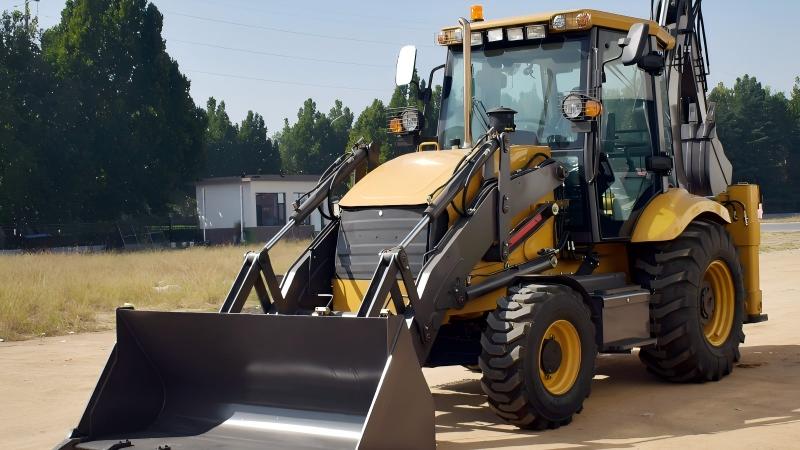
Finally, considerations of cost, logistics, and operational efficiency play a crucial role in the decision. From an acquisition standpoint, a backhoe loader generally represents a lower initial capital investment than an excavator of comparable engine power. For small businesses or rental yards, this lower entry cost and the machine's broad utility make it an attractive, all-in-one solution. Operational costs, including maintenance, can be simpler due to its more traditional mechanical systems in some models. The excavator, while typically a higher upfront investment, offers potentially lower cost per yard of material moved on big digging projects due to its speed and power. Its track-based system provides superior traction and ground pressure distribution in soft or muddy conditions, whereas a wheeled backhoe might struggle. Ultimately, there is significant overlap in their capabilities, and a skilled operator can accomplish remarkable work with either. However, understanding the core design principles—the backhoe loader as a versatile, mobile tool carrier and the excavator as a dedicated, high-production digging specialist—provides the clearest path to selecting the right machine to maximize productivity, control costs, and ensure safety on any given jobsite.
Post time:Dec.17.2025
