
Navigating the market for the best skid steer loader requires a clear understanding of your specific project demands, as the "best" machine is ultimately the one that most efficiently balances power, versatility, and cost for your unique tasks. At its core, a skid steer is a compact, rigid-frame loader with lift arms, renowned for its incredible 360-degree turning radius achieved by independently driving the wheels or tracks on each side. This agility makes it indispensable on congested job sites. The primary choice begins with the undercarriage: wheeled skid steers offer higher top speeds, superior performance on hard, flat surfaces like concrete, and generally lower operating costs. In contrast, compact track loaders (CTLs), often considered a subset or evolution of the skid steer concept, replace wheels with rubber tracks. These tracks distribute the machine's weight over a larger surface area, providing significantly enhanced traction, stability, and flotation in soft, muddy, or delicate terrain like lawns. The decision between wheels and tracks is foundational. For high-traffic areas on solid ground where speed and maneuverability are paramount, a wheeled model may be ideal. However, for the vast majority of diverse applications—from landscaping and agriculture to construction on unstable soil—the minimal ground pressure and superior grip of a CTL often make it the more versatile and popular choice, reducing ruts and site damage while improving safety on slopes. Beyond mobility, critical evaluation points include rated operating capacity (ROC), which indicates the safe lifting weight, and horsepower, which relates to overall performance and attachment capability. The best manufacturers engineer their machines with robust auxiliary hydraulic systems to power a vast universe of attachments, transforming the skid steer from a simple loader into a Swiss Army knife for the worksite.
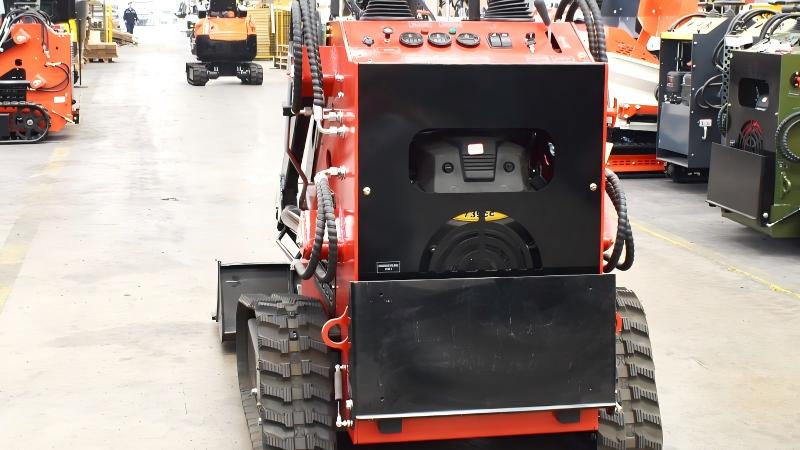
Delving deeper into performance specifications and operator-centric design, the best skid steers distinguish themselves through a combination of power, intuitive controls, and serviceability. The heart of the machine is its hydraulic system, measured in flow rate (gallons per minute) and pressure (pounds per square inch). High-flow hydraulics are essential for running demanding attachments like cold planers, trenchers, or brush cutters, making this a key spec for users looking to maximize versatility. Operator comfort and efficiency are no longer luxuries but necessities. The best cabins feature best-in-class visibility through wide, easy-to-clean windows, reduced interior noise levels, and superior suspension seating to combat fatigue during long shifts. Control systems have evolved from traditional hand-levers to ISO pattern foot controls and, most notably, to advanced electro-hydraulic joystick systems. These intuitive joystick controls, sometimes with customizable settings, reduce operator effort and training time while improving precision. Easy access for daily maintenance checks—such as fluid levels and grease points—is a hallmark of thoughtful design, minimizing downtime. Furthermore, modern machines incorporate advanced cooling systems to manage engine and hydraulic temperatures during intense work, ensuring consistent performance. When evaluating the "best," one must consider the total cost of ownership, which includes fuel efficiency, durability of components like the undercarriage on CTLs, and anticipated repair costs. A machine with a slightly higher purchase price but demonstrably better fuel economy and a longer service life will often provide greater long-term value. The integration of robust steel guarding for critical components like hydraulic hoses and radiator cores also speaks to a design built for longevity in harsh environments.
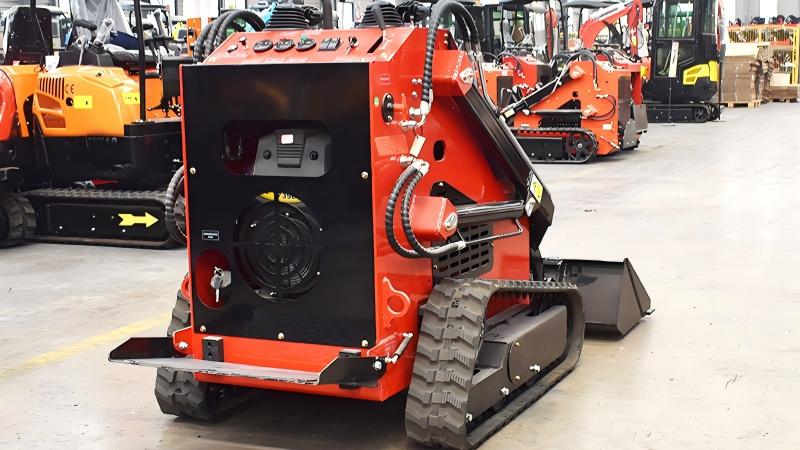
The true measure of a skid steer's excellence is revealed in its attachment versatility and its performance in real-world applications across key industries. The ability to quickly switch from a bucket to a grapple, to a trencher, to a hydraulic breaker is what defines the skid steer's value proposition. Therefore, the best machines feature a universal quick-attach system, such as the Bob-Tach or similar, ensuring compatibility with a vast aftermarket of tools. In construction, a powerful skid steer with a high ROC might be used for site cleanup, loading trucks, backfilling trenches with a grading bucket, or even precise finish grading with a laser-guided attachment. In agriculture, a CTL with excellent flotation becomes a versatile tool for cleaning stables with a bucket, moving feed with a bale spear, or clearing land with a forestry cutter. For landscaping professionals, a quieter, compact model with a smooth control system is ideal for operating in residential areas, using attachments like pallet forks for sod, brush rakes for cleanup, or soil conditioner for fine grading. The best skid steer for a rental fleet might prioritize simplicity of operation and extreme durability to withstand varied use, while a model destined for a specialized snow removal business would be judged on its performance with a snow blower or angle broom attachment and its reliability in cold weather. This application-focused analysis underscores that there is no single "best" model, but rather a tier of excellent machines whose specifications align perfectly with specific duty cycles and tasks. Leading manufacturers compete by offering tailored models within their ranges, from economy-focused units to premium high-performance loaders packed with technology.
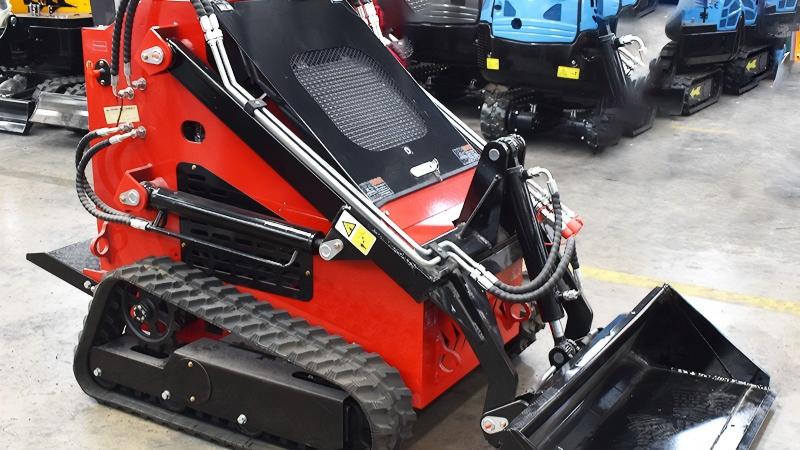
Concluding the search for the best skid steer necessitates a forward-looking perspective that incorporates technological innovation, dealer support, and brand reputation. The modern skid steer is increasingly becoming a connected piece of equipment. Telematics systems, now common in premium models, allow fleet managers to monitor location, machine hours, fuel consumption, and diagnostic codes remotely, enabling proactive maintenance and optimizing asset utilization. Some advanced models offer return-to-dig features, ride control systems for smoother travel with loads, and even auto-leveling buckets for greater efficiency. However, the most advanced machine is only as good as the support behind it. The reputation and network of the manufacturer and its local dealer are critical components of the purchase decision. The "best" brand often provides not just a reliable product, but also comprehensive warranty terms, readily available parts inventories, and highly trained service technicians. Strong dealer support minimizes costly downtime, which is a paramount consideration for any business. Ultimately, identifying the best skid steer is a multi-step process: first, rigorously assess your primary applications to dictate the necessary specifications (track/wheel, ROC, hydraulic flow); second, prioritize operator environment and ease of maintenance; third, consider the long-term costs and the strength of the manufacturer's ecosystem. By meticulously weighing these factors—raw performance, practical versatility, technological integration, and unparalleled dealer support—you can select a skid steer loader that will deliver exceptional productivity and return on investment for years to come, solidifying its status as the best choice for your operational needs.
Post time:Dec.15.2025
