
Navigating the world of material handling equipment rental begins with understanding the fundamental question: how much does it cost to rent a forklift? The answer, while seemingly straightforward, is influenced by a dynamic matrix of factors, making a one-size-fits-all price point elusive. On average, daily rental rates for a standard internal combustion engine forklift can range from $150 to $400, while weekly rates often fall between $500 and $1,200, offering a cost-effective solution for short to medium-term projects. However, these figures are merely a starting point. The final invoice is a culmination of the machine type, its lift capacity, the rental duration, geographic location, and the specific terms set by the rental company. For instance, a basic 5,000-pound capacity electric forklift for light warehouse duty will command a significantly lower rate than a 15,000-pound rough-terrain forklift designed for muddy construction sites. Furthermore, understanding the distinction between a bare rental (equipment only) and a full-service lease that includes maintenance, insurance, and delivery is crucial for accurate budget forecasting. This initial exploration into forklift rental economics underscores the importance of viewing cost not as a flat fee but as a variable investment directly tied to operational requirements and project scope.
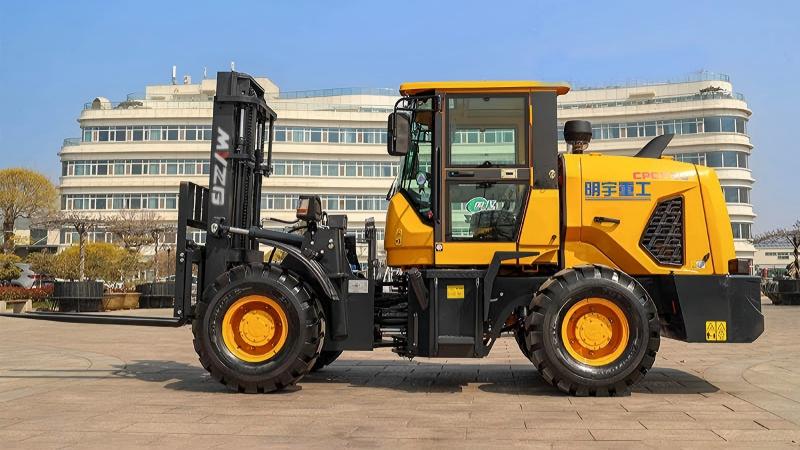
Delving deeper into the cost structure, the type and specifications of the forklift emerge as the primary price determinants. Equipment is broadly categorized into electric, internal combustion (IC), and rough-terrain models, each with its own pricing tier. Electric forklifts, prized for indoor use due to zero emissions and lower noise, might rent for $100 to $300 daily. IC forklifts, powered by diesel, propane, or gasoline, are workhorses for outdoor or heavy-duty applications, with daily rates typically between $200 and $400. Specialized equipment, such as telehandlers, large-capacity forklifts, or models with unique attachments like clamps or rotators, can see daily rates soar from $400 to over $800. The lift capacity is a linear cost driver; a 10,000-pound capacity unit will cost more than a 5,000-pound one. Beyond the base equipment rate, ancillary costs form a critical part of the total expenditure. These almost always include delivery and pick-up fees, which can vary from $50 to $200 per service depending on distance. Fuel or propane costs are typically the renter's responsibility. Critically, most rental companies offer damage waivers or insurance options, which add a daily or weekly premium but protect against costly repair bills for accidental damage, a factor that must be weighed carefully against risk tolerance.
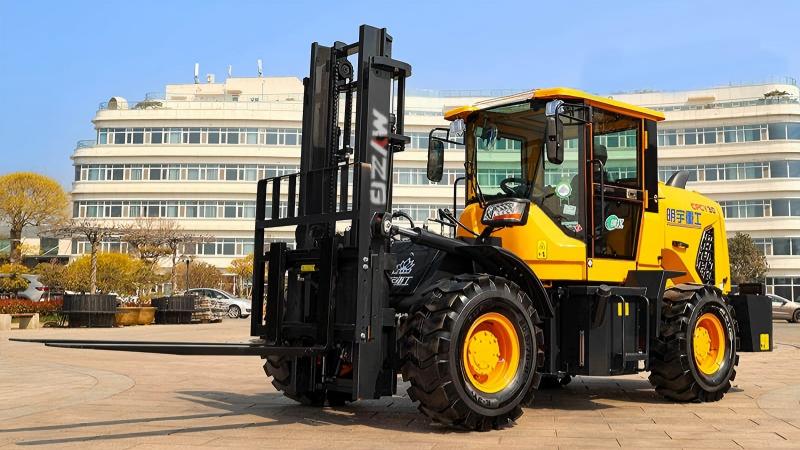
The strategic dimension of rental duration and company policies plays an equally vital role in cost optimization. Rental companies heavily incentivize longer commitments through discounted weekly and monthly rates. Renting for a week is almost always more economical on a per-day basis than renting for a single day, with monthly rates offering even greater value for extended projects. It is imperative to request a comprehensive quote that details all potential charges: the base rental rate, any mandatory fees (environmental, administration), optional add-ons (forks, lights, insurance), and clear terms on maintenance responsibilities. A proactive approach involves scrutinizing the rental agreement for charges related to excessive wear and tear, overtime usage, or early termination. Building a relationship with a reputable national or local rental provider can also yield benefits, as established clients may gain access to fleet discounts, priority service, and more favorable terms. Ultimately, the goal is to align the rental period as closely as possible with the project timeline to avoid paying for idle equipment, while securing a rate structure that reflects the true, long-term need rather than a series of expensive daily rentals.
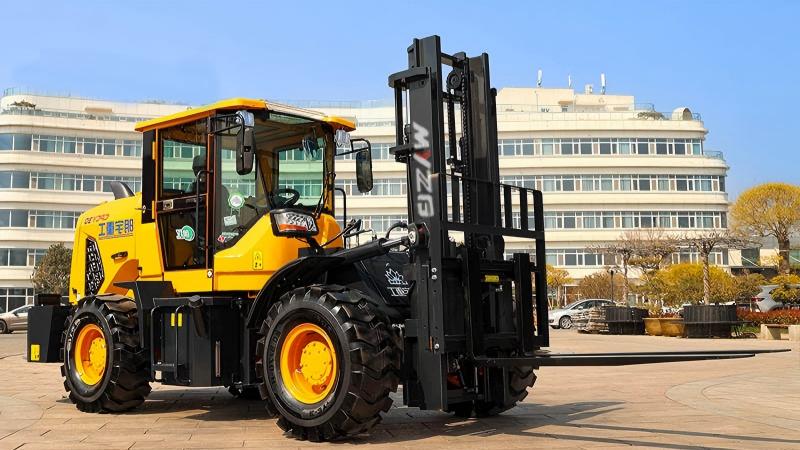
Therefore, determining the cost to rent a forklift per day or week is an exercise in detailed specification and transparent communication. The most effective strategy to control costs is to engage rental providers with precise information: the exact application (indoor warehouse stacking, outdoor lumberyard, construction site), required lift capacity and height, desired fuel type, and the anticipated rental period. Obtaining multiple itemized quotes allows for a true apples-to-apples comparison beyond just the headline daily rate. This process not only reveals the market price but also highlights the service quality, fleet condition, and support infrastructure of the rental company. In the final analysis, the cheapest daily rate can become the most expensive option if it leads to downtime, inadequate performance, or hidden fees. Investing time in thorough planning and vendor evaluation ensures that the forklift rental becomes a predictable, efficient, and productive component of your project's budget, driving value far beyond the simple line item of a daily or weekly charge
Post time:Dec.16.2025
