
What Is a Wheel Loader? A Complete Guide to Function, Types, and Applications
A wheel loader is one of the most essential and versatile pieces of heavy equipment used across construction, agriculture, mining, and material handling industries. At its core, a wheel loader is a powerful machine equipped with a front-mounted bucket designed to scoop, lift, transport, and load materials such as soil, sand, gravel, snow, and debris. Unlike tracked machinery, wheel loaders operate on durable rubber tires, which provide superior mobility, speed, and flexibility on paved or semi-rough surfaces. These machines play a critical role in improving productivity on job sites by reducing manual labor and accelerating material handling processes. Whether it is loading trucks, clearing land, or moving bulk materials, wheel loaders are a fundamental part of modern infrastructure development and industrial operations.
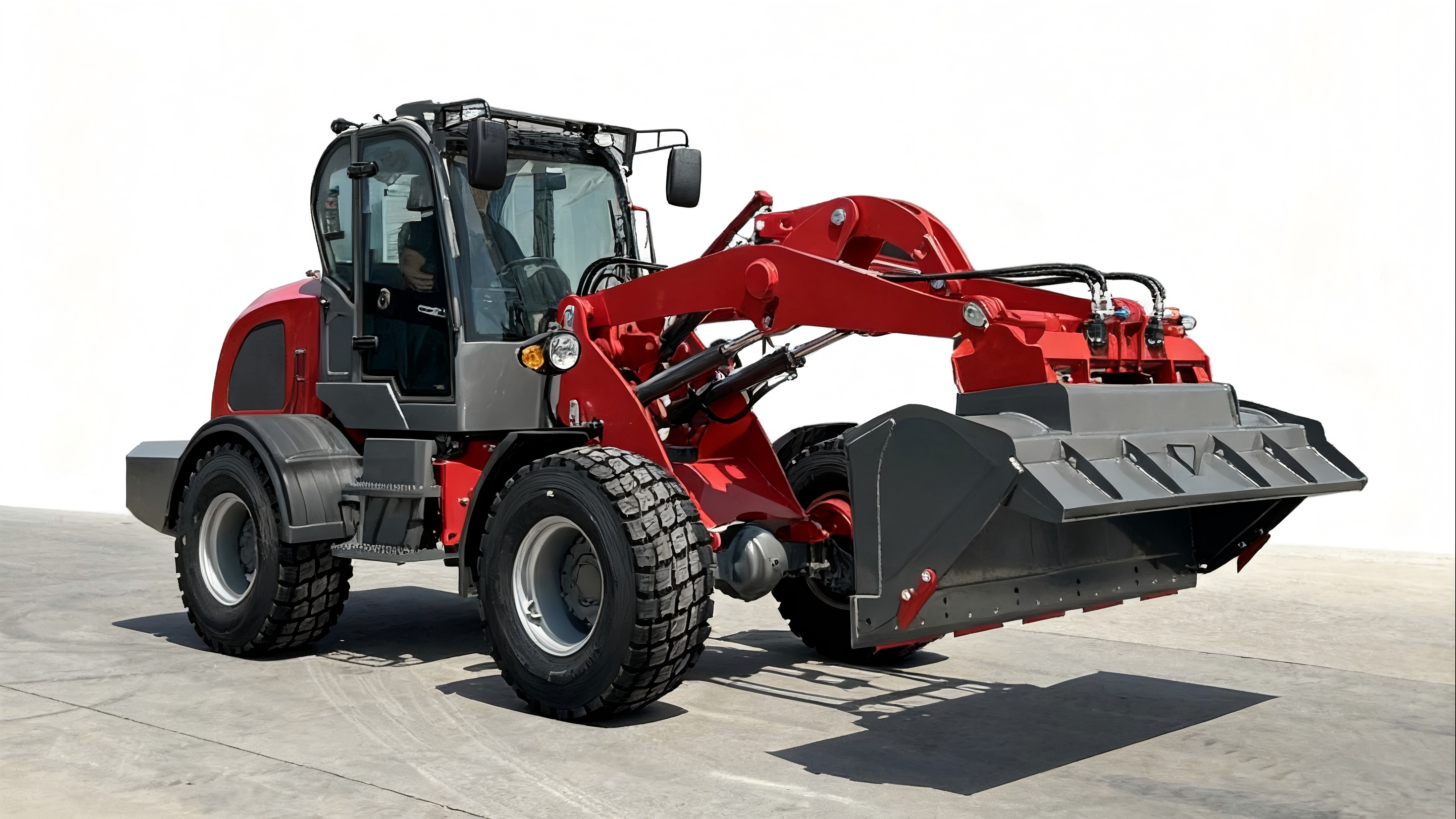
The structure of a wheel loader is composed of several key components that work together seamlessly to deliver high performance. The most recognizable part is the bucket, which comes in various sizes and shapes depending on the application. This bucket is attached to boom arms powered by a hydraulic system that allows lifting, lowering, and tilting movements. The hydraulic system is the backbone of the machine, providing the force needed to handle heavy loads efficiently. At the heart of the wheel loader is a robust engine that drives both the hydraulic system and the transmission, enabling the machine to move and operate simultaneously. The operator cabin is ergonomically designed with advanced controls, offering visibility, comfort, and safety for long working hours. Additionally, the use of wheels instead of tracks allows for faster travel speeds and reduced surface damage, making wheel loaders ideal for urban and road-based projects.
Understanding how a wheel loader works helps highlight its efficiency and engineering. The operation begins with the operator driving the machine toward the material pile. The bucket is lowered and angled appropriately to penetrate the material, and then lifted using hydraulic force once filled. After securing the load, the operator transports it to the desired location, such as a dump truck or storage area. The bucket is then tilted forward to release the material, completing one loading cycle. This process, often referred to as the “load and carry cycle,” can be repeated continuously with high efficiency. Modern wheel loaders are equipped with advanced control systems, joystick operation, and even automation features that enhance precision and reduce operator fatigue. The combination of hydraulic power and operator control makes these machines highly productive in demanding environments.
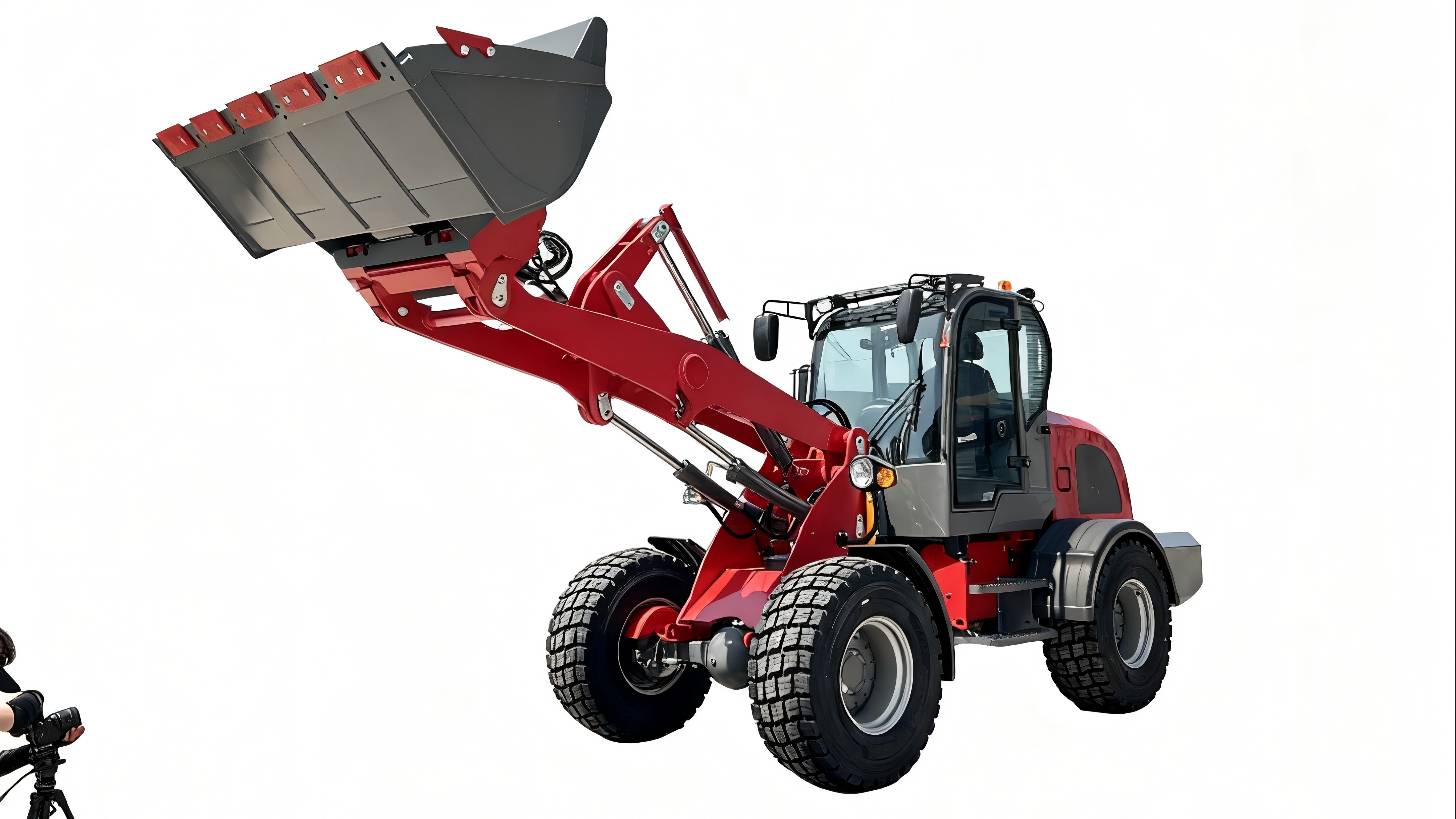
Wheel loaders come in a variety of types and sizes to meet different operational needs. Compact wheel loaders are smaller machines designed for tight spaces, landscaping, and light construction work. They offer excellent maneuverability and are commonly used in urban environments or indoor facilities. Small to medium wheel loaders are the most commonly used models, suitable for general construction, agriculture, and material handling tasks. Large wheel loaders, on the other hand, are built for heavy-duty applications such as mining and quarrying, where high capacity and durability are essential. There are also specialized wheel loaders, including high-lift loaders for handling large volumes of lightweight materials and log loaders designed specifically for forestry operations. Choosing the right type depends on factors such as job requirements, material type, and working conditions.
The applications of wheel loaders are incredibly diverse, making them indispensable across multiple industries. In construction, they are used for site preparation, loading materials, and clearing debris. In agriculture, wheel loaders assist with handling feed, manure, and harvested crops, significantly reducing manual labor. Mining and quarrying operations rely on large wheel loaders to move heavy materials efficiently and maintain production flow. In waste management and recycling, these machines are used to sort, load, and transport waste materials. Municipal services also utilize wheel loaders for tasks such as snow removal, road maintenance, and public works projects. Their adaptability and ability to work with various attachments make them suitable for almost any material handling task, enhancing their value across different sectors.
One of the major advantages of wheel loaders is their efficiency and productivity. These machines are designed to handle large volumes of material quickly, reducing the time and labor required for manual operations. Their mobility is another significant benefit, as the use of wheels allows for faster travel between job sites compared to tracked equipment. Wheel loaders are also highly versatile, with the ability to use different attachments such as forks, grapples, and snow blades, transforming them into multi-purpose machines. Additionally, they cause less ground damage than tracked machines, making them suitable for use on paved surfaces and finished areas. This combination of speed, flexibility, and functionality makes wheel loaders a preferred choice for many contractors and operators.
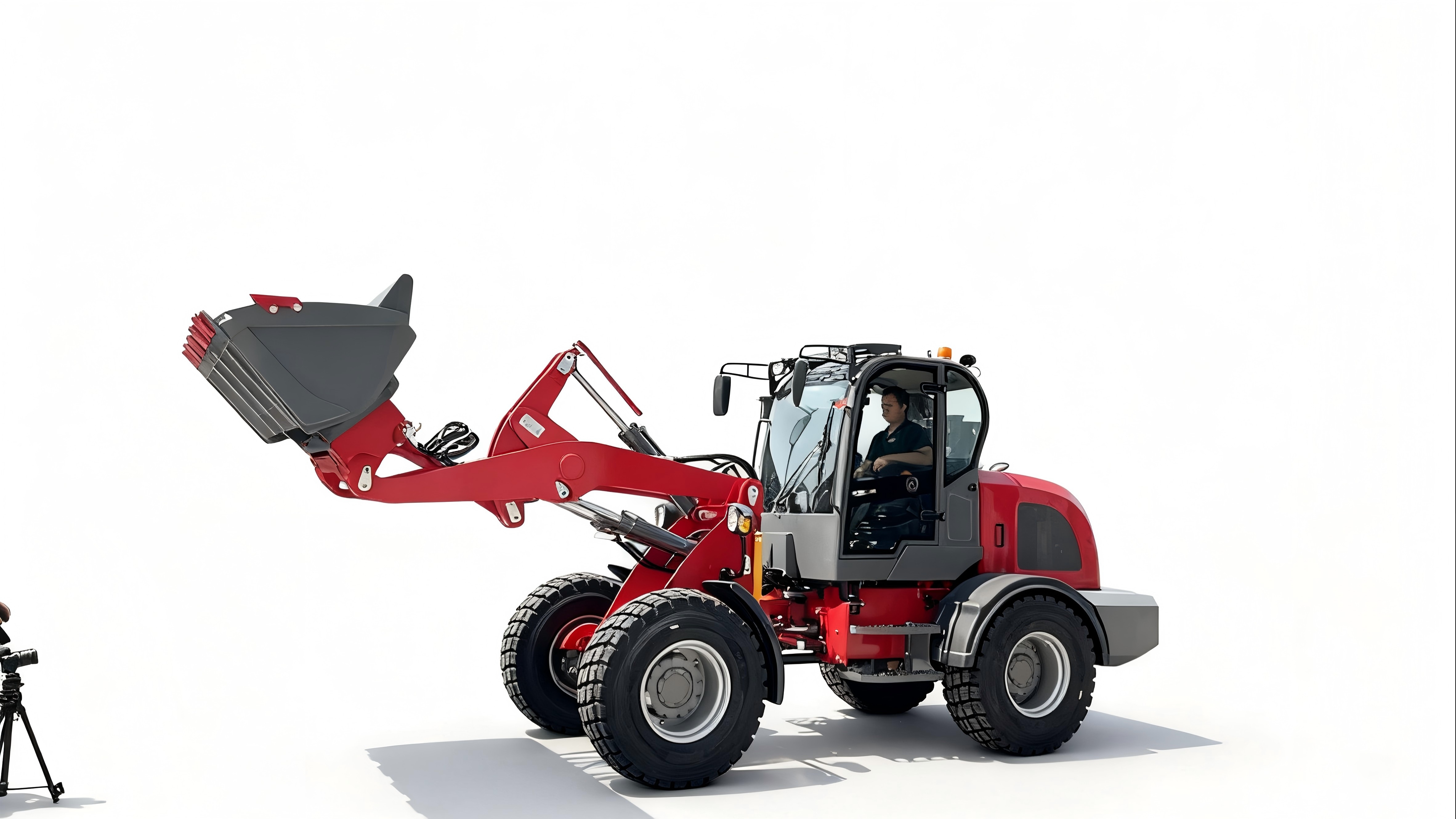
Despite their advantages, wheel loaders do have certain limitations and challenges that must be considered. For example, they are not as effective on extremely rough, muddy, or uneven terrain where tracked machines perform better. Tire wear can also be a concern, especially when operating on abrasive surfaces or carrying heavy loads frequently. Fuel consumption is another factor, as larger machines require significant power to operate efficiently. Operator skill plays a crucial role in maximizing productivity and minimizing wear and tear on the equipment. Inexperienced operators may lead to inefficient loading cycles or increased maintenance costs. Therefore, proper training and understanding of the machine are essential for optimal performance and longevity.
When selecting a wheel loader, it is important to consider key specifications that directly impact performance and suitability for specific tasks. Operating weight determines the machine’s stability and capacity, while bucket capacity indicates how much material can be handled in each cycle. Engine power, typically measured in horsepower or kilowatts, affects the machine’s ability to perform heavy-duty tasks. Load capacity and breakout force are critical for understanding how much weight the loader can lift and how effectively it can penetrate material piles. Dimensions and maneuverability also play a role, especially in confined work environments. By carefully evaluating these specifications, buyers can choose a machine that aligns with their operational needs and budget.
Proper maintenance and safety practices are essential to ensure the longevity and reliability of a wheel loader. Daily inspections should include checking fluid levels, tire condition, hydraulic systems, and overall machine integrity. Regular servicing, such as oil changes and filter replacements, helps prevent breakdowns and extends the machine’s lifespan. Operators should follow safe operating procedures, including wearing protective gear, maintaining clear visibility, and avoiding overloading the bucket. Worksite safety is also critical, as wheel loaders often operate in busy environments with other machinery and personnel. By prioritizing maintenance and safety, operators can reduce downtime, improve efficiency, and create a safer working environment.
In conclusion, a wheel loader is a powerful and versatile machine that plays a vital role in modern construction and material handling operations. Its ability to efficiently load, transport, and dump materials makes it an indispensable tool across various industries. With different types and sizes available, wheel loaders can be tailored to meet a wide range of operational requirements. While they offer numerous advantages such as mobility, versatility, and productivity, it is important to consider their limitations and ensure proper operation and maintenance. For businesses and operators looking to improve efficiency and reduce labor costs, investing in a wheel loader is often a smart and practical decision.
Post time:Mar.24.2026
