
Skid Steer vs. The Mini Excavator: Which Should I Buy?
Choosing between a skid steer and a mini excavator is one of the most common decisions faced by contractors, landscapers, and equipment buyers entering the compact machinery market. Both machines are incredibly useful, highly versatile, and widely used across construction, agriculture, and property maintenance. However, despite some overlap in capability, they are fundamentally designed for different types of work. A skid steer is best known for its versatility and speed, while a mini excavator excels in precision digging and trenching tasks. Making the right choice depends not only on budget but also on the type of jobs you perform most frequently, the terrain you operate on, and how you plan to use attachments. Understanding the core differences between these two machines will help you avoid costly mistakes and ensure a higher return on investment.
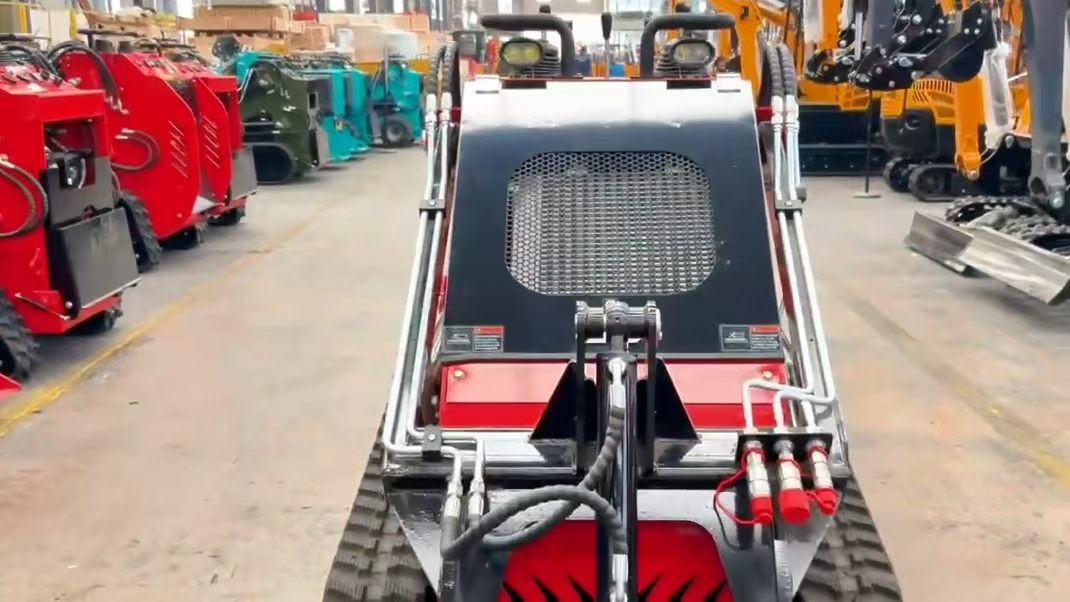
A skid steer loader is a compact, engine-powered machine with lift arms that can attach to a wide variety of tools and attachments. Its unique steering system allows the wheels or tracks on each side to move at different speeds, enabling the machine to “skid” turn in place. This gives it exceptional maneuverability, especially in tight spaces. One of the biggest advantages of a skid steer is its ability to handle multiple tasks, including loading, lifting, grading, and even drilling when equipped with the right attachment. Common attachments include buckets, pallet forks, augers, trenchers, and snow blowers. Because of this versatility, skid steers are often considered all-in-one machines for small to medium job sites, making them especially attractive to contractors who want maximum flexibility from a single piece of equipment.
On the other hand, a mini excavator is specifically designed for digging and earthmoving tasks. It features a boom, stick, and bucket mounted on a rotating platform, allowing for 360-degree operation without repositioning the machine. Most mini excavators run on tracks, which provide better stability and reduced ground pressure compared to wheeled machines. This makes them ideal for working on soft soil, muddy terrain, or uneven surfaces. Mini excavators are commonly used for trenching, foundation work, drainage installation, and utility projects. Their ability to dig deep, operate precisely, and reach over obstacles makes them indispensable for tasks that require accuracy rather than speed.
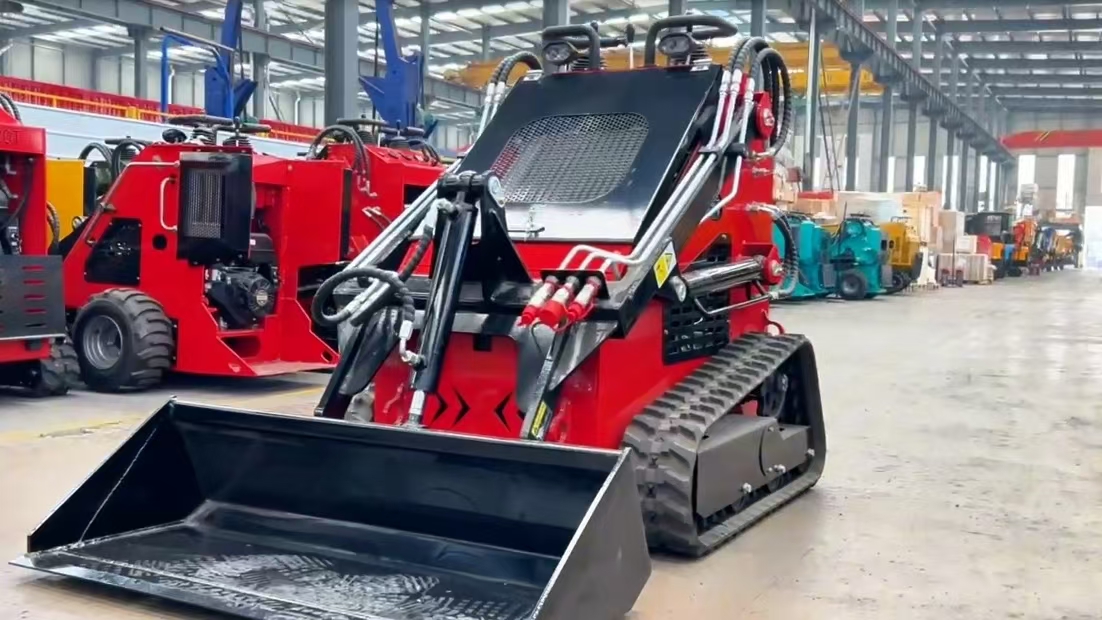
When comparing the two machines, the key differences become clear in terms of design, movement, and functionality. Skid steers are built for speed and versatility, allowing operators to quickly switch between tasks using different attachments. They are excellent for moving materials, clearing debris, and performing surface-level work. Mini excavators, in contrast, are slower but far more precise when it comes to digging. They can reach deeper and operate more efficiently in confined digging areas. Additionally, the operator experience differs significantly: skid steers require more physical maneuvering of the entire machine, while mini excavators allow for controlled arm movements with minimal repositioning.
Performance varies greatly depending on the job. For digging and trenching, mini excavators are the clear winner due to their depth capability and precision. For material handling and loading tasks, skid steers outperform mini excavators thanks to their speed and front-loading design. In landscaping applications, both machines can be useful—skid steers for grading and moving materials, and mini excavators for digging holes or installing irrigation systems. In demolition and site cleanup, skid steers often have the advantage due to their ability to use multiple attachments such as grapples and breakers. Ultimately, the best machine depends on your primary workload.
Versatility is one of the most important factors when choosing between these machines. Skid steers are known for their extensive range of attachments, making them adaptable to a wide variety of tasks. With a quick attachment change system, operators can switch from a bucket to forks or a trencher in minutes. Mini excavators also support attachments, such as hydraulic breakers and augers, but their range is more limited compared to skid steers. If your work requires constant switching between tasks, a skid steer may offer better value. However, if your primary need is consistent digging performance, a mini excavator is the more efficient choice.
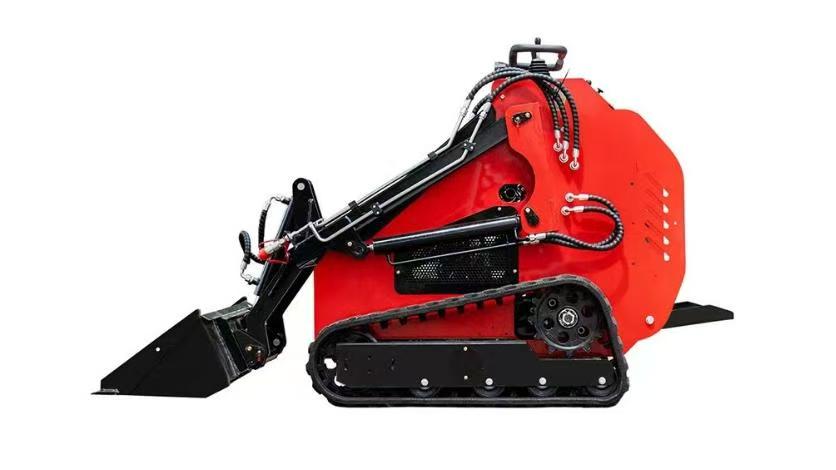
Terrain and jobsite conditions also play a major role in the decision-making process. Skid steers perform best on solid, flat surfaces such as concrete or compacted soil. However, they can cause ground disturbance due to their turning mechanism, especially on softer terrain. Mini excavators, with their tracked design, distribute weight more evenly and are less likely to damage the ground. They also provide better stability on slopes and uneven surfaces. If your projects involve sensitive landscaping or soft ground conditions, a mini excavator may be the safer and more effective option.
Cost is another critical factor to consider. In general, skid steers and mini excavators are similarly priced, although this can vary depending on size, brand, and features. However, the total cost of ownership includes more than just the purchase price. Skid steers may require additional investment in attachments, while mini excavators may have lower attachment costs but higher specialization. Maintenance costs, fuel efficiency, and resale value should also be considered. For many buyers, renting both machines before making a purchase decision is a practical way to evaluate their performance in real-world conditions.
In conclusion, there is no one-size-fits-all answer to whether you should buy a skid steer or a mini excavator. The right choice depends on your specific needs, including the type of work you do, the environment you operate in, and your long-term business goals. If you need a versatile machine capable of handling multiple tasks quickly, a skid steer is likely the better option. If your work focuses on digging, trenching, and precision tasks, a mini excavator will deliver superior performance. Many professionals ultimately choose to use both machines in combination, maximizing efficiency across different types of jobs. By carefully evaluating your requirements and understanding the strengths of each machine, you can make a smart investment that supports your productivity and profitability.
Post time:Mar.23.2026
