
What Is a Backhoe? A Complete Guide to Function, Types, and Applications
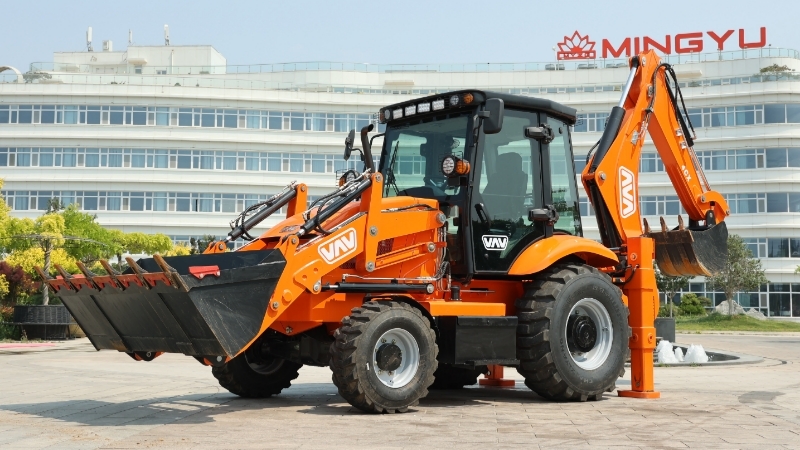
A backhoe, also known as a backhoe loader, is one of the most versatile and widely used pieces of construction equipment in the world. Combining the capabilities of an excavator and a loader, a backhoe is designed to perform digging, lifting, loading, and material handling tasks efficiently. At its core, a backhoe features a rear-mounted digging arm with a bucket (the “backhoe”) and a front-mounted loader bucket, enabling it to handle multiple tasks without the need for additional machines. This dual functionality makes backhoes indispensable in construction sites, urban utility work, agriculture, and landscaping projects. They allow operators to complete excavation, loading, and site preparation work efficiently, saving time, labor, and costs, which is why they remain one of the most popular machines for small to medium-scale construction and maintenance operations.
The main components of a backhoe work together seamlessly to deliver its multifunctional performance. The rear arm, consisting of the boom, dipper, and bucket, is responsible for digging, trenching, and lifting heavy materials. The front loader bucket allows the machine to scoop, carry, and deposit loose material such as soil, gravel, or debris. Both the front and rear systems are powered by a robust hydraulic system, which provides the force needed to perform heavy-duty operations with precision and control. The engine and transmission ensure that the machine can operate both the loader and the backhoe simultaneously while moving efficiently around the job site. The operator’s cab is ergonomically designed, providing excellent visibility, intuitive controls, and comfort, which is critical for long hours of operation. Together, these components make the backhoe a highly versatile and reliable machine for a wide variety of applications.
Understanding how a backhoe works is crucial for maximizing its efficiency on the job site. The digging process begins with positioning the machine and extending the rear arm to penetrate the soil or material. The operator manipulates the hydraulic controls to dig, lift, and move material with precision. Once the material is excavated, the front loader bucket can be used to transport or deposit it at the desired location. Switching between digging, loading, and transporting functions is quick and seamless, making the backhoe ideal for projects where multiple tasks need to be completed simultaneously. Operator skill is essential, as efficient operation involves coordinating the rear digging arm, front loader, and machine movement without compromising safety or productivity. Advanced models may also include features such as extendable arms, automated controls, and joystick operation, enhancing accuracy and reducing operator fatigue.
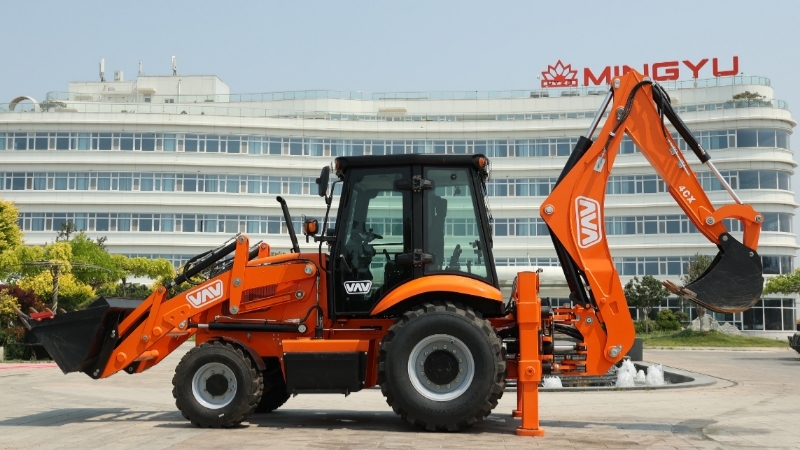
There are several types of backhoes designed to meet the needs of different work environments. Standard backhoe loaders are the most common, providing balanced performance for general construction, roadwork, and landscaping projects. Mini or compact backhoes are smaller, more maneuverable machines designed for tight spaces, residential construction, or urban utility work. Some backhoes feature a center-mount configuration, providing balanced weight distribution and improved digging stability, while side-shift models allow lateral movement for precise trenching. In addition, specialized attachments, such as hydraulic hammers, augers, or grapples, can expand the functionality of a backhoe for tasks like demolition, drilling, and material handling. The wide range of types and configurations makes backhoes adaptable to almost any site condition or project requirement.
The applications of backhoes are extensive, contributing to their popularity in various industries. In construction, they are commonly used for trenching foundations, digging drainage systems, backfilling, and loading trucks with loose materials. In agriculture, backhoes assist in digging irrigation channels, moving feed, clearing debris, and preparing fields. Utility and infrastructure work often relies on backhoes for trenching to lay pipes, cables, or conduits, as well as repairing roads and sidewalks. Landscaping projects benefit from backhoes for excavation, grading, and transporting soil, rocks, or mulch. Their ability to quickly switch between digging and loading functions allows crews to complete diverse tasks with fewer machines, increasing efficiency and reducing operational costs.
Backhoes offer a range of advantages that make them a preferred choice for many operators and contractors. Their primary benefit is versatility, as they combine the functions of an excavator and a loader into a single machine. This dual capability reduces the need for multiple pieces of equipment, saving both initial investment and operating costs. Backhoes are highly mobile, able to travel between sites or within job areas without additional transport equipment. They are also compatible with a wide range of attachments, which allows operators to perform digging, lifting, grading, demolition, drilling, and material handling with the same machine. Furthermore, modern backhoes are equipped with advanced hydraulic systems, ergonomic cabs, and precision controls, enhancing both productivity and operator comfort during extended operations.
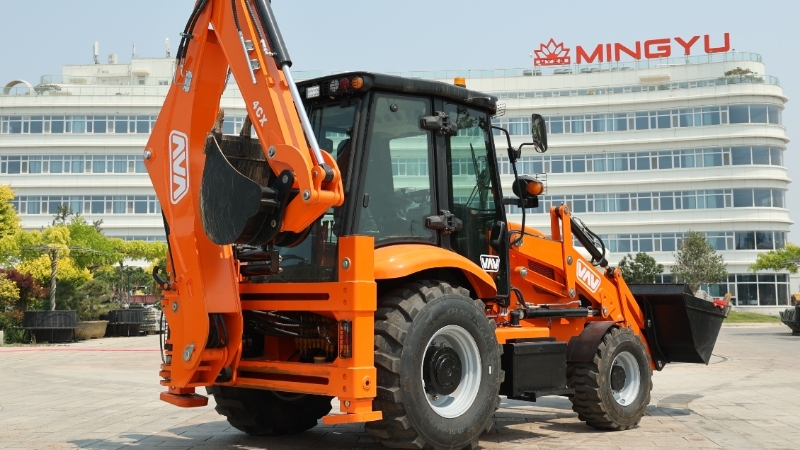
Despite their advantages, backhoes also have certain limitations. Compared to large excavators, they have a shallower digging depth and lower reach, which may limit their use in large-scale excavation projects. Stability can also be a concern, especially when handling heavy loads with the rear arm extended; proper use of stabilizers is crucial to prevent tipping. They are not ideal for extremely rough terrain or heavy mining operations, where specialized machinery is more suitable. Operator skill plays a significant role in maximizing performance, as inefficient use can reduce productivity and increase wear and tear. Understanding these limitations is essential for selecting the right backhoe for the job and ensuring safe and efficient operation on site.
When evaluating backhoes, several technical specifications should be considered. Digging depth and reach determine how effectively the machine can perform excavation tasks. Loader capacity indicates how much material can be moved in a single pass. Engine power and operating weight affect overall performance and stability, while breakout force measures the machine’s ability to penetrate dense soil or compacted material. Additional factors such as hydraulic flow, travel speed, and attachment compatibility are also critical for ensuring the backhoe meets specific project needs. By carefully assessing these specifications, operators and buyers can select a backhoe that delivers maximum productivity and efficiency for their operations.
Proper maintenance and safety practices are essential to extend the life of a backhoe and ensure safe operation. Daily inspections should include checking fluid levels, hydraulic hoses, tire or wheel condition, and the integrity of the digging and loader systems. Regular preventive maintenance, such as oil changes, filter replacements, and lubrication, helps prevent breakdowns and costly repairs. Safety procedures, including proper use of stabilizers, visibility checks, and protective equipment, are critical when operating in busy or confined job sites. Adhering to maintenance schedules and safety guidelines not only improves productivity but also reduces risks to operators and other personnel on site. A well-maintained and safely operated backhoe is a reliable asset for any construction or excavation project.
In conclusion, a backhoe is a versatile and indispensable machine that combines the functions of an excavator and a loader, offering unparalleled flexibility for digging, loading, and material handling tasks. Its adaptability, mobility, and compatibility with multiple attachments make it suitable for a wide range of industries, from construction and agriculture to utility work and landscaping. While backhoes have some limitations in terms of digging depth and stability, their advantages in efficiency, versatility, and cost-effectiveness make them an essential tool for many operators and contractors. By selecting the appropriate type, understanding specifications, and following proper maintenance and safety practices, a backhoe can deliver years of reliable, productive service across diverse applications.
Post time:Mar.24.2026
