
What Are the OSHA Safety Requirements for Operating a Scissor Lift in 2026?
1. Introduction
Scissor lifts have become essential equipment in construction, warehousing, manufacturing, facility maintenance, logistics, and commercial building operations because they provide a safe and efficient method for working at height. Compared with traditional ladders and scaffolding, scissor lifts improve productivity while reducing physical strain on workers, but they also introduce significant safety risks if operated improperly. Falls from elevation, tip-over accidents, electrocution, crushing incidents, and equipment malfunctions continue to be among the leading causes of workplace injuries involving mobile elevating work platforms (MEWPs). In 2026, the Occupational Safety and Health Administration (OSHA) continues to emphasize employer responsibility for providing safe equipment, qualified operators, proper maintenance, and comprehensive workplace hazard assessments. Although OSHA does not have one regulation dedicated solely to scissor lifts, several standards under 29 CFR 1910 and 29 CFR 1926 apply, together with the latest ANSI A92 standards that establish recognized industry best practices. Employers are expected to ensure operators receive adequate training, perform daily inspections, understand manufacturer instructions, recognize jobsite hazards, and follow safe operating procedures throughout every stage of lift operation. Understanding OSHA requirements not only helps companies avoid costly violations and penalties but also significantly reduces workplace accidents, improves operational efficiency, lowers insurance costs, and creates a stronger safety culture. This article explains the OSHA safety requirements for operating a scissor lift in 2026, covering regulations, operator qualifications, inspections, fall protection, load capacity, workplace hazards, maintenance responsibilities, emergency procedures, common violations, and practical recommendations that help employers and operators achieve full compliance while protecting workers on every jobsite.
2. What Is a Scissor Lift?
A scissor lift is a mobile elevating work platform designed to raise personnel, tools, and materials vertically using a crisscrossing support structure that expands and contracts like a pair of scissors. Unlike boom lifts, which provide both vertical and horizontal outreach, scissor lifts are intended primarily for straight vertical elevation and offer a stable working platform for employees performing tasks directly above the machine. They are commonly used for electrical installation, HVAC maintenance, painting, ceiling work, warehouse inventory management, fire protection system installation, retail store remodeling, airport maintenance, manufacturing operations, and numerous other applications requiring temporary elevated access. Modern scissor lifts are available in several configurations, including electric models for indoor environments, diesel-powered units for outdoor construction sites, rough-terrain models equipped with four-wheel drive and large pneumatic tires for uneven surfaces, and hybrid machines that combine fuel efficiency with reduced emissions. Regardless of the type selected, each lift has specific operating limitations regarding platform capacity, working height, ground conditions, slope ratings, and environmental conditions. OSHA expects operators to understand these limitations before using the equipment, follow all manufacturer recommendations, and recognize that selecting the proper lift for the job is one of the first steps in preventing workplace accidents.
3. OSHA Regulations That Apply to Scissor Lift Operations in 2026
Operating a scissor lift in compliance with OSHA requirements involves understanding several different regulations rather than relying on a single standard. OSHA enforces applicable rules under both the Construction Standards (29 CFR Part 1926) and the General Industry Standards (29 CFR Part 1910), depending on the workplace where the equipment is being used. These regulations address topics such as fall protection, walking-working surfaces, electrical safety, personal protective equipment, hazard communication, and employer responsibilities for providing safe workplaces. In addition to OSHA regulations, ANSI A92 standards have become the industry benchmark for mobile elevating work platforms, providing detailed guidance on equipment design, operator training, safe use, maintenance, inspections, and supervisory responsibilities. While ANSI standards themselves are voluntary consensus standards, OSHA frequently references them during inspections as recognized safe work practices. Employers are responsible for ensuring equipment remains in safe operating condition, training operators properly, performing documented inspections, correcting hazards promptly, maintaining maintenance records, and preventing unauthorized personnel from using the equipment. Employees are expected to follow operating procedures, perform pre-use inspections, report equipment defects immediately, wear required personal protective equipment, comply with load limitations, and avoid unsafe behavior that could endanger themselves or others. OSHA's enforcement efforts in 2026 continue focusing on proactive safety management systems that identify hazards before accidents occur rather than relying solely on corrective actions after an incident.
4. Operator Training and Certification Requirements
Proper operator training remains one of OSHA's most important safety requirements because even the most advanced scissor lift can become dangerous when operated by unqualified personnel. OSHA requires employers to ensure operators are trained to recognize workplace hazards, understand equipment controls, follow manufacturer instructions, perform inspections, respond appropriately to emergencies, and demonstrate competency before operating the equipment independently. Training typically combines classroom instruction with practical hands-on exercises that allow operators to practice safe driving, platform positioning, emergency lowering procedures, hazard recognition, load management, and safe work practices under supervision. Unlike forklift operators, scissor lift operators do not receive an official OSHA-issued certification or license, but employers must evaluate each operator's competency and formally authorize qualified individuals to use the equipment. Refresher training should be provided whenever unsafe operation is observed, workplace conditions change significantly, new equipment is introduced, an accident or near miss occurs, or an operator demonstrates inadequate knowledge or skills. Maintaining accurate training records, evaluation forms, and authorization documentation helps employers demonstrate OSHA compliance during inspections while ensuring that only qualified personnel operate aerial work platforms.
5. Pre-Operation Inspection Checklist
Before beginning each work shift, OSHA expects operators to conduct a thorough pre-operation inspection to verify that the scissor lift is safe to use. This inspection should include a careful examination of the platform, guardrails, entry gates, structural components, hydraulic cylinders, hoses, electrical wiring, battery or fuel system, steering mechanism, brakes, tires, wheels, control panels, emergency stop button, emergency lowering system, alarms, warning lights, safety decals, and all operating controls. After completing the visual inspection, operators should perform a functional test to confirm that lifting, lowering, steering, driving, braking, emergency controls, and safety systems operate correctly without unusual noises, leaks, or warning indicators. Particular attention should be given to hydraulic leaks, damaged tires, loose hardware, cracked welds, missing guardrails, battery condition, and signs of excessive wear that could compromise safe operation. If any defect capable of affecting safe operation is discovered, the lift should immediately be removed from service, properly tagged, and repaired by qualified maintenance personnel before returning to operation. Daily inspections not only reduce equipment failures but also provide documented evidence of OSHA compliance and demonstrate an employer's commitment to workplace safety.
6. Workplace Hazard Assessment Before Using a Scissor Lift
Conducting a workplace hazard assessment before operating a scissor lift is a critical OSHA expectation because even perfectly maintained equipment can become unsafe when used in hazardous environments. Supervisors and operators should evaluate the work area for uneven ground, soft soil, potholes, floor openings, steep slopes, unstable surfaces, overhead obstructions, electrical power lines, falling object hazards, pedestrian traffic, vehicle movement, confined spaces, poor lighting, adverse weather conditions, and excessive wind speeds that could affect machine stability. Indoor environments require evaluation of floor load capacity, aisle width, overhead clearances, and nearby equipment, while outdoor construction sites require additional attention to soil conditions, weather forecasts, wind limits, and underground utilities. Barricades, warning signs, spotters, and traffic control measures should be implemented whenever necessary to separate lift operations from nearby workers and moving vehicles. Employers should also verify that emergency rescue procedures are established before work begins and ensure operators fully understand site-specific hazards. Performing a comprehensive hazard assessment before every job significantly reduces the likelihood of tip-over accidents, collisions, electrocution, and crushing incidents while supporting OSHA's emphasis on proactive hazard prevention.
7. Safe Operating Procedures Required by OSHA
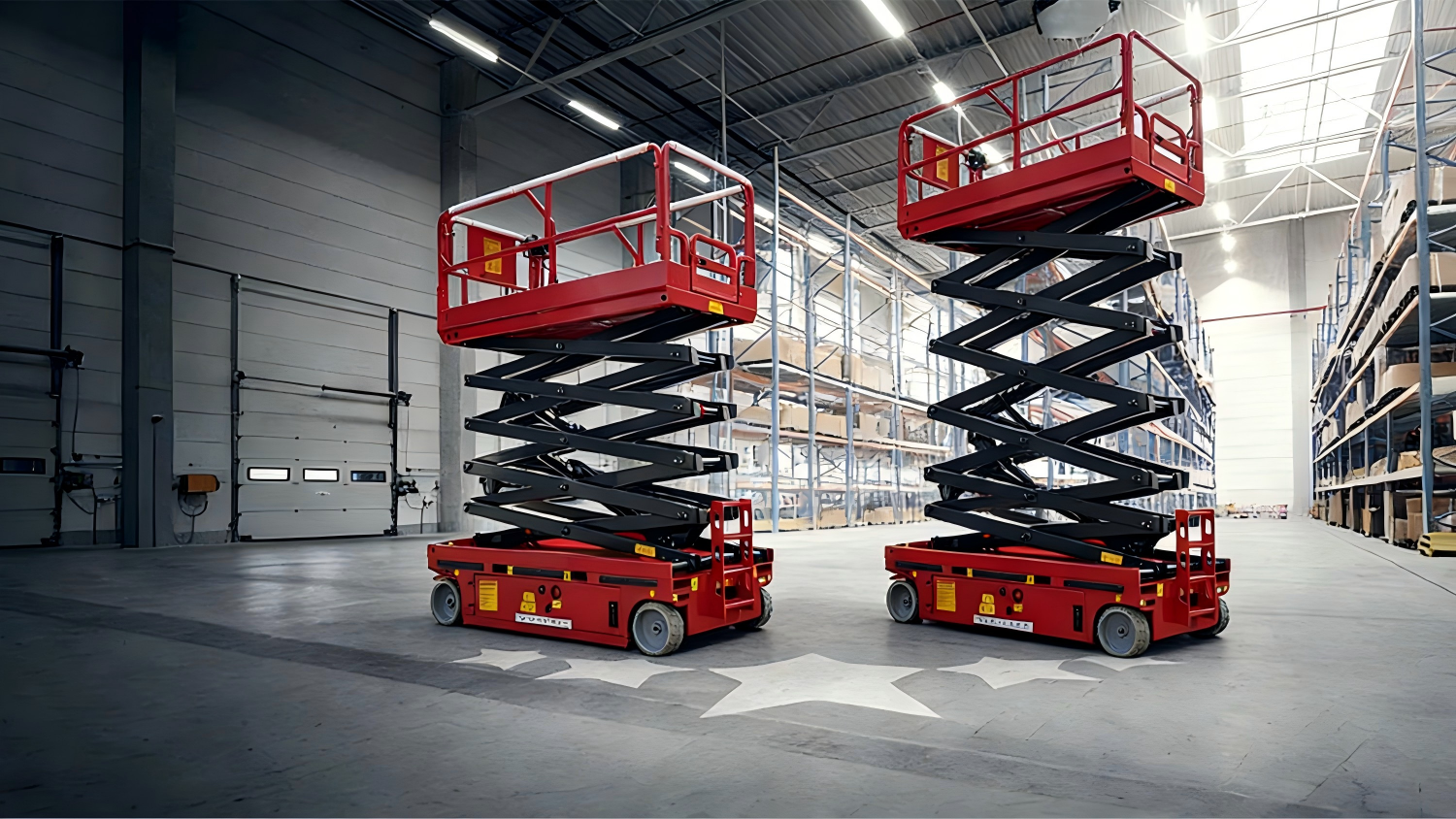
Safe operating procedures form the foundation of OSHA compliance because most scissor lift accidents result from unsafe behavior rather than equipment failure. Operators should read and understand the manufacturer's operating manual, wear appropriate personal protective equipment, maintain three points of contact when entering or exiting the platform, ensure the entry gate remains closed during operation, and keep both feet firmly on the platform floor at all times. Climbing on guardrails, standing on ladders, boxes, or other objects to gain additional height, leaning excessively outside the platform, or bypassing safety devices should never be permitted. Operators should drive slowly, avoid sudden acceleration or braking, maintain awareness of overhead hazards, verify adequate clearance before raising the platform, and ensure surrounding personnel remain outside the machine's operating area. Travel with the platform elevated should only occur when specifically permitted by the manufacturer and only on firm, level surfaces free of obstacles. Operators must always follow load limits, avoid distractions such as mobile phones while driving, and stop operation immediately if unusual equipment behavior is detected. Consistent adherence to these operating practices greatly reduces the risk of falls, collisions, equipment damage, and serious workplace injuries.
8. Fall Protection Requirements
Fall protection remains one of the most frequently misunderstood aspects of scissor lift safety because many workers assume that personal fall arrest systems are always required. In reality, OSHA generally considers the guardrail system installed on a properly designed scissor lift to provide adequate fall protection under normal operating conditions. However, this does not eliminate the operator's responsibility to work safely within the platform. Workers should keep entry gates closed, remain inside the guardrails, avoid climbing or sitting on rails, refrain from overreaching beyond the platform, and maintain proper footing throughout the task. Employers may require additional fall protection such as harnesses and lanyards when dictated by site-specific hazards, customer requirements, or manufacturer recommendations, but such systems must be used correctly to avoid introducing additional risks. Guardrails, toe boards, gates, and platform flooring should be inspected daily to ensure they remain secure and undamaged. Proper understanding of OSHA's fall protection expectations helps eliminate unsafe practices while allowing workers to perform elevated tasks efficiently and safely.
9. Load Capacity and Material Handling Rules
Every scissor lift is designed with a maximum rated platform capacity that includes the combined weight of operators, tools, equipment, and materials, and exceeding this capacity is one of the leading causes of instability and structural failure. OSHA requires operators to understand and respect the manufacturer's load ratings by calculating total weight before raising the platform and ensuring materials are distributed evenly across the deck. Heavy objects should remain centered whenever possible to maintain machine stability, while loose materials should be secured to prevent shifting or falling during operation. Operators should never guess the weight of equipment or construction materials and should avoid storing unnecessary items on the platform that contribute to overloading. Dynamic loading caused by sudden movement, uneven distribution, or improperly secured materials can significantly increase the risk of tip-over accidents even when the rated capacity has not technically been exceeded. Following proper material handling practices protects both workers and equipment while ensuring compliance with OSHA's emphasis on safe equipment operation.
10. Preventing Tip-Over Accidents
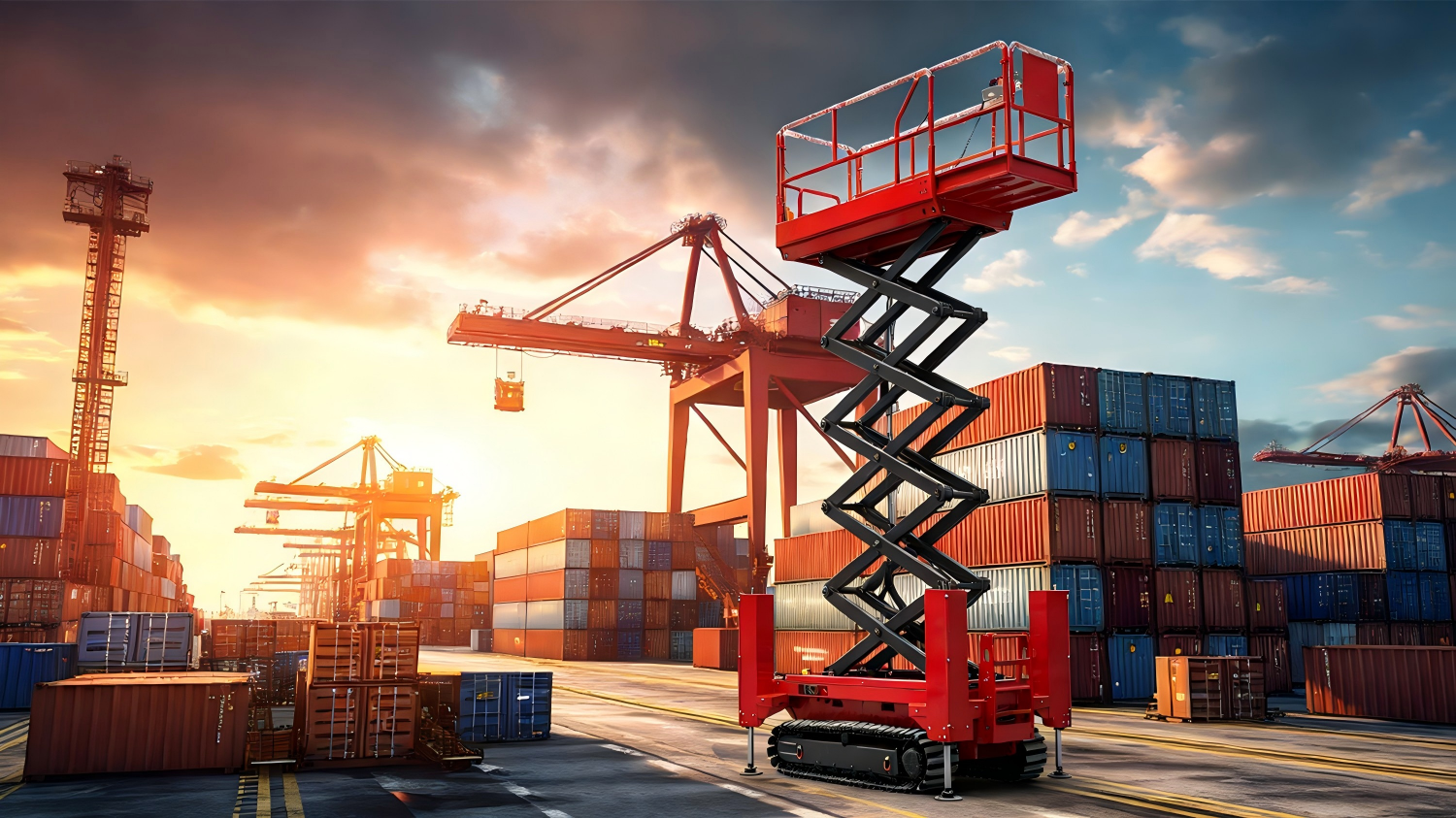
Tip-over accidents remain among the most dangerous hazards associated with scissor lift operation and frequently result from preventable mistakes rather than equipment defects. Common contributing factors include operating on uneven or unstable ground, exceeding the rated platform capacity, traveling too quickly, making sudden turns, using the lift in excessive wind, driving across steep slopes, failing to inspect tires, or ignoring tilt alarms. Preventing tip-overs begins with selecting appropriate equipment for the jobsite, verifying that ground conditions can safely support the machine, and respecting all manufacturer limitations regarding slope angles and wind speeds. Operators should avoid potholes, debris, curbs, floor openings, and other obstacles capable of destabilizing the machine while maintaining slow, controlled movements during travel. Rough-terrain scissor lifts equipped with four-wheel drive and oscillating axles should only be used within their designed operating limits, and outriggers should always be deployed when required by the manufacturer. Modern safety technologies such as tilt sensors, automatic shutdown systems, and load monitoring devices provide valuable protection but should never replace proper operator judgment and careful planning.
11. Electrical Safety and Power Line Clearance
Electrical hazards continue to cause serious injuries and fatalities during scissor lift operations, making proper hazard recognition essential for OSHA compliance. Operators should identify all nearby energized power lines before raising the platform and maintain the required minimum approach distances specified by OSHA and the equipment manufacturer. Because electrical current can arc through the air, workers should always treat overhead conductors as energized unless confirmed otherwise by the utility company. Indoor electrical hazards such as exposed wiring, energized equipment, and temporary construction power should also be evaluated before work begins. Battery-powered scissor lifts require safe charging procedures, including adequate ventilation, proper charger use, inspection of cables and connectors, and elimination of ignition sources that could ignite hydrogen gas generated during charging. Maintenance personnel should follow lockout/tagout procedures whenever servicing electrical systems to prevent unexpected equipment energization. By recognizing electrical hazards before work begins and maintaining safe clearances throughout operation, employers can significantly reduce one of the most severe categories of workplace accidents.
12. Emergency Procedures and Rescue Planning
OSHA expects employers to develop emergency procedures before workers begin operating scissor lifts because rapid, organized responses can greatly reduce injury severity during unexpected incidents. Every worksite should establish emergency lowering procedures, designate responsible personnel, provide effective communication systems, identify rescue equipment, and ensure workers understand how to respond to equipment malfunctions, medical emergencies, severe weather, or power failures. Operators should be familiar with both primary and emergency lowering controls and know how to safely evacuate the platform if normal controls fail. Rescue plans should prioritize worker safety without exposing additional personnel to unnecessary hazards, and supervisors should ensure emergency responders can quickly access the work area if needed. Following any incident, equipment should be removed from service until thoroughly inspected and repaired by qualified personnel, while accident reports and investigations should identify root causes and corrective actions. Regular emergency drills improve preparedness and reinforce safe responses that may ultimately save lives during real emergencies.
13. Maintenance and OSHA Compliance
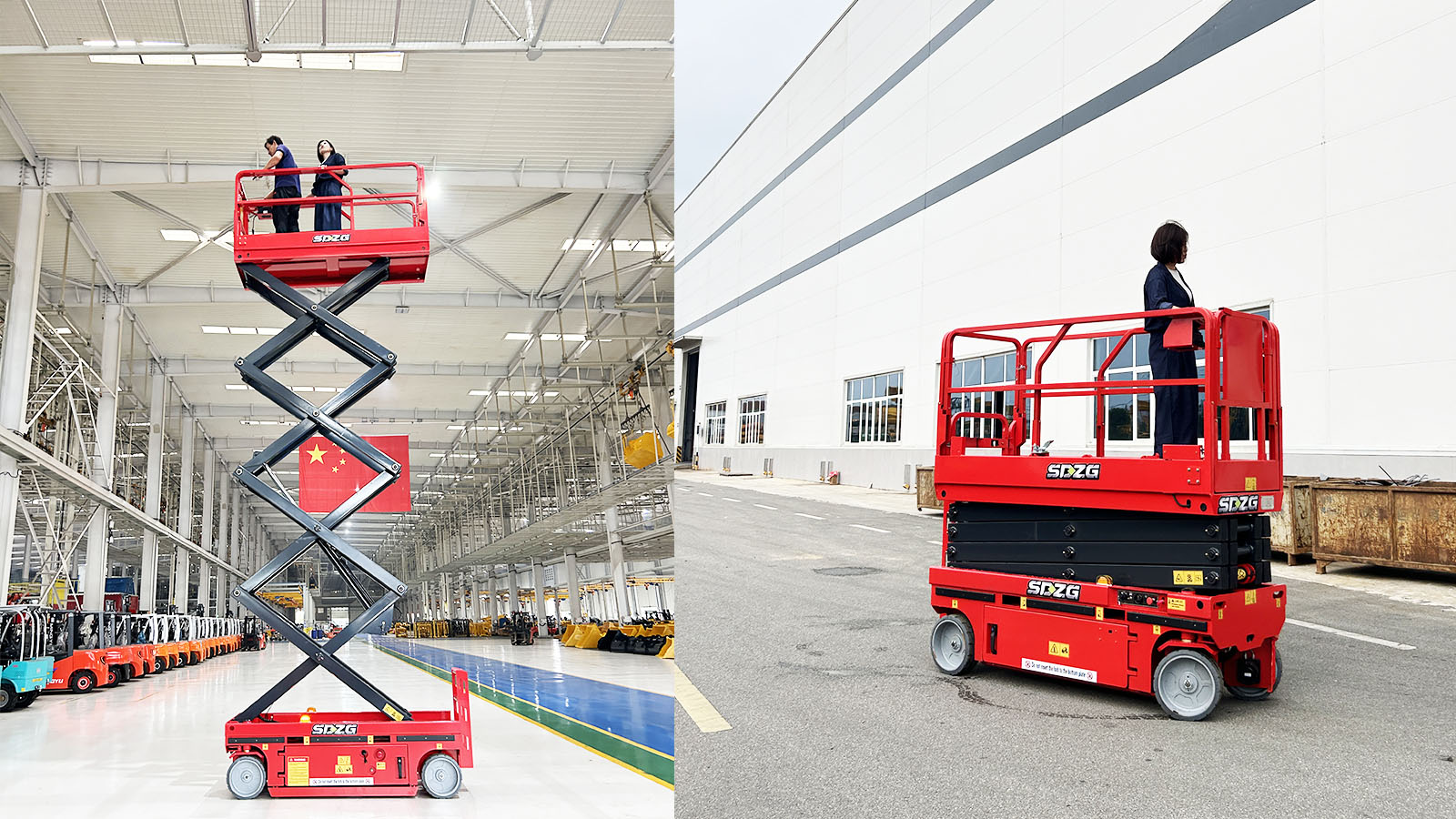
Preventive maintenance is essential for ensuring long-term scissor lift reliability and OSHA compliance because even well-trained operators cannot safely use poorly maintained equipment. Employers should establish maintenance schedules based on manufacturer recommendations and operating conditions, including routine lubrication, hydraulic inspections, battery servicing, tire replacement, structural examinations, functional testing, and replacement of worn components before failure occurs. Maintenance activities should be performed only by qualified technicians using approved replacement parts that maintain the machine's original safety performance. Accurate maintenance records documenting inspections, repairs, parts replacement, service intervals, and equipment modifications provide valuable evidence of compliance during OSHA inspections and help identify recurring mechanical issues before they become serious safety hazards. Equipment exhibiting hydraulic leaks, structural damage, malfunctioning controls, defective brakes, damaged guardrails, or warning system failures should immediately be removed from service until repairs have been completed and verified. A comprehensive preventive maintenance program extends equipment lifespan, reduces downtime, lowers repair costs, and most importantly protects workers from avoidable mechanical failures.
14. Common OSHA Violations Involving Scissor Lifts
Many OSHA citations involving scissor lifts result from management failures rather than isolated operator mistakes, making proactive safety programs essential for compliance. Frequently cited violations include inadequate operator training, failure to conduct documented pre-use inspections, operating damaged equipment, exceeding platform capacity, failing to assess workplace hazards, improper maintenance, missing or damaged guardrails, unsafe travel while elevated, inadequate fall protection practices, and failure to protect workers from electrical hazards. Additional violations often involve allowing unauthorized personnel to operate equipment, ignoring manufacturer instructions, failing to establish rescue procedures, or continuing to use machines known to have mechanical defects. OSHA inspectors routinely review operator training records, maintenance documentation, inspection checklists, workplace hazard assessments, and observe equipment operation to verify compliance. Companies that emphasize continuous training, regular supervision, preventive maintenance, and employee accountability are far less likely to experience accidents or receive costly OSHA citations.
15. Best Practices Beyond OSHA Minimum Requirements
While meeting OSHA requirements establishes a solid foundation for workplace safety, many leading companies choose to exceed minimum compliance standards by implementing comprehensive safety management systems that further reduce operational risks. Best practices include using digital inspection applications that automatically document daily equipment checks, installing fleet telematics systems to monitor machine performance, scheduling preventive maintenance through computerized maintenance management software, conducting regular toolbox talks focused on elevated work hazards, implementing near-miss reporting programs, evaluating operator competency periodically, and performing routine supervisor safety audits. Organizations also benefit from establishing clear communication procedures, encouraging employee participation in hazard identification, recognizing safe work performance, and continuously reviewing accident trends to identify opportunities for improvement. Investing in advanced safety technologies and ongoing workforce education not only improves OSHA compliance but also increases equipment reliability, enhances productivity, reduces insurance costs, and creates a workplace culture where safety becomes an integral part of every operation rather than simply a regulatory requirement.
16. Choosing OSHA-Compliant Scissor Lifts
Selecting the appropriate scissor lift for specific jobsite conditions is one of the most effective ways to improve safety, efficiency, and regulatory compliance. Buyers should evaluate working height requirements, platform capacity, indoor or outdoor operating conditions, terrain characteristics, power source, maneuverability, maintenance accessibility, and built-in safety features before purchasing or renting equipment. Modern OSHA-compliant scissor lifts often include advanced technologies such as tilt sensors, automatic pothole protection systems, emergency lowering controls, emergency stop buttons, load sensing systems, non-slip platform surfaces, self-closing entry gates, onboard diagnostic systems, proportional controls, and maintenance reminders that help reduce operator error and improve reliability. Electric models are generally preferred for indoor environments because of their quiet operation and zero emissions, while diesel rough-terrain lifts offer greater performance on construction sites with uneven ground. Choosing equipment from reputable manufacturers that provide comprehensive operator manuals, technical support, replacement parts availability, and regular software or safety updates helps ensure long-term compliance and dependable performance throughout the machine's service life.
17. Frequently Asked Questions
Many employers and operators have questions regarding OSHA's scissor lift requirements, particularly concerning operator qualifications, inspections, fall protection, and safe operating practices. OSHA does not issue an official scissor lift operator license, but employers must ensure every operator receives appropriate training and demonstrates competency before authorization. Daily pre-use inspections should always be completed before each work shift, while preventive maintenance should follow manufacturer recommendations. Scissor lifts may only be driven while elevated if specifically approved by the manufacturer and only under safe operating conditions on level, stable surfaces. Guardrail systems generally provide adequate fall protection under OSHA requirements, although additional personal fall protection may be necessary depending on specific workplace hazards or employer policies. Outdoor operation should never exceed the manufacturer's maximum allowable wind speed, and operators should immediately stop work if weather conditions become unsafe. During OSHA inspections, employers should be prepared to present operator training records, maintenance documentation, inspection reports, hazard assessments, and evidence demonstrating that equipment is maintained and operated according to applicable regulations and manufacturer recommendations.
18. Conclusion
Operating a scissor lift safely in 2026 requires far more than simply knowing how to raise and lower the platform. OSHA expects employers to implement comprehensive safety programs that combine proper operator training, documented inspections, preventive maintenance, workplace hazard assessments, emergency preparedness, and strict adherence to manufacturer operating instructions. Although modern scissor lifts incorporate advanced safety technologies such as tilt sensors, load monitoring systems, automatic pothole protection, and emergency lowering controls, these features cannot compensate for poor judgment or inadequate training. Organizations that prioritize OSHA compliance create safer workplaces, reduce injuries, improve productivity, minimize equipment downtime, lower operating costs, and strengthen employee confidence. By understanding applicable OSHA regulations, following ANSI best practices, maintaining equipment properly, and encouraging continuous safety improvement, employers can ensure that scissor lifts remain one of the safest and most efficient solutions for working at height while protecting both their workforce and their long-term business success.
Post time:Jul.16.2026
