
When navigating the demanding environments of construction sites, agriculture, or heavy industry, two machines often stand out as potential solutions for material handling: the traditional rough terrain material handler and the telescopic handler, commonly known as a telehandler. While both are engineered to operate on unpaved, uneven ground and share a rugged appearance, their fundamental design philosophies and core purposes diverge significantly. The traditional handler is, in essence, a heavy-duty workhorse built for outdoor conditions, featuring a robust, vertical mast equipped with forks that primarily move up and down. This design prioritizes straightforward, powerful lifting and transporting of heavy, often palletized, loads over short to medium distances directly in front of the machine. Its stability is paramount, with a low center of gravity and a wide stance to safely manage loads on slopes and rough ground. In stark contrast, the telehandler is defined by its telescoping boom, an articulated arm that extends forward and upward. This single feature transforms it from a simple transporter into a multi-directional placement tool. The telehandler's primary capability is not just to lift, but to reach—over obstacles, into confined spaces, and to heights far beyond the machine's own footprint. This fundamental distinction between vertical lifting with direct transport and three-dimensional reach-based placement underpins every aspect of their comparison, from their operational mechanics to their ideal job site applications.
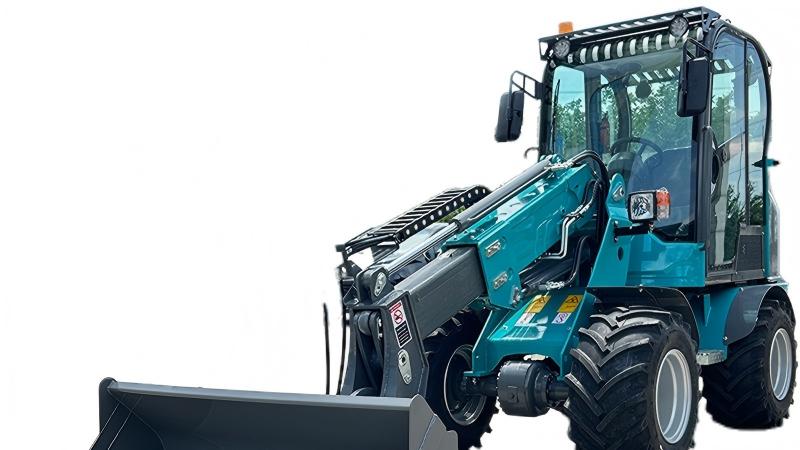
Delving deeper into their capabilities reveals how these design differences translate into specific performance metrics and operational envelopes. A traditional rough terrain handler is typically rated by its lift capacity at a standard load center and its maximum lift height, which usually remains within a modest range, often not exceeding 20 to 30 feet. Its power is channeled into raw lifting force and traction, featuring heavy-duty axles, large lug tires, and a drivetrain built for durability under constant load stress. The machine excels in repetitive cycles where the path from pick-up to deposit is relatively direct and accessible. The telehandler, however, operates within a more complex set of parameters defined by its boom. Its most critical specifications are its maximum lift capacity and, more importantly, its rated capacity at maximum forward reach. A telehandler might have a substantial base capacity, but this decreases dramatically as the boom extends, a relationship meticulously detailed in its mandatory load chart. This chart is the cornerstone of safe operation, dictating the exact weight allowed for every possible combination of boom angle and extension. Furthermore, telehandlers are characterized by impressive forward reach, often between 15 to 60 feet, and lift heights that can reach 70 feet or more. They frequently boast advanced features like four-wheel drive, multiple steering modes for tight spaces, and a sophisticated hydraulic system that supports a vast array of interchangeable attachments, from buckets and sweepers to work platforms and winches, cementing its role as a versatile tool carrier.
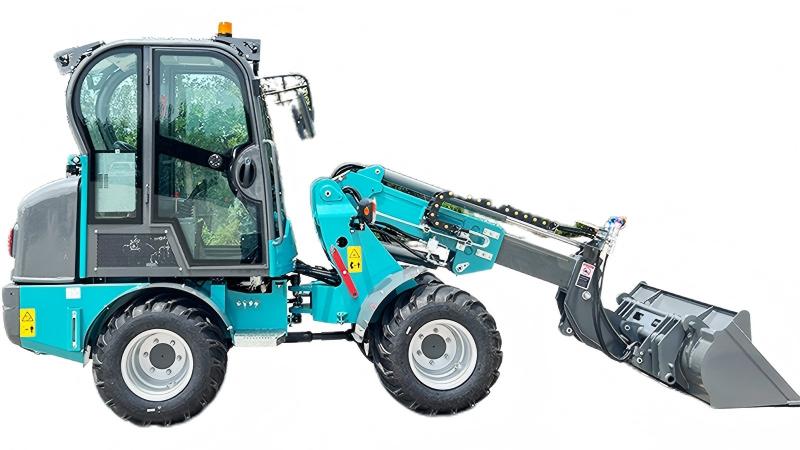
The practical application of these machines on a job site clearly demarcates their respective domains of superiority. The traditional rough terrain material handler reigns supreme in settings that demand high-volume, repetitive vertical lifting and point-to-point transport over challenging but navigable ground. Think of a masonry supply yard moving pallets of blocks, a lumberyard handling bundles of timber, or a pipeline project transporting heavy components along a right-of-way. Its efficiency shines in logistics and staging operations where materials are moved from a delivery vehicle to a nearby work area. The telehandler, conversely, is the undisputed champion of dynamic, multi-task environments like commercial construction sites, large farmsteads, and industrial maintenance facilities. Its ability to place loads precisely where needed, not just where the machine can drive, is revolutionary. It can unload a truck and then place materials on the second or third floor of a structure from a single ground position, feed materials into a processing hopper from a safe distance, stack hay bales in the peak of a barn, or enable workers via a personnel platform to access overhead work. Its value lies in solving spatial problems, reducing the need for multiple pieces of equipment, and working safely around obstacles and congested areas.
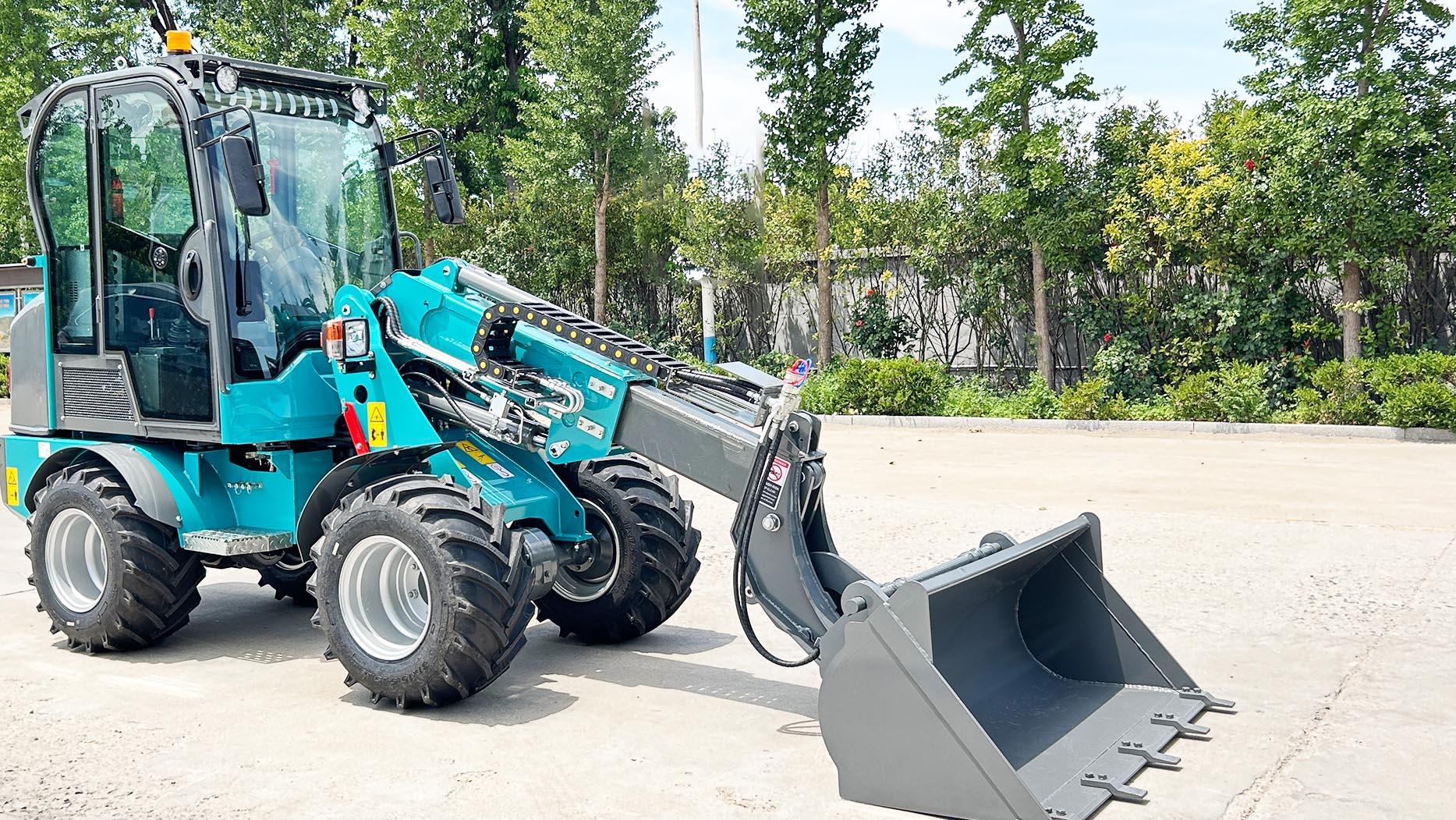
The decision between a traditional handler and a telehandler ultimately hinges on a careful analysis of specific project requirements, total cost of ownership, and safety considerations. Financially, telehandlers generally command a higher initial purchase price and may have higher maintenance costs due to their complex boom and hydraulic systems. However, this investment can be offset by their incredible versatility, potentially replacing the need for a small crane, a loader, and a vertical lift machine. Traditional rough terrain handlers offer a lower entry cost and, as mechanically simpler devices, often present lower long-term operating costs, providing excellent value for dedicated, high-cycling tasks. From a safety perspective, while both machines require trained operators, the telehandler presents unique risks. Safe operation is entirely dependent on constant reference to the load chart to prevent catastrophic tip-overs from overloaded booms. Additional hazards include instability when traveling with a lifted load, collisions with overhead structures, and the specific, stringent protocols required when using personnel platforms. The traditional handler’s risks are more centered on load security, travel stability on slopes, and operating within its rated capacity. Therefore, the choice is not about which machine is universally better, but which is the optimal tool for the specific task matrix. Assessing the typical load weights, required placement heights and reaches, site terrain and congestion, and operator expertise will clearly guide the selection toward the powerful, focused efficiency of the traditional rough terrain material handler or the adaptable, multi-functional capability of the telescopic handler.
Post time:Dec.30.2025
