
Navigating the regulatory landscape of workplace safety, particularly regarding powered industrial trucks, is a critical responsibility for employers across industries. A central question that arises with considerable frequency is: How often does forklift certification need to be renewed according to OSHA? The answer, directly from the Occupational Safety and Health Administration's standard 1910.178(l), is not defined by a simple, universal expiration date like a driver's license. Instead, OSHA mandates that operator training and evaluation must be renewed at least once every three years. However, this triennial renewal is a minimum baseline, not a rigid maximum period. The regulation is fundamentally performance and circumstance-driven. The three-year clock is a backstop, ensuring that even an operator with no incidents undergoes a formal refresher. But the requirement for re-evaluation can be triggered much sooner based on specific workplace events. This initial framework underscores OSHA’s intent: certification is not a one-time event but a component of an ongoing, dynamic safety program. The employer’s duty is to ensure that each operator is competent to operate a powered industrial truck safely, as demonstrated through formal instruction, practical training, and a rigorous evaluation of that individual’s performance. The three-year renewal period is thus the outer limit under ideal conditions, but the standard builds in multiple provisions that demand more immediate attention to an operator’s certification status, placing the onus of vigilant oversight squarely on the employer.
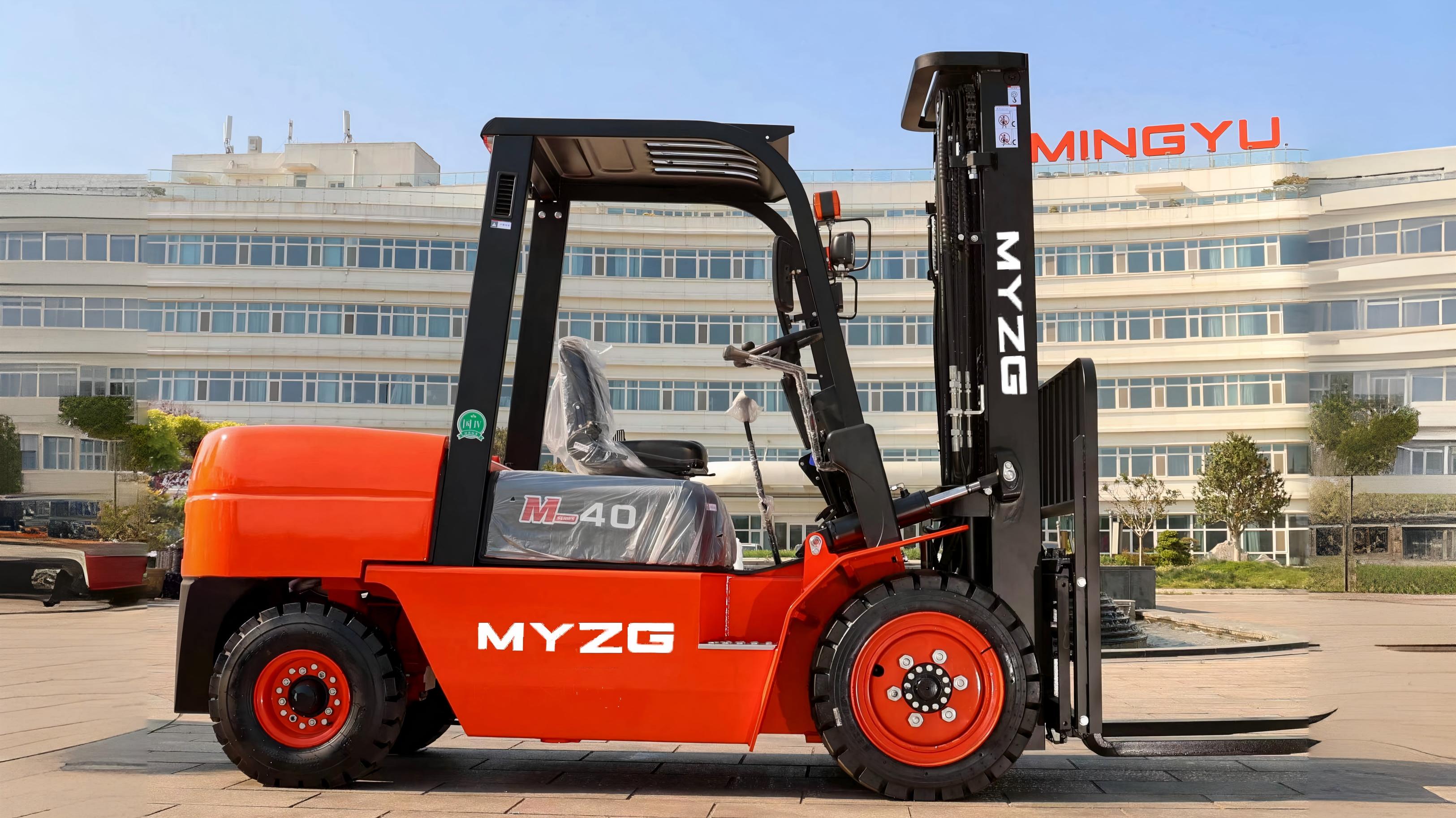
The conditions that necessitate renewal or re-evaluation before the three-year mark are clearly outlined by OSHA and form the core of a proactive safety strategy. First and foremost, if an operator is observed operating the vehicle in an unsafe manner, recertification must occur immediately. This observation could come from a supervisor, a safety audit, or through investigation of a near-miss incident. Second, if an operator is involved in an accident or a near-miss while operating a forklift, a re-evaluation of their knowledge and skills is required. Third, if an operator is assigned to drive a different type of truck—for example, transitioning from a cushion-tire warehouse forklift to a rough-terrain forklift or an order picker—they must receive additional training and evaluation specific to that new equipment. Fourth, and critically, if workplace conditions change in a way that could affect safe operation—such as new floor layouts, altered racking systems, introduction of different types of loads, or changes in traffic patterns—operators must be trained on these new conditions. In all these scenarios, waiting for the three-year anniversary is non-compliant. The employer must document both the triggering event and the subsequent retraining and re-evaluation. This approach transforms certification from a passive record-keeping exercise into an active management tool, directly linking training refreshers to real-world performance and environmental changes, thereby fostering a culture of continuous safety improvement.
The process of recertification itself is as substantive as the initial certification. It cannot be a mere formality or a simple video review. OSHA requires that the renewal process includes a reevaluation of the operator’s performance. This typically involves both a knowledge check and a practical skills assessment. The knowledge portion should cover key areas from the initial training, such as truck operations, load handling, stability principles, and site-specific rules. The practical evaluation must be conducted in the workplace or a simulated environment that reflects actual working conditions. The evaluator, who must have the necessary knowledge and experience, observes the operator performing standard tasks, looking for adherence to safety protocols, control proficiency, and awareness of surroundings. Importantly, if the recertification is triggered by poor performance or an incident, the retraining must specifically address the deficiencies observed. Documentation is paramount; the employer must maintain a record certifying the name of the operator, the date of training, the date of evaluation, and the identity of the person(s) performing the training or evaluation. This record is proof of compliance during OSHA inspections. Many companies choose to implement annual refresher courses or safety meetings as a best practice, even without a triggering event, to reinforce concepts and prevent the degradation of skills, ensuring that when the mandatory three-year evaluation arrives, operators are well-prepared and safety standards are consistently upheld.
Beyond strict compliance, understanding the rationale behind OSHA’s renewal structure highlights its importance for risk management and operational excellence. Forklifts are involved in a disproportionately high number of serious workplace injuries and fatalities, often due to tip-overs, struck-by incidents, or falls. The cyclical renewal requirement is designed to combat complacency, reinforce muscle memory for safe practices, and update operators on evolving best practices. For employers, a robust recertification program is a powerful legal and financial safeguard, potentially reducing insurance premiums and workers' compensation claims. It also minimizes costly downtime from accidents and damage to inventory and infrastructure. Ultimately, the question of renewal frequency is best answered not by looking for the maximum interval allowed, but by embracing the spirit of the OSHA standard: training must be continuous and adaptive. A culture that encourages operators to request refreshers when unsure, and where supervisors regularly monitor and coach, will naturally satisfy and often exceed the three-year rule. Therefore, while OSHA stipulates "at least every three years," the most effective safety programs treat forklift competency as a living credential, maintained through ongoing engagement, thereby protecting employees, assets, and the organization’s bottom line.
Post time:Dec.29.2025
