
How to Run a Backhoe: Complete Beginner-to-Pro Operator Guide
1. Introduction
Operating heavy machinery requires both technical knowledge and practical skill. One of the most versatile machines used in construction, agriculture, and excavation work is the backhoe loader.
A backhoe is widely used for digging trenches, lifting materials, loading trucks, and performing a variety of earthmoving tasks. However, despite its usefulness, improper operation can lead to safety risks, equipment damage, and reduced productivity.
In this guide, we will explain how to run a backhoe step by step, from basic controls to advanced digging techniques, helping beginners and operators improve safety and efficiency.
2. Understanding a Backhoe Loader
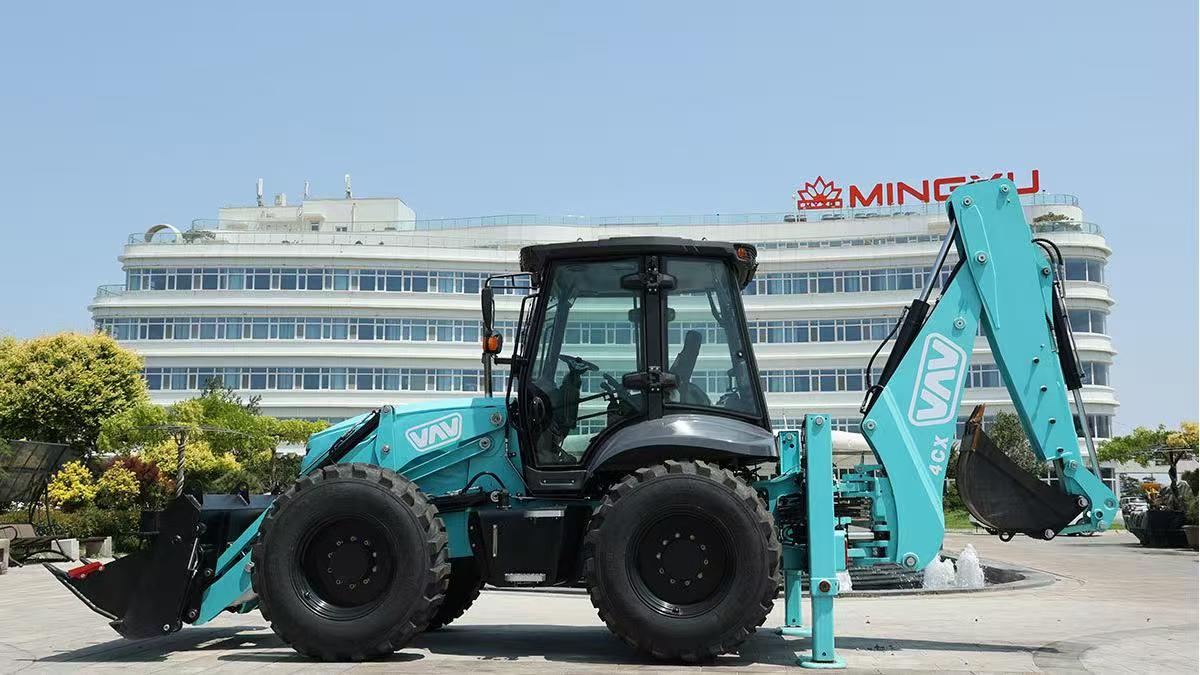
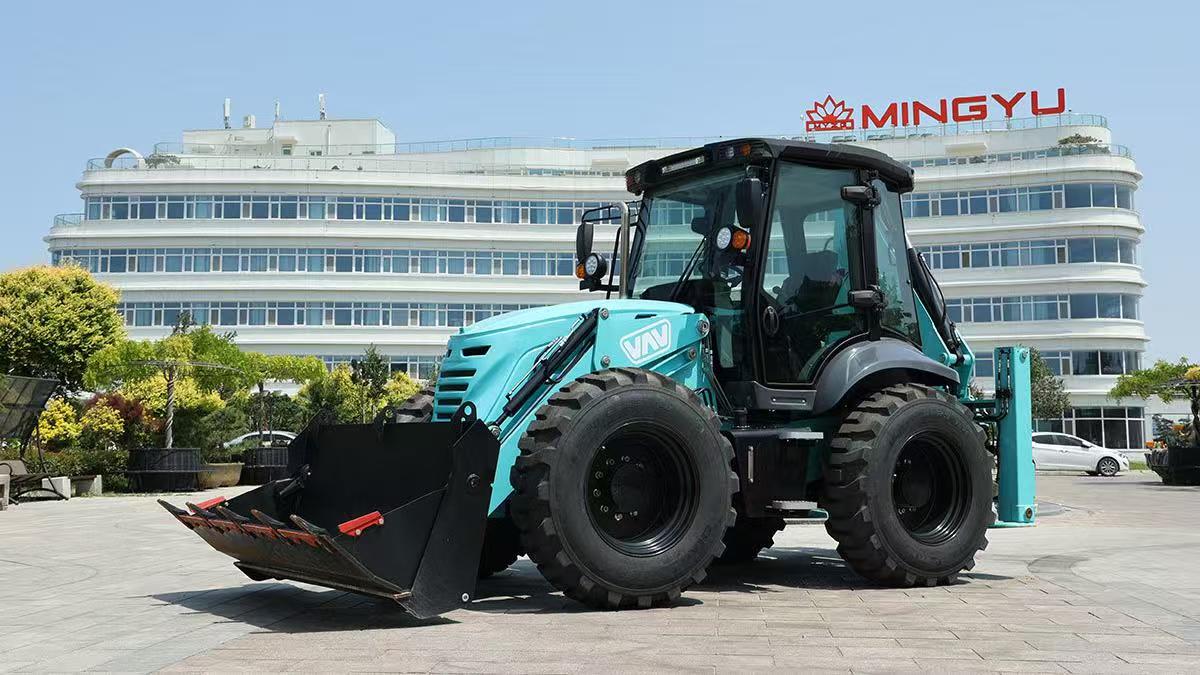
A backhoe loader is a combination machine that includes a front loader bucket and a rear digging arm.
Backhoe Loader is designed for multifunctional use, making it one of the most popular machines on construction sites.
2.1 Main Components
A backhoe consists of three key parts:
Front loader bucket: Used for lifting, carrying, and loading materials
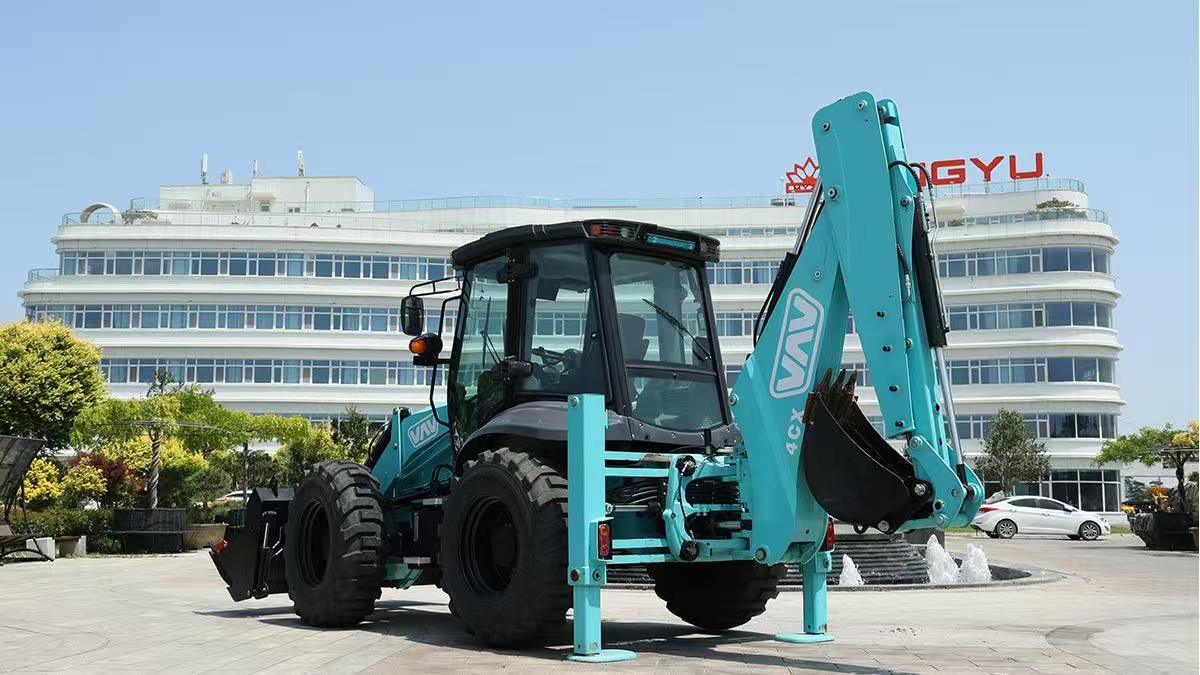
Rear backhoe arm: Used for digging and excavation
Tractor base: Provides movement and stability
2.2 How It Works
The machine operates using a hydraulic system. Hydraulic fluid is pressurized and directed through cylinders to move the boom, arm, and bucket. This system allows precise and powerful movements with minimal physical effort from the operator.
3. Safety Requirements Before Operating
Before starting a backhoe, safety preparation is essential.
3.1 Personal Protective Equipment (PPE)
Operators should always wear:
Hard hat
Safety boots
Gloves
High-visibility vest
Ear protection (if required)
3.2 Machine Inspection Checklist
Before operation, inspect:
Engine oil level
Hydraulic fluid level
Fuel level
Tire condition or track condition
Hydraulic hoses for leaks or cracks
Lights, horn, and backup alarm
3.3 Worksite Safety Rules
Check for underground utilities (gas, water, electricity)
Ensure the ground is stable and level
Establish a safe working perimeter
Keep unauthorized personnel away from the machine
4. Getting Familiar with Controls
Understanding the control system is critical before operation.
4.1 Cabin Layout Overview
Inside the operator cabin, you will find:
Steering wheel
Control levers
Foot pedals
Seat with safety belt
4.2 Front Loader Controls
The front loader is controlled by a joystick or levers:
Lift and lower the bucket
Tilt forward or backward
Dump material
4.3 Backhoe Controls
The rear arm includes:
Boom control (up and down movement)
Dipper arm (in and out movement)
Bucket curl
Swing control (left and right rotation)
Smooth coordination between these controls is key to efficient digging.
5. Starting the Backhoe
Proper startup ensures safe operation.
Step-by-step process:
Enter the cabin using three-point contact
Sit properly and fasten the seatbelt
Ensure all controls are in neutral position
Start the engine using the ignition key
Allow the engine to warm up for a few minutes
Check dashboard indicators
Never operate the machine immediately after starting cold.
6. Basic Operation Techniques
6.1 Driving the Backhoe
Use the steering wheel for direction control
Control speed using accelerator and brake pedals
Avoid sudden turns at high speed
Always check surroundings before moving
6.2 Using the Front Loader
The front loader is used for:
Scooping loose material
Transporting soil, gravel, or debris
Dumping into trucks or piles
Best practice:
Keep bucket low while driving
Avoid overloading
Maintain balanced weight distribution
6.3 Using the Backhoe Arm
Rear digging operation includes:
Positioning the machine properly
Lowering stabilizers (if available)
Extending the boom into the ground
Scooping soil using controlled bucket motion
Swinging and dumping material
Precision is more important than speed.
7. Digging Techniques
7.1 Proper Positioning
Before digging:
Park on firm and level ground
Use stabilizers or outriggers if equipped
Ensure rear swing area is clear
7.2 Digging a Trench
Step-by-step:
Position the machine parallel to the trench
Extend the boom into the digging area
Lower the bucket into the soil
Pull the dipper arm toward the machine
Curl the bucket to collect material
Swing to dump area
Repeat the cycle efficiently
7.3 Handling Different Soil Types
Soft soil: Easy digging, avoid overfilling bucket
Clay soil: Requires stronger force and slower movement
Rocky soil: Use controlled shallow digs to avoid damage
8. Advanced Operating Skills
8.1 Swing and Dump Control
Efficient operators minimize swing distance to reduce cycle time. Smooth swing control improves fuel efficiency and productivity.
8.2 Working on Slopes
When working on uneven ground:
Always position uphill when possible
Avoid sudden movements
Keep load low during movement
Never exceed machine stability limits
8.3 Precision Digging
Used for:
Utility installation
Drainage systems
Pipeline trenches
Precision requires slow, controlled lever movements and proper depth control.
9. Common Mistakes to Avoid
Many accidents and inefficiencies come from operator errors:
Overloading the bucket
Digging without checking underground utilities
Working on unstable ground
Operating too fast
Ignoring machine warning signals
Poor positioning before digging
Avoiding these mistakes significantly improves safety and machine lifespan.
10. Maintenance During Operation
Good operators monitor machine condition during use:
Watch hydraulic response speed
Check for unusual noises
Monitor engine temperature
Look for oil or hydraulic leaks
Keep cab and controls clean
Early detection of issues prevents breakdowns.
11. Shutdown Procedure
Proper shutdown is as important as startup:
Park the machine on level ground
Lower front bucket and rear arm
Place all controls in neutral
Engage parking brake
Idle engine for cooling
Turn off ignition
Remove key and secure machine
Always inspect the machine after shutdown.
12. Maintenance Tips for Longevity
Regular maintenance extends machine life:
Lubricate joints and moving parts
Check hydraulic system regularly
Inspect tires or tracks
Replace worn filters
Follow scheduled servicing intervals
Keep machine clean from dirt and debris
Preventive maintenance is more cost-effective than repairs.
13. Operator Tips for Efficiency
Professional operators improve productivity through smart techniques:
Plan digging paths before starting
Reduce unnecessary machine movement
Keep cycle times consistent
Avoid full throttle when not needed
Coordinate with ground workers or truck drivers
Use both loader and backhoe efficiently
Small improvements in technique can significantly increase output.
14. Conclusion
Learning how to run a backhoe requires more than just basic control knowledge—it demands safety awareness, practice, and attention to detail.
From startup procedures to advanced digging techniques, every step contributes to safer and more efficient operation. Whether you are a beginner or an experienced operator, continuous learning and proper maintenance are essential.
By mastering these skills, operators can maximize productivity, reduce risks, and extend the lifespan of the machine while performing a wide range of construction and excavation tasks efficiently.
Post time:Apr.10.2026
