
What Is a Loading Wheel Called? A Complete Guide to Terminology, Types, and Uses
1. Introduction
In the world of construction, warehousing, and material handling, understanding the correct terminology for equipment parts is essential. Whether you are buying machinery, communicating with suppliers, or maintaining equipment, using the right terms can save time, reduce misunderstandings, and improve efficiency.
One commonly asked question is: what is a “loading wheel” called? While this phrase may seem straightforward, it is not actually a standard technical term. Instead, it can refer to several different types of wheels depending on the machine and application.
In this comprehensive guide, we will break down the meaning of “loading wheel,” explore the correct terminology, and explain the different types of wheels used in loading equipment.
2. Understanding the Term “Loading Wheel”
The phrase “loading wheel” is often used informally by operators, buyers, or new users in the industry. However, manufacturers and professionals rarely use this exact term.
In most cases, “loading wheel” refers to a wheel involved in supporting or moving a load. The exact name depends on:
The type of equipment
The position of the wheel
Its specific function
For example, someone referring to a forklift might mean the load wheel, while in a wheel loader, they are likely talking about the tire.
Because of this ambiguity, it is important to understand the correct terminology used in different contexts.
3. Common Names for a Loading Wheel
3.1 Loader Tire
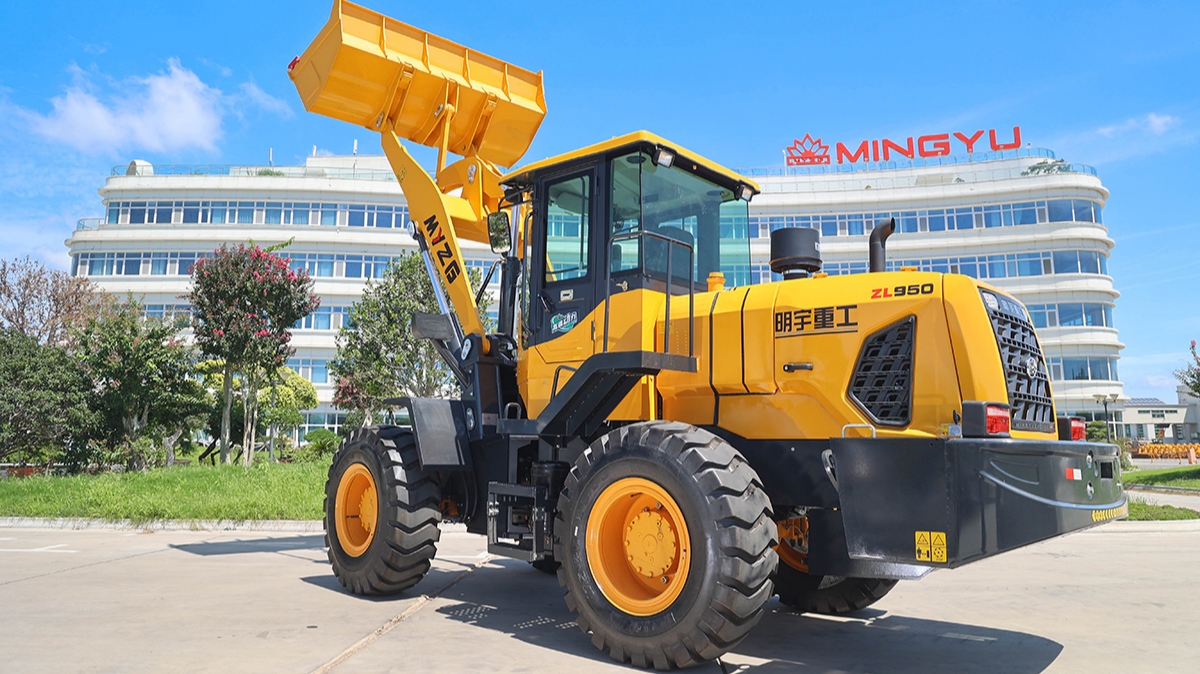
The most common meaning of a “loading wheel” is the loader tire, especially in heavy equipment like wheel loaders.
Loader tires are:
Large, heavy-duty rubber tires
Designed for rough terrain
Built to carry heavy loads
They provide traction, stability, and durability in demanding environments such as construction sites, mines, and quarries.
3.2 Drive Wheel
A drive wheel is a wheel that receives power from the machine’s engine or motor. Its main function is to move the equipment forward or backward.
Key features:
Connected to the drivetrain
Responsible for propulsion
Found in forklifts, loaders, and other machinery
Drive wheels are critical for mobility and performance.
3.3 Idler Wheel
An idler wheel does not provide power but helps guide or support movement. It is more common in tracked equipment, such as track loaders.
Functions include:
Maintaining track alignment
Supporting weight distribution
Reducing wear on tracks
Although not always associated with “loading wheels,” they still play a role in load-bearing systems.
3.4 Caster Wheel
In smaller equipment, such as carts or light-duty material handling tools, the term may refer to a caster wheel.
Caster wheels:
Rotate freely (360 degrees)
Allow easy maneuverability
Are common in warehouses and workshops
4. Wheels in Different Types of Loading Equipment
4.1 Wheel Loaders
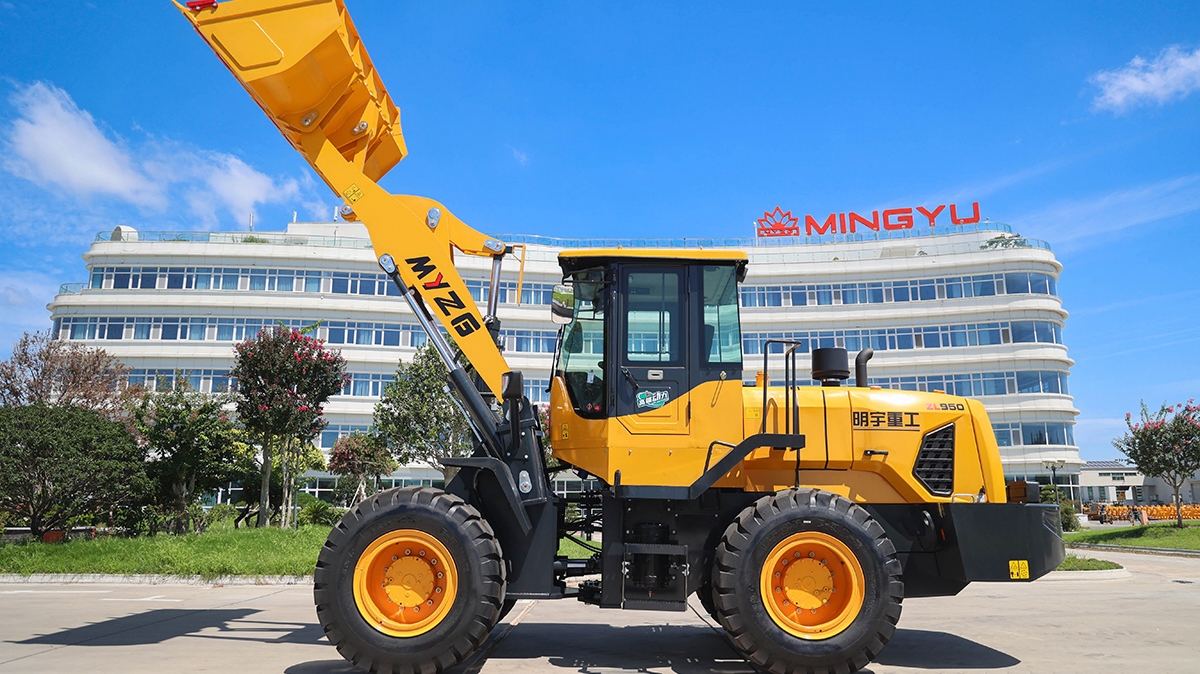
Wheel loaders use large pneumatic or solid tires designed for heavy-duty applications.
These wheels:
Support the entire machine and load
Provide traction on uneven terrain
Absorb shocks during operation
In this case, “loading wheel” almost always means loader tire.
4.2 Skid Steer Loaders
Skid steer loaders have a unique wheel configuration:
Typically four wheels
Each side moves independently
Their wheels are:
Durable and compact
Designed for tight turning
Here, “loading wheel” may refer to the drive wheels or tires.
4.3 Forklifts
Forklifts have two main types of wheels:
Drive wheels – provide movement
Load wheels – support the load
Load wheels are usually located under the forks and carry the weight of the lifted goods.
4.4 Pallet Jacks and Stackers
In smaller equipment like pallet jacks:
Load wheels are small wheels under the forks
Steering wheels are larger and used for control
In this context, “loading wheel” most commonly refers to load wheels.
5. Key Functions of Loading Wheels
Regardless of the exact name, all loading wheels serve several essential functions:
Load Support
They carry the weight of materials and the machine itself.
Mobility
They allow equipment to move efficiently across different surfaces.
Stability
They help maintain balance during lifting and transport.
Shock Absorption
Certain types of wheels reduce vibration and impact, protecting both the machine and the operator.
6. Types of Loading Wheels by Material
6.1 Rubber Tires
Flexible and shock-absorbing
Suitable for outdoor use
Provide good traction
6.2 Polyurethane Wheels
Common in warehouses
Resistant to wear and chemicals
Offer smooth and quiet operation
6.3 Solid Tires
Puncture-proof
Extremely durable
Ideal for harsh environments
6.4 Pneumatic Tires
Air-filled for better cushioning
Suitable for rough terrain
Provide excellent grip
7. Differences Between Load Wheels and Drive Wheels
Understanding the difference between load wheels and drive wheels is crucial:
|
Feature |
Load Wheels |
Drive Wheels |
|
Function |
Support weight |
Provide movement |
|
Location |
Under forks or load area |
Connected to motor/engine |
|
Power Source |
Not powered |
Powered |
|
Common Use |
Forklifts, pallet jacks |
Forklifts, loaders |
In simple terms:
Load wheels carry the load
Drive wheels move the machine
8. How to Choose the Right Loading Wheel
Selecting the correct wheel depends on several factors:
Load Capacity
Always ensure the wheel can handle the required weight.
Surface Type
Smooth floors → polyurethane
Rough terrain → pneumatic or rubber
Environment
Consider:
Indoor vs. outdoor use
Exposure to chemicals or moisture
Durability
Choose materials that match your workload and usage frequency.
9. Common Problems with Loading Wheels
Like any mechanical component, loading wheels can develop issues:
Wear and Tear
Over time, wheels degrade due to friction and heavy use.
Punctures
Pneumatic tires are vulnerable to sharp objects.
Flat Spots
Caused by prolonged static loads.
Misalignment
Leads to uneven wear and reduced performance.
10. Maintenance Tips for Loading Wheels
Proper maintenance extends the life of your equipment:
Inspect regularly for cracks, wear, or damage
Maintain proper inflation for pneumatic tires
Clean wheels to remove debris
Replace worn-out wheels promptly
Routine maintenance ensures safety and efficiency.
11. Industry Terminology and Variations
Different industries and regions may use varying terms for similar components.
For example:
“Load roller” instead of load wheel
“Tire” vs. “wheel” in heavy equipment
Informal terms like “loading wheel”
Understanding these variations helps improve communication with global clients and suppliers.
12. Conclusion
So, what is a “loading wheel” called?
The answer depends on the context. While “loading wheel” is not a formal technical term, it typically refers to one of the following:
Loader tire (in heavy machinery)
Load wheel (in forklifts and pallet jacks)
Drive wheel (when referring to movement)
Using the correct terminology is essential for clear communication, proper maintenance, and efficient purchasing decisions.
By understanding the different types of wheels, their functions, and their applications, you can make better choices and ensure your equipment operates at its best.
Post time:Apr.10.2026
