
In the modern world of material handling, the battery is the heart of your electric fleet. Whether you are operating a high-tech MINGYU lithium-ion forklift or a heavy-duty MYZG electric model, the battery often represents a significant portion of the machine's total value. Proper maintenance is not just about avoiding immediate breakdowns; it is about protecting your investment and ensuring that your operational costs remain low over the long term. As we move through 2026, the technology behind industrial batteries has evolved, but the core principles of disciplined care remain the same. Here is how you can ensure your forklift battery reaches—and even exceeds—its expected lifespan.
Understanding Your Battery Type: Lead-Acid vs. Lithium-Ion
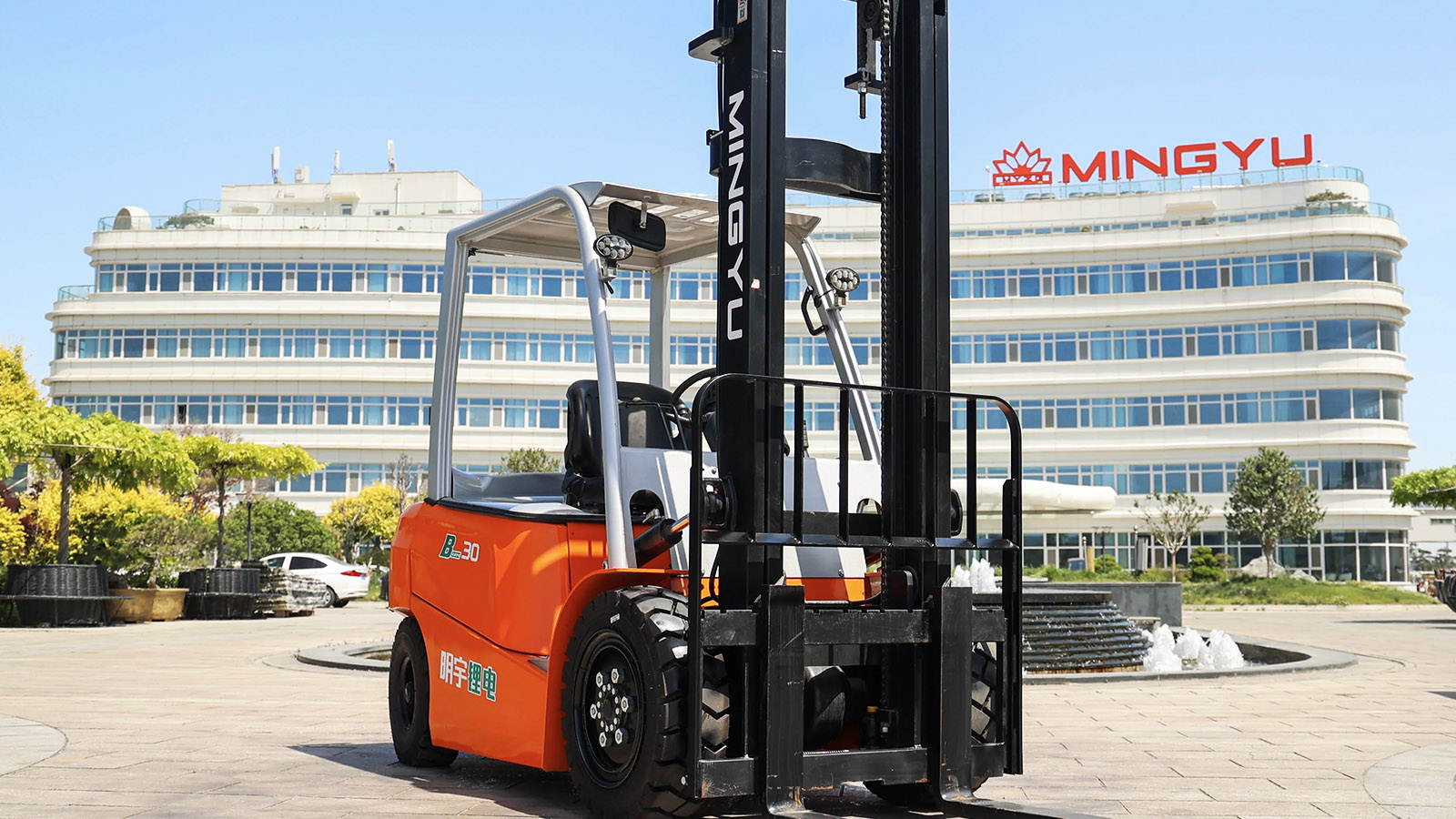
Before diving into maintenance routines, it is crucial to distinguish between the two primary types of batteries used in the MYZG and MINGYU forklift lines. Traditional lead-acid batteries are the "marathon runners" of the industry, requiring diligent watering and specific charging cycles. On the other hand, the newer MINGYU lithium-ion series represents a "Genetic Transformation" in energy storage, offering virtually maintenance-free operation but still requiring smart charging habits to maintain cell health.
Master the Art of Charging
The most common cause of premature battery failure is improper charging. For traditional lead-acid batteries found in some MYZG models, the rule is "8-8-8": eight hours of use, eight hours of charging, and eight hours of cooling. Never interrupt a charging cycle for a lead-acid battery, as this contributes to "sulfation," which permanently reduces capacity.
For the modern MINGYU lithium-ion forklift, the rules are different. Lithium batteries thrive on "opportunity charging." This means you can—and should—plug the machine in during lunch breaks or short periods of downtime. However, to maximize the lifespan of lithium cells, it is generally recommended to keep the charge level between 20% and 80%. Avoiding a total discharge (0%) is critical, as a deep discharge can sometimes trigger a safety shutdown that requires professional service to reset.
The Importance of Water (For Lead-Acid Units)
If your MYZG forklift uses a lead-acid battery, checking the water level is your most important weekly task. These batteries use a chemical reaction involving sulfuric acid and water. During the charging process, some of that water evaporates. If the plates inside the battery are exposed to air, they will oxidize and lose their ability to hold a charge within days. Always use distilled or deionized water—never tap water, as the minerals in tap water can cause internal short circuits. Only add water after the battery has finished charging, as the fluid levels rise during the charging process.
Maintain Temperature Control
Extreme temperatures are the silent killers of industrial batteries. Both MYZG and MINGYU batteries perform best in moderate temperatures. If your warehouse is excessively hot, the chemical reactions inside the battery speed up, leading to a shorter overall lifespan. Conversely, in cold storage environments, a battery’s capacity can drop by as much as 30%. If you operate in extreme cold, ensure you are using a battery specifically designed for those conditions and try to charge the battery in a warmer area to ensure a full and efficient energy transfer.
Keep It Clean and Dry
Corrosion is a major enemy of electrical systems. Over time, lead-acid batteries may develop a white, powdery buildup on the terminals. This is caused by acid vapors escaping during the charging process. This buildup creates resistance, which makes the battery work harder and run hotter. Periodically cleaning the top of the battery with a neutralizing solution (like baking soda and water) will prevent this corrosion from damaging the battery cables and the forklift’s internal electronics. For MINGYU lithium batteries, simply ensuring the connection ports are free of dust and debris is usually sufficient.
Conduct Regular Inspections
A "stitch in time saves nine." Every operator should perform a quick visual inspection of the battery as part of their daily pre-shift routine. Look for frayed cables, cracked plugs, or any signs of "leaking" or "bulging" in the battery case. In the MINGYU series, the intelligent Battery Management System (BMS) will often alert you to internal issues via the digital dashboard. Do not ignore these warnings. An early intervention can prevent a small cell imbalance from turning into a total battery failure.
Equalize Your Charges (Lead-Acid Only)
If you are using traditional batteries, don't forget the "equalization" charge. This is a deliberate overcharge performed once a week or every ten cycles. It helps to balance the voltage across all the individual cells and breaks up the sulfate crystals that begin to form on the plates. Most modern MYZG chargers have an automatic equalization setting—ensure your team knows how and when to use it.
Conclusion: A Culture of Care
Maintaining a forklift battery for a longer lifespan is not a complex task, but it does require consistency. By training your operators to respect the charging protocols of their MINGYU lithium-ion units or the watering needs of their MYZG lead-acid machines, you are essentially printing money for your business. A well-maintained battery can last five to seven years, whereas a neglected one might fail in two.
In 2026, efficiency is the key to competitive success. Let the reliability of MYZG and MINGYU forklift technology work for you by giving your batteries the attention they deserve. A healthy battery means a productive warehouse and a more profitable future.
Post time:Apr.11.2026
