
How to Operate a Wheel Loader: A Beginner’s Complete Guide
Operating a wheel loader for the first time can feel intimidating, but with the right knowledge, proper safety measures, and consistent practice, it becomes one of the most versatile machines on a construction or agricultural site. Wheel loaders are essential equipment in construction, mining, landscaping, and material handling. They can move large quantities of material quickly, lift heavy loads, and perform a variety of tasks efficiently. This guide provides beginners with a step-by-step approach to operating a wheel loader safely and effectively.
1. Introduction to Wheel Loader Operation
A wheel loader is a heavy construction machine with a front-mounted bucket that can scoop, carry, and dump materials. Unlike skid steers or tracked loaders, wheel loaders have large articulated tires and a robust frame, which makes them ideal for moving materials across rough terrain and long distances.
For beginners, understanding the importance of proper operation is crucial. Improper handling can result in equipment damage, site accidents, or injury. This guide will teach you the basics of a wheel loader, including machine components, controls, safety procedures, and real-world operating techniques.
Wheel loaders are widely used in construction sites, quarries, farms, landscaping projects, and industrial yards. They are capable of performing a wide range of tasks, including loading trucks, moving dirt, grading surfaces, and transporting heavy materials efficiently.
2. Understanding Wheel Loader Components
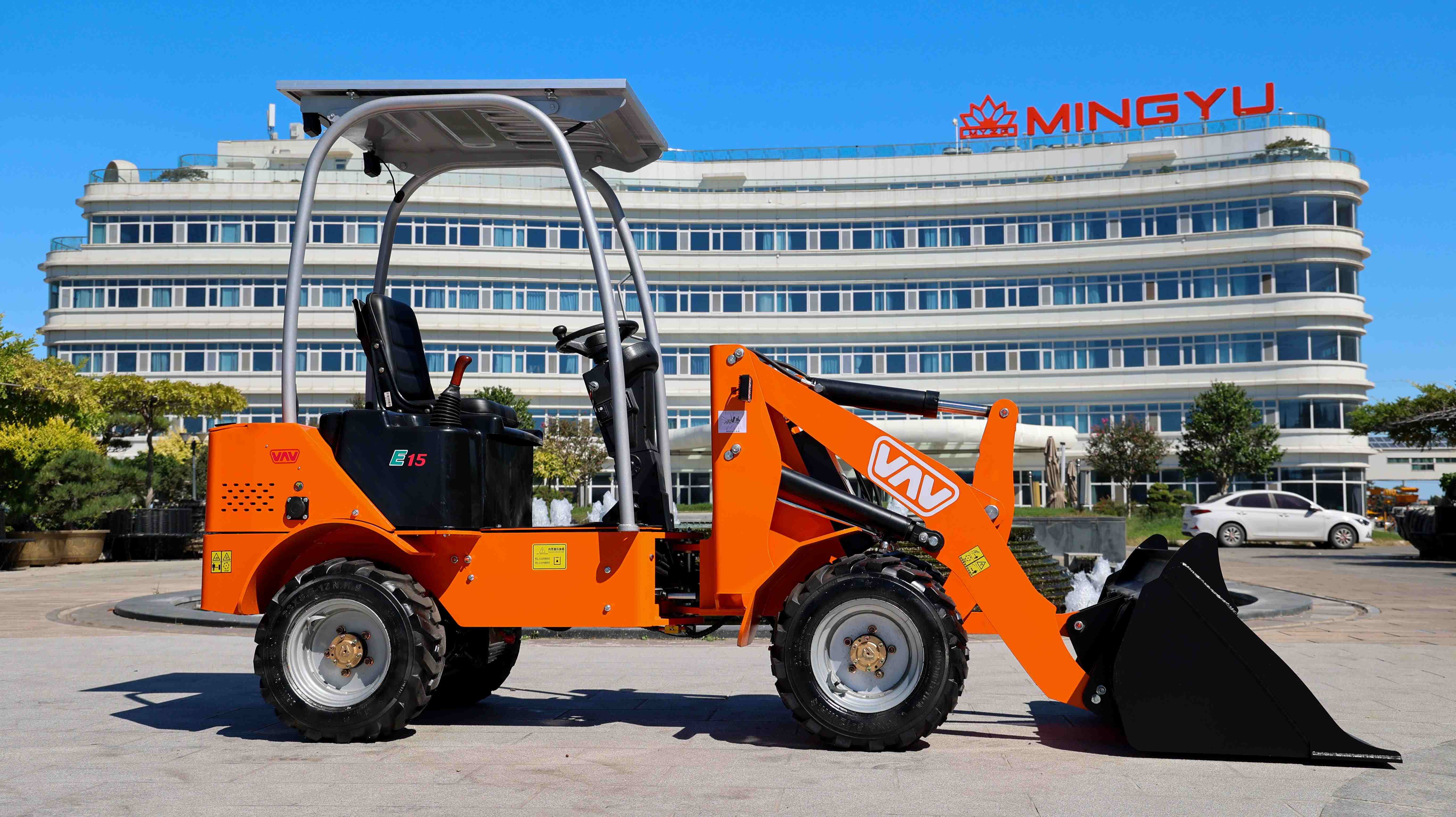
Before operating a wheel loader, it’s essential to familiarize yourself with its main components:
Cabin: The operator’s workspace, equipped with the seat, steering wheel, joysticks, pedals, and dashboard.
Engine: Typically located at the rear, powering the hydraulic system and movement.
Hydraulic System: Controls the bucket, arms, and sometimes attachments like forks or grapples.
Articulation Joint: Allows the front and rear of the machine to pivot for easier turning.
Bucket and Linkage: The primary tool for scooping, carrying, and dumping materials.
Tires: Large, durable tires provide traction and support on uneven surfaces.
Understanding each part’s function ensures you operate the machine efficiently and safely. The bucket and linkage system are particularly important, as improper use can affect load stability and tipping risk.
3. Safety Guidelines for Beginners
Safety is the most important aspect of operating a wheel loader. These machines are powerful, and accidents can happen quickly if proper precautions are ignored.
Key safety tips include:
Always wear personal protective equipment (PPE): helmet, gloves, steel-toe boots, high-visibility clothing, and eye protection.
Conduct a pre-operation inspection every day.
Ensure the work area is free of obstacles and bystanders.
Avoid carrying overweight loads, which can destabilize the machine.
Use seatbelts and lower protective bars before operating.
Be aware of overhead hazards like power lines or tree branches.
Wheel loaders have a higher risk of tipping compared to other machinery due to the heavy loads carried at the front. Always maintain a low center of gravity by keeping the bucket close to the ground while moving.
4. Pre-Operation Inspection Checklist
Before starting the wheel loader, perform a thorough inspection:
Check fluid levels: engine oil, hydraulic fluid, transmission oil, and coolant.
Inspect tires: check for wear, cuts, and proper air pressure.
Examine the bucket: check for cracks, worn edges, and secure pins.
Test controls: lights, horn, backup alarm, and indicator gauges.
Look for leaks or any loose or damaged components.
This inspection not only enhances safety but also reduces the risk of costly repairs and machine downtime.
5. How to Start a Wheel Loader
Starting the machine safely is critical:
Enter the cabin using designated handholds and steps.
Adjust the seat and mirrors for proper visibility.
Fasten the seatbelt and lower the safety bar.
Insert the ignition key or press the start button.
Allow the engine to idle for a few minutes to warm up.
Check dashboard indicators for warnings or errors.
Never rush the start-up procedure. Proper preparation ensures the machine is ready for safe operation.
6. Basic Controls Explained
Wheel loaders use a combination of steering, pedals, and joysticks:
Steering Wheel / Articulation Steering: Turns the machine by pivoting the front and rear halves.
Accelerator and Brake Pedals: Control speed and stopping.
Gear Selection: Forward, neutral, and reverse gears.
Joystick / Lever Controls: Operate the bucket’s lift, tilt, and attachments.
Auxiliary Controls: Some loaders have additional controls for forks, grapples, or snow attachments.
Take time to familiarize yourself with all controls in a safe, open area before handling materials.
7. Driving a Wheel Loader for the First Time
Beginners often find driving a wheel loader different from driving a car:
Start slowly, moving forward and backward smoothly.
Use the articulation joint to turn instead of steering only with the front wheels.
Keep the bucket low to maintain stability.
Avoid sharp turns, especially when carrying heavy loads.
On slopes, drive straight up or down, keeping the load uphill if possible.
Maintaining a safe speed and smooth movements reduces the risk of tipping or losing control.
8. Bucket Operation Techniques
Efficient bucket operation is essential:
Scooping Material: Drive forward slowly, lowering the bucket slightly, and scoop at a steady pace.
Lifting Loads: Keep the bucket low while moving to maintain stability.
Transporting: Avoid sudden movements, keep the load balanced, and maintain visibility.
Dumping Material: Raise the bucket gradually and tilt to release materials accurately.
Avoid Overloading: Do not exceed the rated capacity to prevent tipping.
Proper bucket techniques improve efficiency and reduce wear on the machine.
9. Basic Working Applications
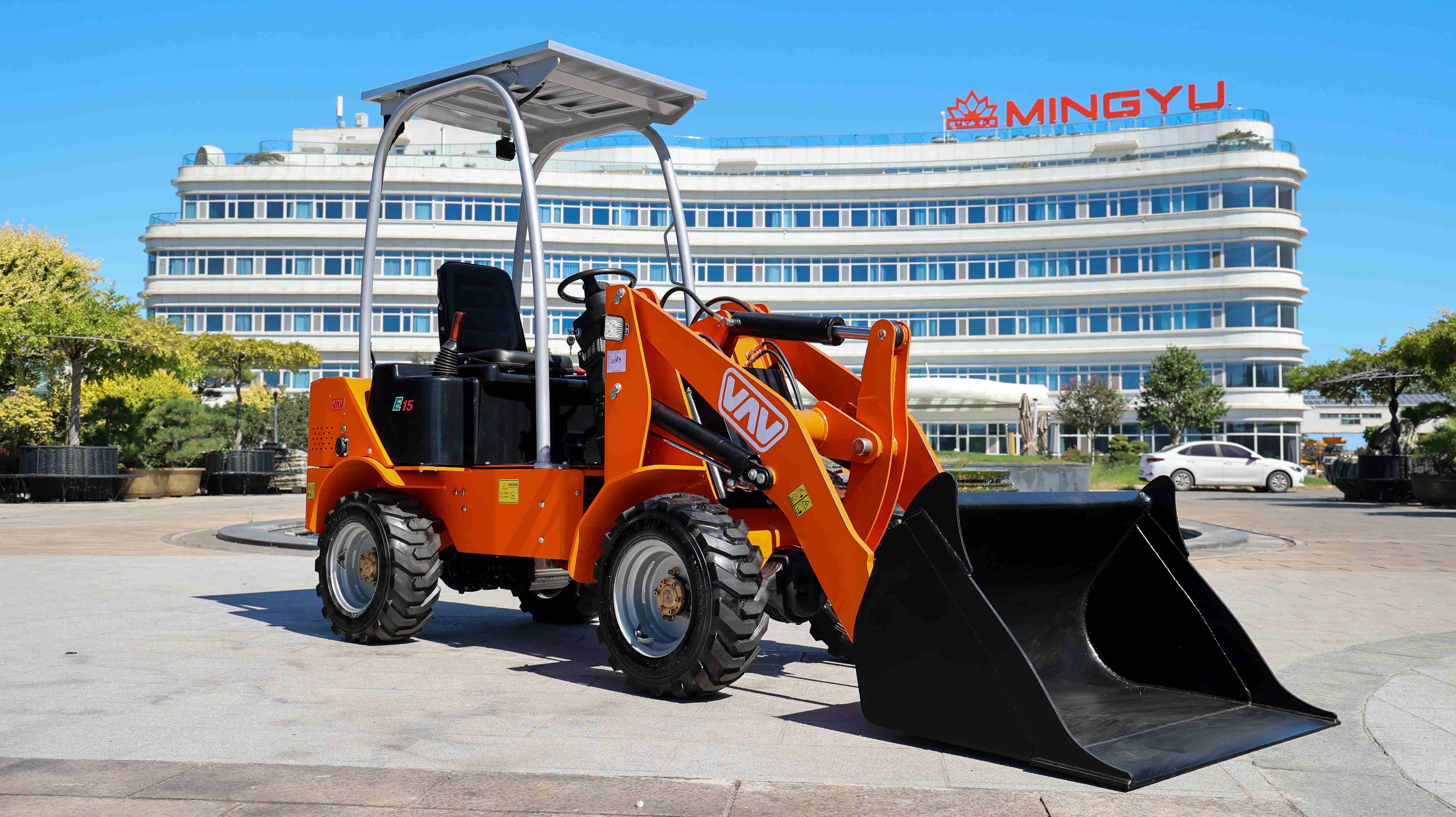
Wheel loaders can perform various tasks:
Loading Trucks: Quickly move soil, gravel, sand, or other bulk materials into trucks.
Stockpiling: Create piles of material for storage or transport.
Leveling and Grading: Smooth surfaces for construction or landscaping projects.
Transporting Material: Move heavy items across the site safely.
Mastering these basic applications helps build confidence for more complex tasks.
10. Common Beginner Mistakes to Avoid
Beginners often make mistakes that compromise safety and efficiency:
Driving too fast and losing control.
Raising the bucket too high while moving, causing instability.
Overloading the bucket beyond machine capacity.
Poor turning technique, causing uneven terrain damage.
Ignoring safety protocols or skipping inspections.
Awareness of these mistakes prevents accidents and promotes proper machine handling.
11. Maintenance Tips for Wheel Loaders
Regular maintenance keeps the loader in optimal condition:
Check and top off fluids daily and weekly.
Clean dirt, mud, and debris from the machine.
Lubricate joints, pins, and moving parts.
Inspect tires, bucket edges, and wear components.
Schedule professional servicing as recommended by the manufacturer.
A well-maintained wheel loader operates more efficiently and has a longer lifespan.
12. Training and Practice Recommendations
Practice is key to becoming proficient:
Begin in open, obstacle-free areas.
Repeat basic movements like driving forward/backward, turning, and operating the bucket.
Gradually introduce tasks like loading trucks or grading surfaces.
Learn from experienced operators or attend certified training programs.
Consistent practice helps beginners develop control, confidence, and efficiency.
13. Conclusion
Operating a wheel loader may seem complex at first, but with proper guidance, practice, and focus on safety, beginners can quickly become competent operators. Understanding the machine, following safety procedures, performing regular maintenance, and practicing daily are essential steps for success.
Always remember: safety comes first, controlled and smooth operation is better than speed, and continuous practice leads to mastery. Wheel loaders are powerful and versatile machines, and learning to operate them properly can significantly increase productivity in construction, agriculture, and material handling operations.
Post time:Mar.26.2026
