
The humble skid steer loader, often perceived as a simple compact machine, undergoes a profound transformation into a champion of versatility through its extensive array of attachments. This capability stems from the ingenious universal quick-attach system, predominantly the Bob-Tach style or its variants, which allows an operator to switch tools in minutes without leaving the cab. The most fundamental category is the digging and earthmoving group, led by various buckets. Beyond the standard general-purpose bucket, one finds heavy-duty rock buckets with reinforced bottoms, light-material buckets for moving bulky but lightweight debris like snow or mulch, and grading buckets with longer, flatter blades for precise contouring and slope work. Trencher attachments, with their hydraulic chains or digging wheels, carve precise ditches for utilities, while backhoe attachments extend the machine's reach and depth for more serious excavation. For penetrating the earth, auger attachments drive holes of various diameters for fencing, planting, or foundation piers, demonstrating that the skid steer's utility extends far beyond mere scooping and lifting, forming the foundational toolkit for any construction or landscaping project.
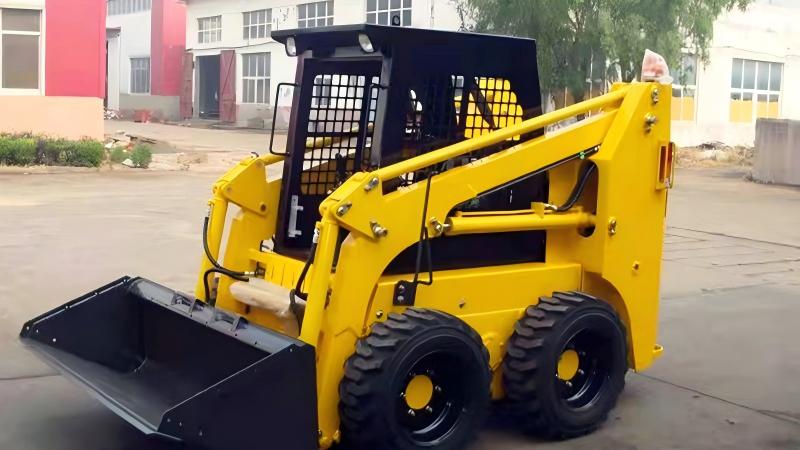
Moving beyond basic earthwork, the skid steer truly proves its mettle with material handling and demolition attachments. Pallet forks are ubiquitous for lifting and transporting loaded pallets of brick, block, or lumber. Industrial grapples, with their powerful clamping jaws, become indispensable for handling irregular, bulky materials like logs, rocks, scrap metal, or demolition debris. A brush grapple, often with a rake-like bottom, is designed specifically for clearing and piling vegetation, small trees, and brush. For dedicated demolition, hydraulic hammers—or breakers—pound through concrete, asphalt, and rock, while concrete pulverizers and shears can systematically dismantle structures. On the cleaner side, sweepers and power brooms attach to the front, turning the machine into an efficient area cleaner for job sites, parking lots, and streets. Snow removal is another forte, with powered snow blowers, push plows, and snow blades making short work of winter storms. This suite of attachments elevates the skid steer from a digger to a primary handler and processor of materials, capable of tackling the messy, heavy, and complex tasks that define many industrial and municipal worksites.
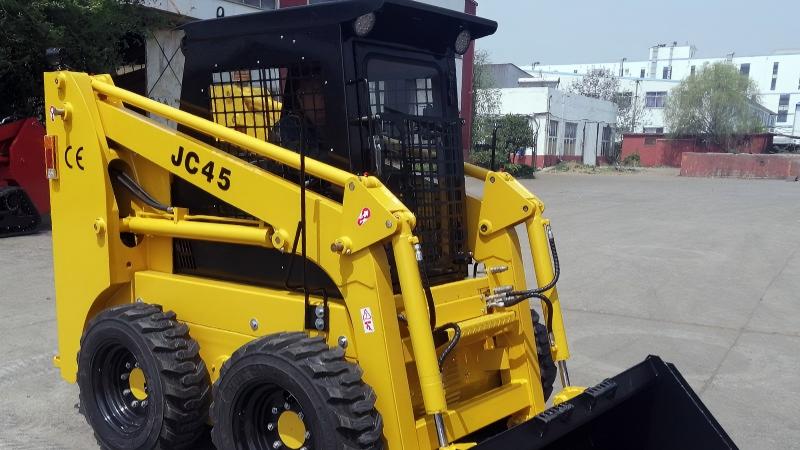
The adaptability of the skid steer further shines in specialized applications for landscaping, agriculture, and site maintenance. For fine grading and final surface preparation, box blades and landscape graders level and spread material with precision. A soil conditioner or Harley rake attachment pulverizes soil, removes stones and roots, and prepares a perfect seedbed for lawns or landscaping. In agricultural settings, bale spears handle large round or square hay bales, post drivers automate fence building, and fertilizer spreaders aid in field management. For lawn care, a rotary mower or flail mower attachment can maintain large grassy areas, ditches, and rough terrain. Stump grinders remove unwanted tree bases, while tillers prepare garden plots. Furthermore, trenchers and vibratory plows are key for installing irrigation systems and underground wiring. This remarkable range underscores the skid steer's role as a year-round partner for farmers, landscape contractors, and property managers, enabling them to perform dozens of specialized tasks with a single, maneuverable power unit, thereby maximizing return on investment and minimizing the need for multiple dedicated machines.
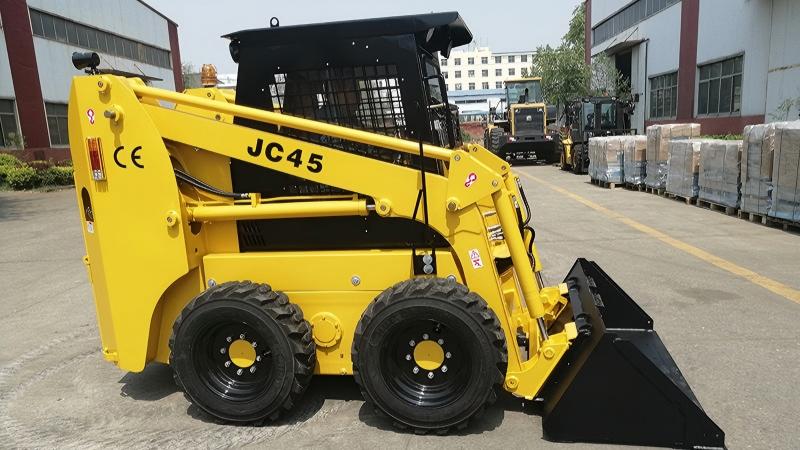
The final frontier of skid steer attachment innovation lies in pneumatic, hydraulic, and auxiliary tool-driven systems. Many skid steers feature auxiliary hydraulic circuits that can power attachments requiring their own hydraulic motors. This enables tools like planers for asphalt and concrete milling, cold planers, and stump grinders. Furthermore, air compressors can be mounted as attachments or integrated, powering pneumatic tools like jackhammers, clay spades, and chisels for more delicate demolition or excavation in sensitive areas. Perhaps the most transformative are utility attachments like hydraulic post drivers, concrete mixers, and even diamond blade concrete saws. For those in material processing, mechanical thumbs added to buckets, mulchers for land clearing, and wood chippers for processing brush are game-changers. The choice of attachment hinges on the machine's hydraulic flow (gpm) and pressure (psi), its operating weight for stability, and its horsepower. Ultimately, the vast ecosystem of skid steer attachments is its defining feature, a testament to engineering ingenuity that allows one compact, agile platform to be endlessly reconfigured, making it arguably the most versatile and indispensable piece of equipment on the modern job site.
Post time:Dec.29.2025
