
Can Diesel Forklifts Work Inside Closed Warehouses?
1. Introduction
Diesel forklifts are widely used in construction sites, industrial yards, ports, factories, and other demanding material-handling environments because they offer high power, strong torque, and excellent performance when handling heavy loads. However, when it comes to operating inside a closed warehouse, the situation is different. A warehouse is often an enclosed environment where workers spend many hours, and factors such as exhaust emissions, air quality, noise, heat, and ventilation become particularly important.
So, can diesel forklifts work inside closed warehouses? The short answer is that diesel forklifts may be suitable for certain indoor environments, but they are generally not the first choice for fully enclosed warehouses. The main concern is not the lifting performance of the forklift but the exhaust emissions generated by its internal combustion engine. Without sufficient ventilation, exhaust gases can accumulate and negatively affect indoor air quality.
The suitability of a diesel forklift depends on several factors, including the size and layout of the warehouse, ventilation conditions, operating hours, load requirements, local regulations, and the type of work being performed. A large warehouse with effective mechanical ventilation may have different requirements from a small, completely enclosed storage facility.
Electric forklifts, particularly lithium-ion models, have become increasingly popular for indoor applications because they produce no tailpipe emissions and operate with relatively low noise. Nevertheless, diesel forklifts can still have advantages in heavy-duty applications where high capacity, long operating periods, and fast refueling are important.
This article explains whether diesel forklifts can be used inside closed warehouses, the potential risks, ventilation requirements, safety measures, and the situations in which an electric forklift may be a better alternative.
2. How Diesel Forklifts Work
A diesel forklift uses a diesel-powered internal combustion engine to generate mechanical power. The engine transfers power through the transmission and drive system to move the forklift, while a hydraulic system provides the force required to lift and lower the forks.
The main components normally include the diesel engine, transmission, hydraulic pump, mast, forks, counterweight, steering system, braking system, and various safety devices.
One of the major advantages of diesel engines is their high torque output. This allows diesel forklifts to handle heavy loads and perform demanding operations effectively. They are also suitable for long periods of continuous operation because refueling can generally be completed much faster than recharging a battery.
However, the same combustion process that provides power also produces exhaust gases. This becomes an important consideration when the machine operates inside a closed building.
Diesel forklifts are therefore commonly associated with outdoor and heavy-duty applications. They are particularly useful in construction material yards, ports, industrial facilities, and other locations where high power and rough operating conditions are more important than zero-emission operation.
3. Main Problems with Using Diesel Forklifts in Closed Warehouses
The biggest concern when using diesel forklifts indoors is exhaust emissions.
A diesel engine produces exhaust gases during combustion. Depending on the engine and its emission-control system, these emissions can include carbon monoxide, nitrogen oxides, particulate matter, and other combustion-related pollutants. In an enclosed warehouse, these pollutants may accumulate if there is insufficient air exchange.
Indoor air quality is especially important because warehouse employees may spend several hours working in the same environment. Continuous forklift operation can therefore create different risks from occasional short-term use.
Noise is another consideration. Diesel engines generally produce more mechanical and combustion noise than electric drive systems. In a busy warehouse, higher noise levels can make communication more difficult and potentially reduce awareness of warning signals.
Diesel forklifts also generate more heat than electric forklifts because of the operation of the internal combustion engine. In an enclosed building, this additional heat can contribute to an uncomfortable working environment, particularly during warm weather.
Fuel storage and refueling must also be properly managed. The warehouse should have appropriate procedures and designated areas for fuel handling rather than allowing uncontrolled refueling activities inside the main storage area.
4. Ventilation Requirements for Diesel Forklifts
Ventilation is one of the most important factors when operating diesel equipment indoors.
A warehouse using diesel forklifts needs sufficient fresh-air circulation to prevent exhaust gases from accumulating. Ventilation can come from natural airflow through doors, windows, and other openings, or from mechanical ventilation systems designed to move and remove contaminated air.
However, simply having a large warehouse does not automatically mean that ventilation is adequate. The effectiveness of ventilation depends on the building's layout, ceiling height, air movement, number of forklifts, operating hours, and location of exhaust outlets.
Mechanical ventilation may be necessary in warehouses where natural airflow is insufficient. The system should be designed according to the actual working conditions and applicable workplace requirements.
Indoor air quality should also be monitored where diesel forklifts are used regularly. If measurements indicate that pollutants are accumulating, the operation should be reassessed and additional controls should be implemented.
For a small warehouse with limited ventilation, continuous diesel forklift operation can be particularly problematic. In such environments, an electric forklift is generally a more appropriate solution.
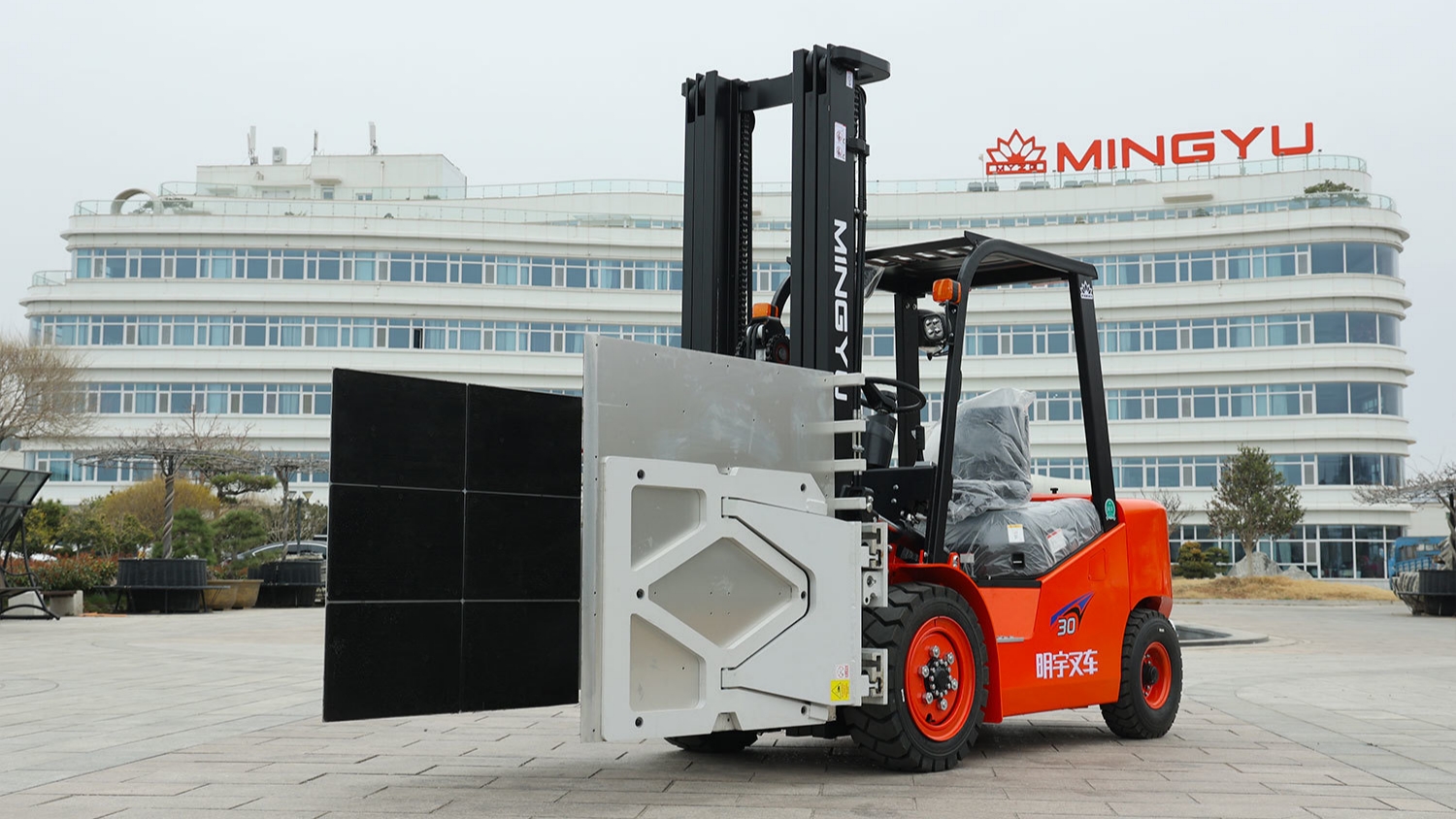
5. Can Diesel Forklifts Be Used in a Closed Warehouse?
The answer depends on what is meant by a "closed warehouse."
A warehouse with doors and ventilation that allow regular air exchange is different from a completely enclosed building with limited airflow. The working conditions, number of forklifts, and duration of operation also make a significant difference.
Diesel forklifts may be used in some large industrial warehouses if the facility has effective ventilation and the operation complies with applicable safety and environmental requirements. For example, a warehouse that occasionally needs to move heavy machinery may use a diesel forklift for specific tasks rather than continuously operating diesel equipment throughout the day.
On the other hand, continuous use of diesel forklifts in a small, poorly ventilated, fully enclosed warehouse is generally not an ideal choice. The longer the equipment operates, the greater the importance of controlling exhaust emissions and maintaining acceptable indoor air quality.
Therefore, the question should not simply be whether a diesel forklift "can" enter a warehouse. The more important question is whether the entire operating environment can safely accommodate a diesel engine.
6. Diesel Forklifts vs. Electric Forklifts for Indoor Applications
Electric forklifts and diesel forklifts have very different characteristics.
The most obvious difference is emissions. Electric forklifts do not produce tailpipe exhaust emissions during operation, making them particularly attractive for enclosed warehouses. Diesel forklifts, by contrast, require effective ventilation to manage combustion-related emissions.
Noise is another major difference. Electric forklifts generally operate more quietly, which can be beneficial in warehouses where workers and forklifts operate close to one another.
In terms of refueling, diesel forklifts have an advantage because refueling is relatively quick. Electric forklifts require battery charging, although lithium-ion technology allows opportunity charging during breaks or short downtime periods.
Diesel forklifts generally perform very well under heavy loads and demanding conditions. Electric forklifts have also become increasingly capable, with high-capacity electric models now available for many industrial applications.
Maintenance is another factor. Diesel forklifts contain engines, fuel systems, exhaust systems, and other components requiring regular maintenance. Electric forklifts have fewer conventional engine-related components, although their batteries and electrical systems require proper maintenance.
For a fully enclosed warehouse, the advantages of electric forklifts often outweigh the advantages of diesel models, particularly when low emissions and low noise are important.
7. When a Diesel Forklift May Still Be Necessary Indoors
Despite the limitations, there are situations where a diesel forklift may still be considered for indoor operations.
One example is a heavy industrial warehouse handling very large or heavy loads. If the required capacity is high and the forklift must operate for extended periods, a diesel model may provide the required performance.
Another situation is a facility that combines indoor and outdoor operations. A forklift may need to move materials from an indoor production area to an outdoor yard several times per day. In this case, a machine capable of handling both environments can be useful.
Rapid refueling can also be important for operations that cannot afford extended downtime. Diesel forklifts can generally be refueled quickly, allowing them to return to work without waiting for battery charging.
However, these advantages must always be balanced against the requirements of the indoor environment. If a diesel forklift is used indoors, ventilation, maintenance, exhaust control, and workplace safety procedures must receive appropriate attention.
8. Safety Measures for Operating Diesel Forklifts Indoors
If diesel forklifts are used inside a warehouse, several safety measures should be implemented.
First, the warehouse should have adequate ventilation. Fresh air must be introduced and contaminated air must be removed effectively.
Second, the forklift should receive regular maintenance. The engine, exhaust system, filters, fuel system, and other critical components should be inspected according to the manufacturer's recommendations. A poorly maintained engine can produce higher emissions and create additional operational problems.
Third, unnecessary engine idling should be avoided. Leaving a diesel forklift running when it is not performing work increases fuel consumption and produces additional exhaust emissions.
Fourth, the warehouse should establish designated operating areas and clear traffic routes. Pedestrian areas should be separated from forklift routes whenever possible.
Operators should also receive appropriate training. They should understand the characteristics of diesel equipment, safe operating procedures, load limits, parking procedures, and emergency requirements.
Finally, the facility should monitor indoor air quality where diesel forklifts are used regularly. If air-quality problems are identified, management should take corrective action rather than simply continuing normal operations.
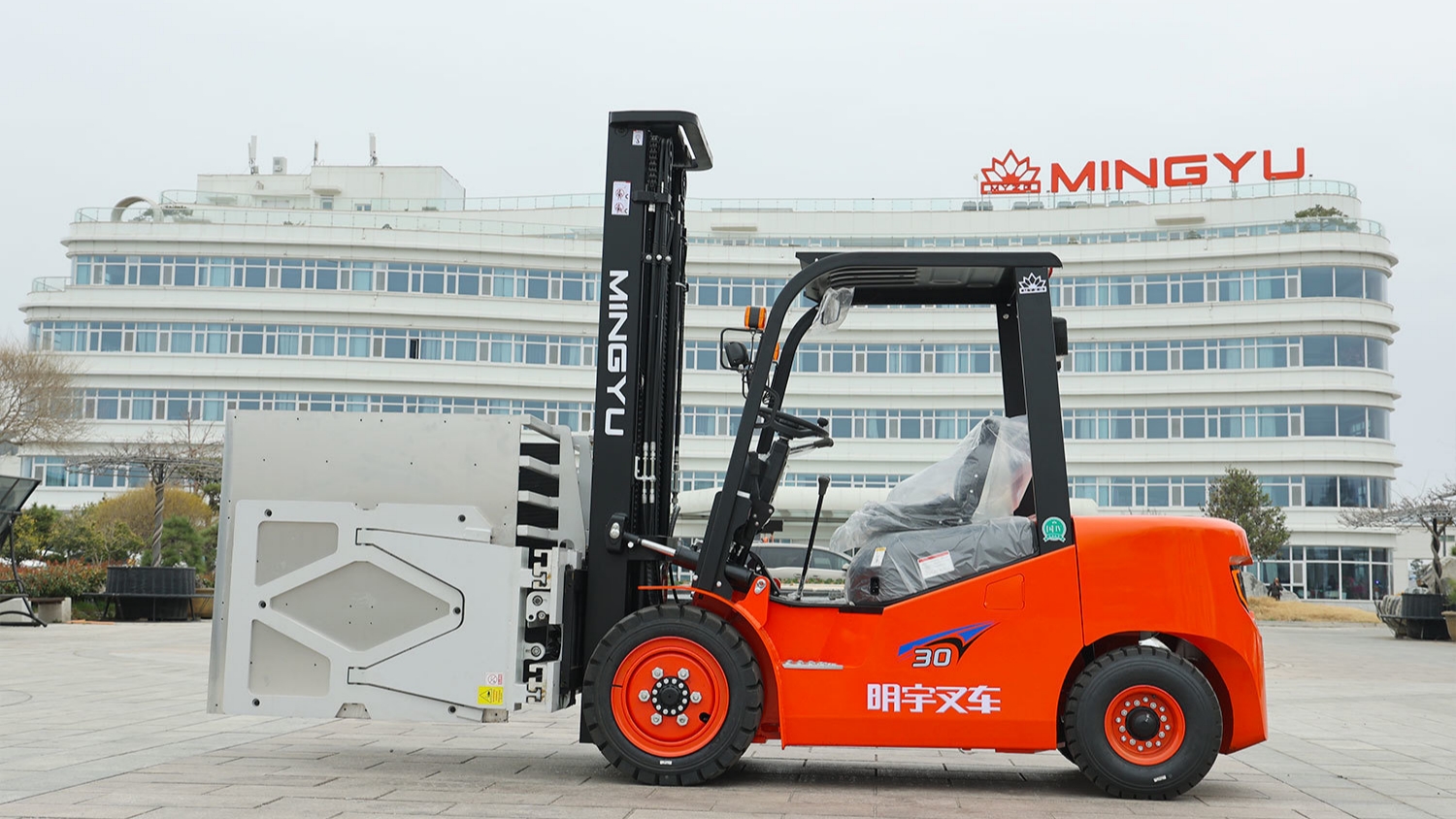
9. How to Reduce Emissions When Using Diesel Forklifts Indoors
Proper maintenance is one of the simplest ways to help reduce emissions from diesel forklifts.
Engine oil, filters, fuel systems, and exhaust components should be maintained according to the manufacturer's recommended schedule. The forklift should also be inspected for unusual smoke, exhaust problems, or other signs of engine malfunction.
Operators should avoid unnecessary idling and use appropriate operating techniques. Excessive acceleration and inefficient operation can increase fuel consumption without improving productivity.
The exhaust system should remain in good condition. Damaged or leaking components can affect the way exhaust gases are discharged and may create additional risks inside the warehouse.
Modern diesel forklifts with improved emission-control technology can also provide lower emissions than older machines. Therefore, when diesel equipment is necessary, choosing a newer machine that complies with the relevant emission requirements can be an important consideration.
At the same time, ventilation remains essential. Maintenance alone cannot eliminate the need for proper air circulation in an enclosed warehouse.
10. Alternative Forklift Types for Closed Warehouses
For many fully enclosed warehouses, electric forklifts are a practical alternative to diesel equipment.
Electric counterbalance forklifts are suitable for general warehouse operations. They can transport pallets, load and unload trucks, and perform a wide range of material-handling tasks.
Lithium-ion forklifts are particularly attractive for intensive warehouse operations. Their batteries can support opportunity charging, which can be useful for multi-shift operations.
Reach trucks are designed for narrow aisles and high-rack storage. They can help warehouses increase storage density while maintaining efficient material handling.
Electric pallet stackers are suitable for lighter-duty applications. They are compact and can be useful in smaller warehouses or areas where only moderate lifting capacity is required.
The appropriate alternative depends on the load capacity, lifting height, aisle width, operating hours, floor conditions, and warehouse layout.
11. How to Choose the Right Forklift for a Closed Warehouse
When selecting equipment for a closed warehouse, companies should consider more than the rated capacity.
The first step is to determine the maximum load weight and required lifting height. These specifications establish the basic performance requirements.
Next, measure the narrowest warehouse aisle. A conventional counterbalance forklift may require more space than a reach truck or compact electric model.
Operating hours are also important. A warehouse operating one shift may have different battery requirements from a facility operating continuously across multiple shifts.
The company should also evaluate ventilation and indoor air-quality requirements. If the warehouse is completely enclosed with limited ventilation, an electric forklift may be a more suitable choice.
Noise requirements should also be considered, particularly in warehouses where employees work close to the equipment.
Finally, compare the total cost of ownership. This should include the purchase price, fuel or electricity, maintenance, batteries, spare parts, tires, and expected service life.
12. Frequently Asked Questions
Can a diesel forklift be used indoors?
In some circumstances, yes. However, the suitability depends on ventilation, emissions, operating conditions, local requirements, and the duration of operation. A completely enclosed and poorly ventilated warehouse is generally not an appropriate environment for continuous diesel forklift operation.
Are diesel forklifts safe in enclosed warehouses?
They can only be considered safe when the operating environment has appropriate controls, including adequate ventilation, proper maintenance, trained operators, and suitable workplace procedures.
How much ventilation does a diesel forklift need?
There is no single ventilation requirement that applies to every warehouse. The required ventilation depends on factors such as engine output, number of forklifts, operating hours, building size, and applicable local regulations. A qualified safety or ventilation professional should evaluate the actual facility when diesel equipment is used regularly.
Are electric forklifts better for indoor warehouses?
For many indoor warehouse applications, electric forklifts are a better choice because they do not produce tailpipe emissions and generally operate more quietly. However, the final choice should still be based on load requirements and operating conditions.
Can diesel forklifts operate in warehouses with doors and ventilation?
Potentially, yes. However, simply having doors does not automatically guarantee adequate ventilation. The actual airflow and indoor air quality need to be considered.
What type of forklift is best for a fully enclosed warehouse?
For many fully enclosed warehouses, an electric forklift, particularly a lithium-ion model, is generally a strong option. Reach trucks and electric stackers may be even more suitable when narrow aisles or lighter loads are involved.
13. Conclusion
Diesel forklifts offer excellent power, torque, lifting capacity, and fast refueling, making them highly effective for heavy-duty material handling. However, these advantages do not necessarily make them the best choice for fully enclosed warehouses.
The main concern is exhaust emissions. Without adequate ventilation and proper emission control, continuous diesel forklift operation can negatively affect indoor air quality. Noise and engine heat are additional considerations.
Diesel forklifts may still be appropriate for certain large, well-ventilated industrial warehouses or applications involving very heavy loads and combined indoor-outdoor operations. In these cases, proper maintenance, ventilation, operator training, air-quality monitoring, and compliance with applicable safety requirements are essential.
For most fully enclosed warehouses, electric and lithium-ion forklifts are generally a cleaner, quieter, and more practical alternative. The final decision should be based on load capacity, lifting height, aisle width, operating hours, ventilation, safety requirements, energy costs, and total cost of ownership.
Choosing the right forklift is therefore not simply a question of whether a machine has enough power. The best forklift is the one that provides the required performance while matching the environmental, safety, and operational requirements of the warehouse.
Post time:Aug.13.2026
