
Which Component Provides Fall Protection for Aerial Platform Devices? Which Publications Must Be Kept on the Aerial Platform?
1. Introduction
Aerial work platforms are widely used in construction, building maintenance, warehousing, electrical work, facility management, equipment installation, and other applications where workers need to perform tasks at an elevated position. Depending on the design, an aerial platform may use an articulating boom, telescopic boom, vertical mast, or another lifting mechanism to position workers above ground level. Because workers are elevated several meters above the ground, fall protection is one of the most important safety considerations when operating this type of equipment.
Aerial-platform fall protection is not provided by a single component in every situation. The platform's guardrail system, including the top rail, mid-rail, toe board where applicable, and access gate, creates a physical barrier around the work area. Depending on the equipment type and applicable regulations, workers may also need a personal fall-protection system, such as an appropriate harness or restraint system connected to a manufacturer-approved anchorage point. OSHA guidance emphasizes that workers should remain on the platform floor, keep access gates closed, and avoid climbing or leaning over guardrails.
Safety also depends on having the right information available to the operator. An aerial platform should be operated according to its manufacturer's instructions, including its rated capacity, operating limitations, emergency procedures, inspection requirements, and fall-protection instructions. OSHA recommends following the manufacturer's instructions and checking safety-related placards, warnings, operational markings, and instructional information as part of the pre-start inspection.
This article explains the main components that provide fall protection on aerial platforms and discusses the publications, manuals, labels, and safety information that should be available to operators. Requirements can vary according to the machine type, workplace, country, and applicable regulations, so the manufacturer's manual and local requirements should always be checked before operation.
2. Which Component Provides Fall Protection on an Aerial Platform?
When people ask which component provides fall protection on an aerial platform, the most appropriate answer is usually the platform's guardrail system together with the required personal fall-protection equipment.
The guardrail system provides passive protection by creating a physical boundary around the platform. A typical system includes a top rail and intermediate rail, with an access opening or gate designed to allow workers to enter and leave the platform. Depending on the machine design and applicable standards, additional components such as toe boards may also be provided.
Personal fall protection provides another layer of protection. For boom-type aerial lifts, applicable OSHA construction requirements specify fall protection for workers and prohibit tying off to adjacent poles, structures, or equipment.
Therefore, it is not accurate to say that only the guardrail or only the harness provides fall protection. The complete protection system depends on the machine design, manufacturer's instructions, and applicable regulations.
3. Guardrails: The Primary Physical Barrier
The guardrail system is one of the most visible safety features on an aerial platform. Its purpose is to keep the operator and other occupants within the designated working area.
The main components normally include:
Top rail
Mid-rail
Access gate
Toe board where required
Guardrail posts and supporting structures
The top rail provides the main upper boundary, while the intermediate rail helps prevent a person from passing through the open space below the top rail. The access gate provides controlled entry and exit.
During operation, the gate should remain properly closed. OSHA's aerial-lift guidance specifically instructs operators to ensure that access gates or openings are closed.
Guardrails should also be inspected before use. Damaged, loose, bent, cracked, or missing components can reduce the effectiveness of the protection system. OSHA recommends checking guardrail systems, locking pins, fasteners, structural components, and other safety-related equipment during the pre-start inspection.
4. Personal Fall-Protection Systems and Anchorage Points
Guardrails are not the only form of protection used on aerial platforms. Depending on the equipment and applicable requirements, a worker may also need a personal fall-protection system.
For boom-type aerial lifts, OSHA's construction standard addresses the use of a body belt or fall-protection arrangement with a lanyard connected to the boom or basket. The regulation also clarifies that body belts are not acceptable as part of a personal fall-arrest system under the cited fall-arrest requirements, although body belts can be used in certain restraint or tethering applications.
The anchorage point is therefore extremely important. Workers should use only the anchorage location specified or approved by the equipment manufacturer and applicable safety requirements. They should not improvise an attachment point or connect themselves to a nearby building, pole, vehicle, or other structure.
OSHA specifically prohibits belting off to an adjacent pole, structure, or equipment while working from an aerial lift.
5. Fall Protection for Different Types of Aerial Platforms
Not every elevated work platform has exactly the same design or regulatory classification.
Articulating boom lifts
Articulating boom lifts use multiple boom sections to reach over obstacles and position the platform. Because the platform can move in several directions, maintaining proper fall protection and following the manufacturer's instructions are particularly important.
Telescopic boom lifts
Telescopic boom lifts extend outward using a telescoping boom. They are commonly used where workers need significant horizontal reach as well as elevation.
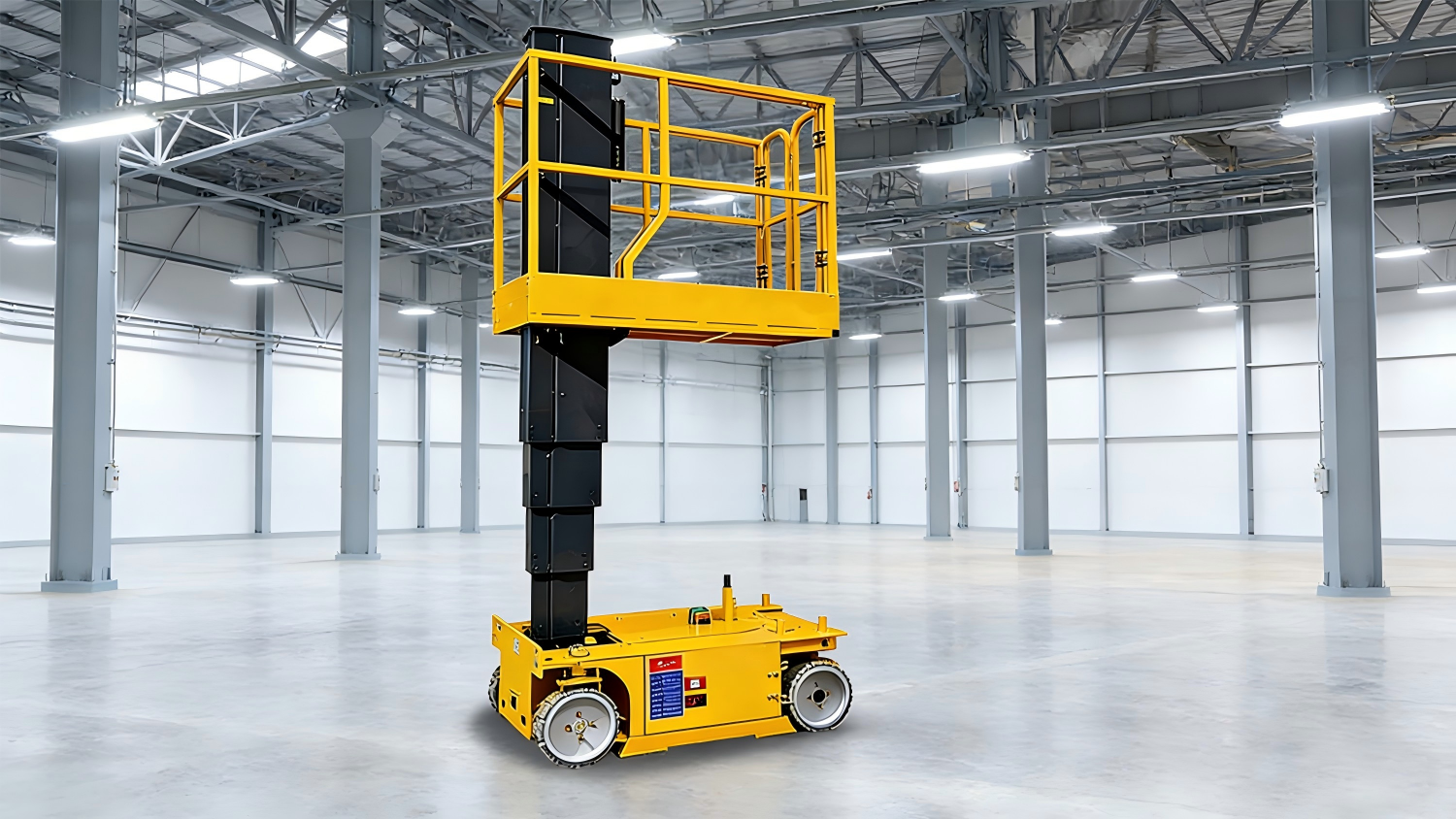
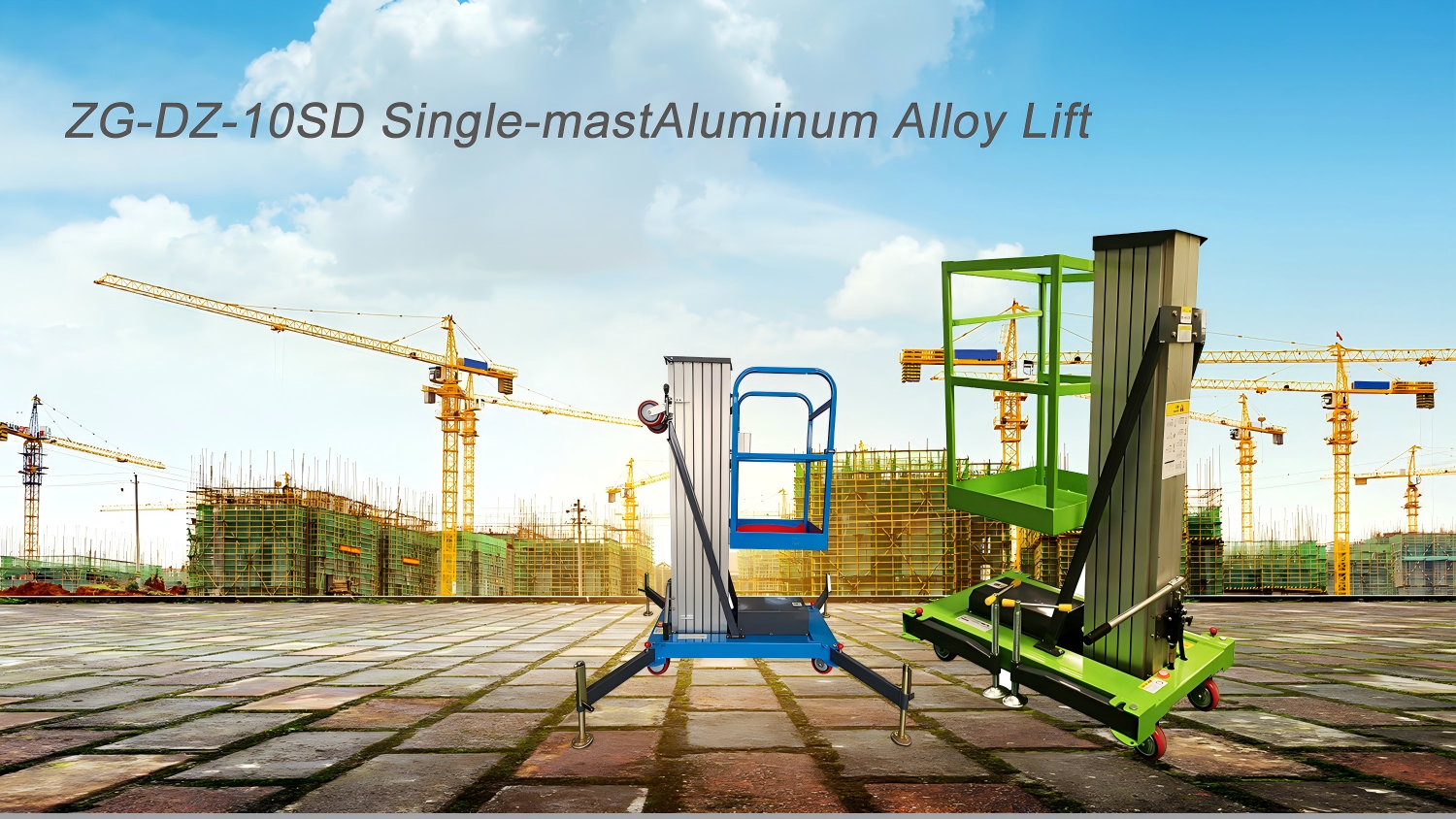
Vertical mast lifts
Vertical mast platforms move primarily upward and downward. Their guardrail and access arrangements can differ from boom-type machines.
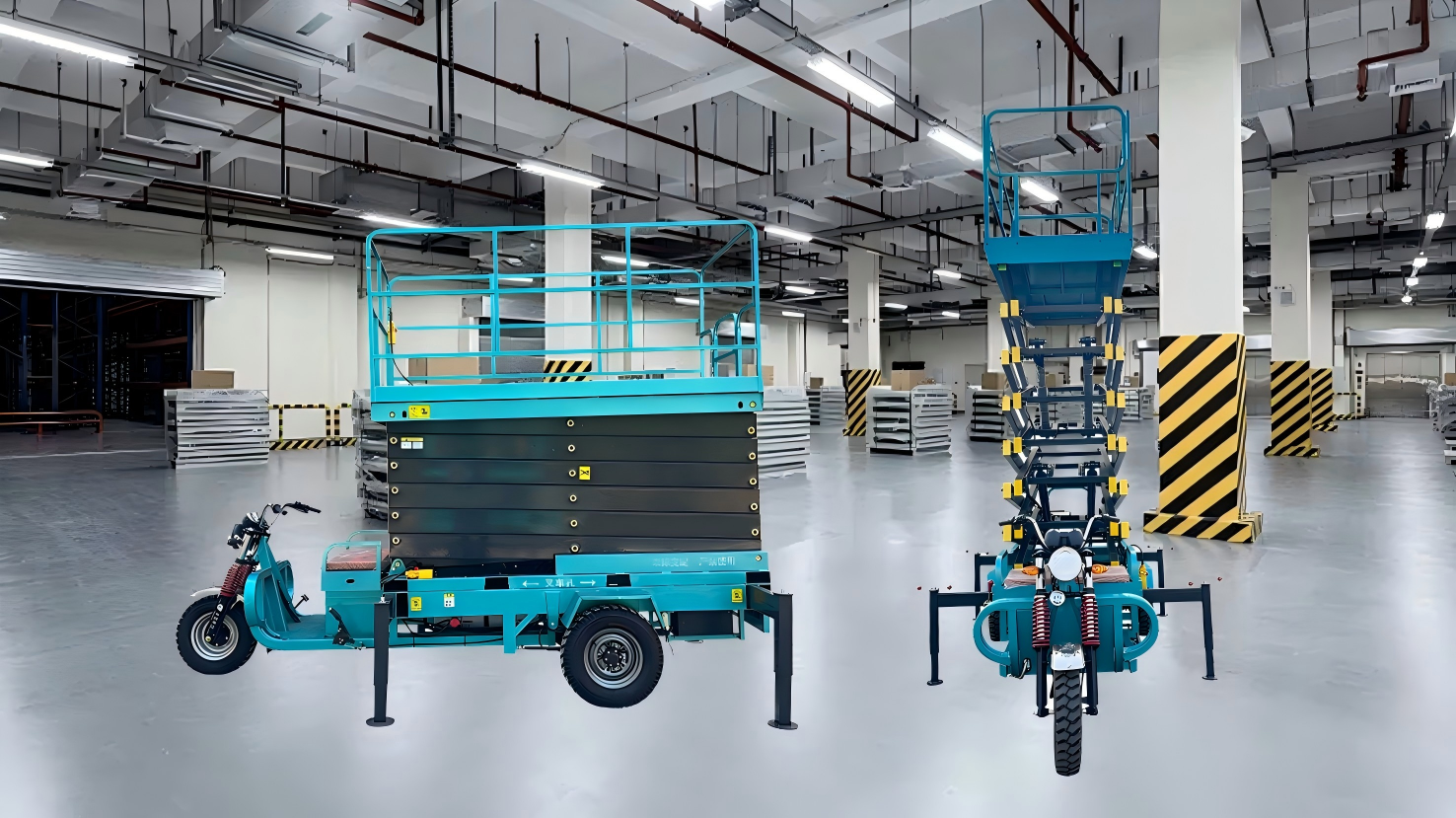
Scissor lifts
Scissor lifts are another type of elevated work platform, but their regulatory classification may differ from vehicle-mounted aerial lifts. OSHA has specifically addressed distinctions between aerial lifts and scissor lifts in its interpretations.
Because the requirements can vary, operators should not assume that the fall-protection arrangement for one machine automatically applies to another. The equipment's identification, manufacturer's manual, and applicable workplace rules should be checked.
6. Which Publications and Documents Should Be Kept on the Aerial Platform?
The most important publication for the operator is the manufacturer's operator's manual or operating manual.
The exact documents required on or with an aerial platform depend on the equipment and jurisdiction. However, operators should have access to information such as:
Operator's manual
Safety manual or safety instructions
Operating and maintenance instructions
Emergency operating or lowering procedures
Inspection/checklist information
Rated-capacity information
Safety labels and warning information
Applicable workplace operating procedures
Manufacturer-provided technical or service information where required
For example, OSHA requires certain personnel platforms used for hoisting operations to have the platform's operating manual available in the platform or on the equipment.
For general aerial-lift operation, OSHA also emphasizes following the manufacturer's instructions and checking instructional and operational markings during pre-start inspection.
Therefore, when supplying an aerial platform to a customer, the manufacturer should provide complete operating and safety documentation appropriate for that particular model.
7. Why the Operator's Manual Is Essential
The operator's manual is more than a general reference document. It provides model-specific information that cannot safely be replaced by generic instructions.
A typical manual may explain:
Machine controls
Rated platform capacity
Maximum number of occupants
Maximum working height
Maximum allowable slope
Wind limitations
Emergency lowering
Battery or engine operation
Outrigger or stabilizer operation
Pre-operation inspection
Maintenance requirements
Safe transportation
Fall-protection requirements
Troubleshooting procedures
Prohibited operating practices
Different aerial platforms can have very different control systems, capacities, dimensions, and operating limitations. Therefore, operators should use the manual corresponding to the exact machine model.
8. Safety Labels and Information That Must Remain Visible
Printed publications are only part of the information system. Important safety information is also permanently displayed on the machine through labels, placards, decals, and markings.
Examples include:
Rated load capacity
Maximum platform occupancy
Warning signs
Danger labels
Control identification
Emergency instructions
Fall-protection instructions
Manufacturer identification
Machine model and serial number
Battery or electrical warnings where applicable
These markings should remain clean, securely attached, and readable. OSHA's pre-start inspection guidance specifically includes checking for missing or unreadable placards, warnings, and operational, instructional, and control markings.
If important safety labels are missing or unreadable, the machine should be evaluated and the required information restored before normal operation.
9. Pre-Operation Inspection: Equipment and Documents
Before every work shift, operators should conduct the inspection required by the manufacturer and applicable regulations.
Important inspection points can include:
Platform:
Check the platform floor, guardrails, access gate, fasteners, and structural components.
Fall-protection equipment:
Check the required personal protective equipment and approved attachment points.
Controls:
Test operating and emergency controls according to the manufacturer's instructions.
Hydraulic and electrical systems:
Look for leaks, damaged hoses, wiring problems, or other abnormalities.
Safety markings:
Make sure warnings and operating instructions remain visible.
Emergency systems:
Verify that emergency lowering or other emergency functions are available and functioning as required.
Documents:
Confirm that the operator has access to the correct manual and safety information.
OSHA recommends a pre-start inspection before each work shift and states that defective aerial lifts should not be operated until repaired by a qualified person.
10. Common Mistakes That Reduce Fall Protection
Several unsafe practices can defeat the purpose of an aerial platform's protective system.
Climbing on guardrails
The platform floor is the designated standing surface. Operators should not climb onto the top rail or other guardrail components to gain additional height.
Leaning outside the platform
Reaching excessively outside the protected platform can change the operator's position and increase the risk of falling.
Leaving the gate open
The access gate is part of the platform's protective arrangement and should remain closed during operation.
Using ladders or makeshift platforms
OSHA specifically prohibits using planks, ladders, or other devices to create a higher working position inside an aerial lift.
Connecting to an unsuitable anchor
A fall-protection lanyard should not be connected to a random structural component or nearby object. The correct anchorage arrangement should be identified from the manufacturer's instructions and applicable requirements.
Exceeding rated capacity
The combined weight of workers, tools, equipment, and materials must remain within the applicable platform capacity. OSHA specifically requires that boom and basket load limits specified by the manufacturer not be exceeded.
11. Manufacturer Instructions, OSHA, and Industry Standards
Aerial-platform safety should be based on three layers of information:
First, the manufacturer's instructions.
These provide model-specific requirements for operating, inspecting, maintaining, and servicing the machine.
Second, applicable laws and regulations.
In the United States, OSHA requirements may apply depending on the industry and type of work. For example, 29 CFR 1926.453 addresses aerial lifts in construction.
Third, applicable industry standards.
Relevant consensus standards can provide additional technical guidance depending on the equipment category and application. OSHA's aerial-lift eTool references several ANSI/SIA standards.
These sources should not be treated as interchangeable. A manufacturer should design and supply the machine according to the standards applicable to the intended market, while the operator and employer must follow the rules applicable to the actual worksite.
12. Practical Safety Checklist for Aerial Platform Operators
Before operating an aerial platform, the following checklist can provide a useful starting point:
Operator is properly trained and authorized
Correct operator's manual is available
Guardrails are intact
Access gate works correctly
Platform floor is in good condition
Required fall-protection equipment is available
Approved anchorage point is identified
Controls have been inspected
Emergency systems have been checked
Hydraulic and electrical systems are in safe condition
Tires, wheels, outriggers, or stabilizers are checked where applicable
Safety labels are readable
Rated capacity is understood
Worksite hazards have been evaluated
Weather and wind conditions are suitable
Overhead obstacles and power lines have been considered
No unauthorized modifications have been made
This checklist should be adapted to the exact machine and should not replace the manufacturer's inspection procedure.
13. Conclusion
Fall protection on an aerial platform is a system rather than a single component. The guardrail system creates a physical protective boundary around the platform, while personal fall-protection or restraint equipment may provide additional protection where required by the equipment design and applicable regulations. For boom-type aerial lifts, OSHA specifically addresses fall protection and prohibits attaching workers to adjacent structures or equipment.
The second important part of aerial-platform safety is information. The operator should have access to the correct manufacturer's operator manual, safety instructions, emergency procedures, inspection information, and machine safety labels. These materials explain the limitations and procedures specific to that particular machine.
Ultimately, safe aerial-platform operation depends on combining proper equipment design, intact guardrails, appropriate personal fall protection, regular inspections, operator training, manufacturer's instructions, and applicable regulations. Keeping the correct safety documentation readily available is therefore not simply an administrative task—it is an important part of ensuring that operators understand how to use the machine safely.
Post time:Aug.18.2026
