
The lifting capacity of a backhoe loader, a quintessential and versatile piece of construction machinery, is not defined by a single number but is instead a dual-faceted specification critical to both its front-loader and rear-excavator functions. Understanding this capacity is paramount for operational safety, efficiency, and selecting the right machine for the job. On the front end, the loader lift capacity refers to the maximum weight the machine can safely lift and carry in its bucket to a specified height, typically measured at full height or at a specific pivot point like 50% of its maximum reach. This capacity is governed by hydraulic power, loader arm geometry, and machine stability, with common values for standard backhoe loaders ranging from approximately 3,000 to 7,000 pounds (1,360 to 3,175 kg) or more, depending on the model size. On the rear end, the excavator or backhoe digging arm also possesses a lifting capacity, often referred to as bucket or stick dig force, which is the force it can exert to pry or lift material from a trench. This is measured as breakout force—either arm breakout (for curling the bucket) or bucket breakout (for prying with the bucket tip)—and can range from 5,000 to over 15,000 pounds-force. The true measure of a backhoe loader’s "strength" thus lies in interpreting both these sets of figures in conjunction with other parameters like dig depth, reach, and overall machine weight, which typically spans from 14,000 to 22,000 pounds for most units in the field.
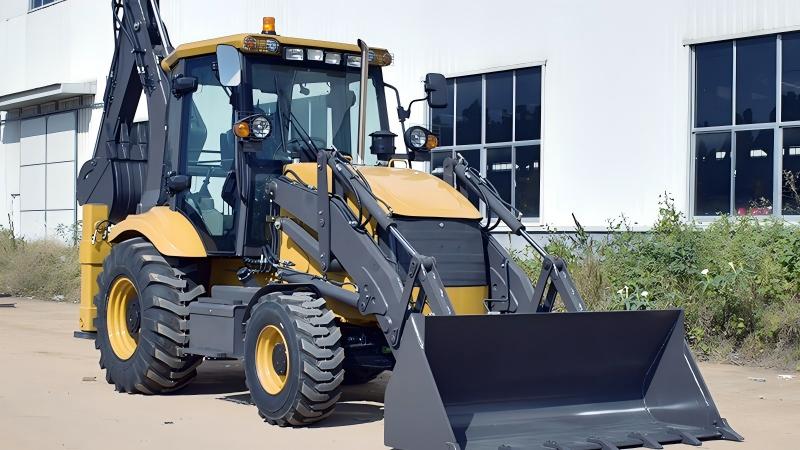
Several key factors intricately influence the lifting and digging capacities of a backhoe loader, making direct model-to-model comparisons a detailed exercise. Firstly, machine stability, primarily determined by its weight and center of gravity, is the foundational limit. A heavier machine with a wider wheelbase can generally handle greater loads without risking tip-over. Secondly, the hydraulic system is the muscle; its pressure (measured in psi or bar) and pump flow rate (in gallons per minute) directly translate to the force exerted by the cylinders on the loader arms and excavator stick. Thirdly, the geometry of the loader arms and backhoe boom plays an engineering-critical role. Longer reach or higher lift height on the loader side often reduces the safe lifting capacity at full extension due to leverage principles. Similarly, a backhoe designed for deeper excavation might trade off some breakout force for that increased depth. Manufacturers like Caterpillar, John Deere, CASE, and JCB rigorously test their machines to industry standards, such as those from the Society of Automotive Engineers (SAE), which provide consistent measurement protocols for capacities like SAE Operating Load for loaders. However, it is crucial for operators to consult the specific load charts provided in the operator’s manual, as capacity drastically decreases as the load moves away from the machine’s pivot points, a concept known as the load moment.
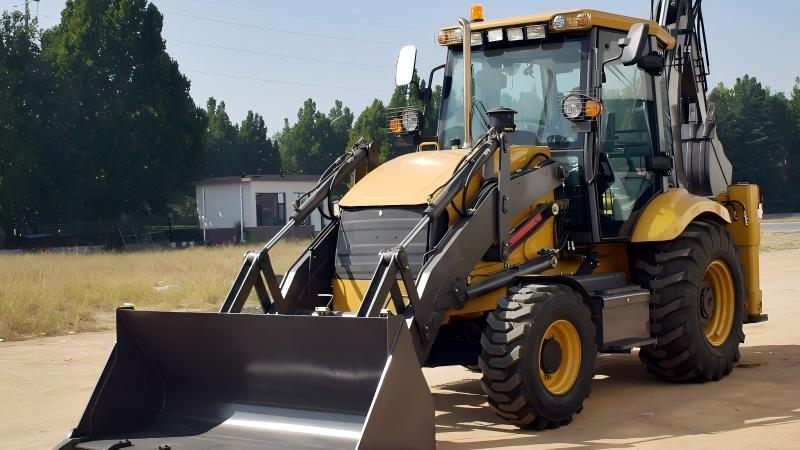
For practical on-site application, understanding these capacities directly impacts project planning and safety. On the loader end, tasks like moving pallets of block, loading trucks with gravel or dirt, or handling pipes all require knowing the weight of the material and ensuring it falls within the machine’s capacity at the required lift height and reach. Exceeding this capacity can lead to catastrophic instability, damage to hydraulic components, or structural failure. On the backhoe end, breakout force determines what materials the machine can effectively dig—from loose soil and clay to more compacted or rocky substrates. Furthermore, the backhoe arm can be used for light lifting tasks, such as placing pipes or concrete barriers into a trench, but this must be done with extreme caution and within the reduced capacity limits specified for such dynamic lifting operations, which differ from static digging forces. Modern backhoe loaders often come equipped with advanced features that interact with these capacities, such as return-to-dig functions for excavation efficiency or load-sensing hydraulics that optimize power distribution, but they do not override the fundamental physical limits defined by the machine’s design and the immutable laws of physics governing leverage and stability.
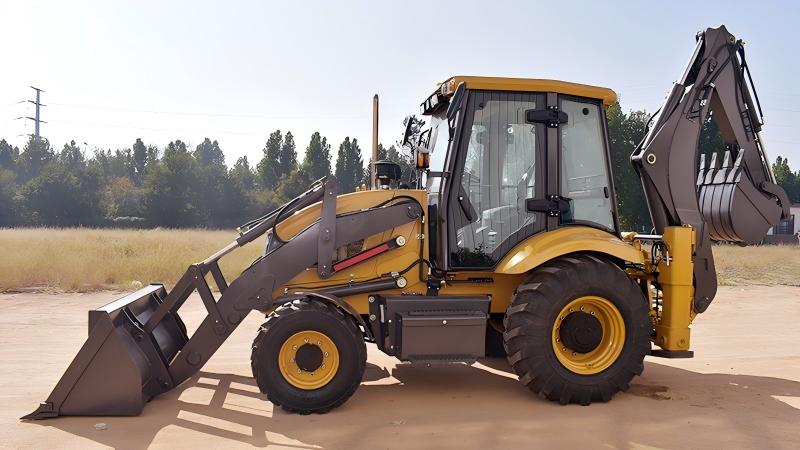
Ultimately, selecting a backhoe loader based on lifting capacity requires a careful analysis of the primary tasks it will perform. A utility contractor focusing on water line installation may prioritize a machine with exceptional backhoe breakout force and dig depth, with loader capacity being a secondary concern for backfilling. Conversely, a landscape supply yard might need a model with a superior front-end loader capacity and a quick-attach system for frequent material handling, using the backhoe mainly for occasional trenching. Prospective buyers must look beyond headline horsepower numbers and examine the detailed spec sheets for rated operating capacity, breakout forces, and corresponding load charts. Consulting with dealers for demonstration under conditions that mimic real-world use is invaluable. In conclusion, the lifting capacity of a backhoe loader is a sophisticated blend of engineering specifications that define its core utility. A thorough understanding of both front and rear capacities, the factors that affect them, and their practical application is essential for safe, productive, and cost-effective equipment operation, ensuring this versatile workhorse continues to be a cornerstone of construction, agriculture, and infrastructure development worldwide.
Post time:Jan.05.2026
