
The horsepower (HP) rating of a backhoe loader is a fundamental specification that significantly influences its performance, versatility, and suitability for various construction, utility, and agricultural tasks. Typically, the horsepower range for these versatile machines, often called tractor-loader-backhoes, spans from approximately 65 HP to over 150 HP, with the most common models for general construction falling squarely in the 80 HP to 110 HP bracket. This power range is engineered to provide an optimal balance between robust digging and trenching capability at the rear and efficient loading and material handling at the front, all while maintaining machine stability and fuel efficiency. Horsepower, in this context, refers to the engine's net horsepower, which is the power available at the flywheel to drive the hydraulic pumps, transmission, and ultimately, the implements. It's crucial to distinguish this from older gross horsepower ratings. The lower end of the spectrum, around 65-75 HP, is often found in compact or utility models designed for lighter duties, such as landscaping, minor excavation, or farm work, where maneuverability in tight spaces is prioritized over raw power. Conversely, the upper echelon, featuring machines with 130 HP to 160+ HP, caters to heavy-duty, continuous excavation and large-scale loading operations, where superior hydraulic flow and faster cycle times are non-negotiable.
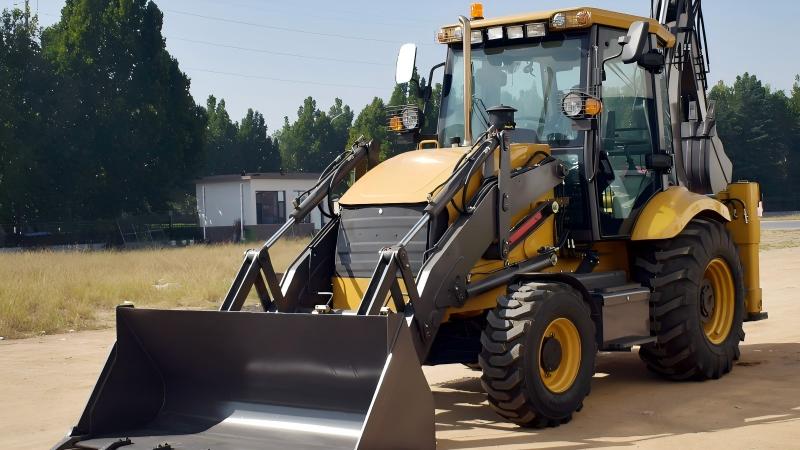
Delving deeper into the performance implications, the engine horsepower directly correlates with the machine's hydraulic system capacity and, consequently, its force and speed. A backhoe loader's core functions—the digging force of the backhoe, the breakout force of the loader, and the lifting capacity—are primarily driven by hydraulic pressure and flow, which are sourced from the engine. Therefore, a unit with 95 HP will typically generate greater hydraulic performance than a 70 HP model, allowing for deeper trenches, easier penetration of tough materials like compacted clay or rocky soil, and the ability to lift heavier loads into trucks or onto piles. However, horsepower is not the sole determinant of capability; it must be harmonized with the machine's hydraulic architecture, weight distribution, and structural design. For instance, a well-designed 85 HP model with advanced hydraulic efficiency can sometimes outperform an older, less efficient 100 HP machine. Furthermore, modern backhoe loaders increasingly feature turbocharged diesel engines that deliver high torque at low RPMs, enhancing fuel economy and providing the necessary muscle for demanding tasks without necessarily drastically increasing the peak horsepower rating. This technological evolution means that a contemporary 100 HP backhoe loader is often far more productive and efficient than a counterpart with the same rated power from two decades ago.
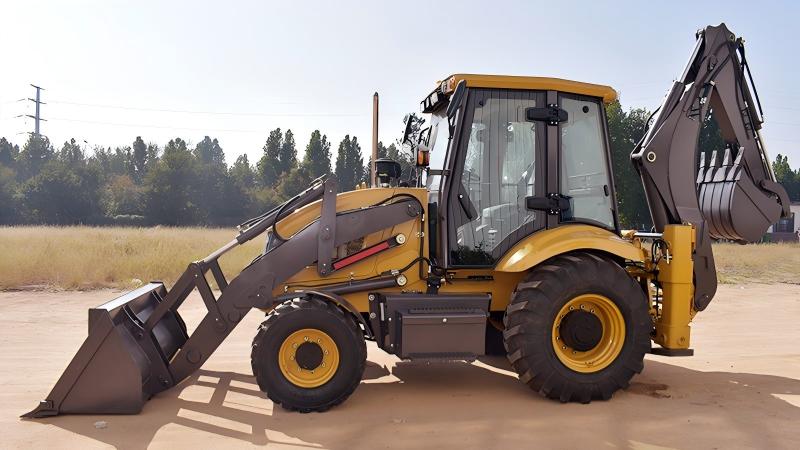
Several key factors influence where a particular backhoe loader model sits within the broad horsepower spectrum. First and foremost is the intended application. Municipalities and contractors focused on road maintenance, utility work, and general site preparation often favor models in the 80-100 HP range for their ideal blend of power, transportability, and operational cost. For major earthmoving, quarry work, or handling heavy materials like iron ore or rock, the high-HP beasts (120 HP and above) are indispensable. Secondly, regulatory environments, particularly emissions standards (Tier 4 Final/Stage V), have profoundly impacted engine design. Meeting these stringent standards has led to more complex, electronically controlled engines that optimize combustion, sometimes altering the traditional power-to-displacement ratio. Additionally, manufacturer design philosophy plays a role; some brands may emphasize high horsepower for marketing appeal and peak performance, while others might focus on optimal torque curves and overall system integration for better real-world efficiency. The choice of transmission—standard manual, power shuttle, or advanced hydrostatic systems—also interacts with engine power, affecting how seamlessly that horsepower is translated into productive work.
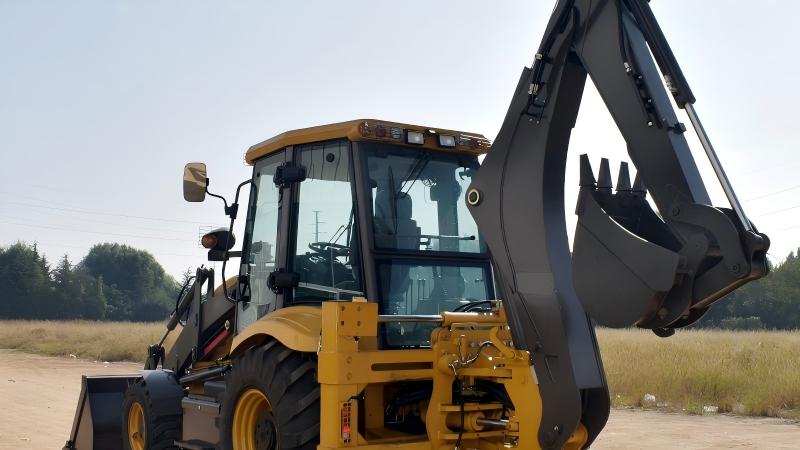
In conclusion, the horsepower range for backhoe loaders from about 65 HP to 150+ HP offers a machine for virtually every task and budget. When selecting a backhoe loader, savvy buyers look beyond the headline HP number alone. They consider the total performance package: torque rise, hydraulic flow rates (gpm), pump priorities, standard and optional attachment compatibility, and the machine's weight and dimensions. A mid-range horsepower model, say 90-100 HP, represents the industry's sweet spot, delivering ample power for the vast majority of digging, loading, and lifting jobs while maintaining relatively lower ownership costs. Ultimately, understanding the horsepower range is the starting point for matching the machine's capabilities to the specific demands of the job site, ensuring maximum productivity, reliability, and return on investment. As technology advances, the focus is shifting towards doing more work per gallon of fuel—a metric where intelligent power management is becoming just as important as the raw horsepower under the hood.
Post time:Feb.05.2026
