
What is the Maximum Lifting Height of a Pallet Stacker? A Complete Guide
1. Introduction
In modern warehouses, distribution centers, and industrial facilities, efficiency is key. One of the most important tools for material handling is the pallet stacker. These versatile machines help move, lift, and organize palletized goods, streamlining workflow and improving productivity.
However, one of the most commonly asked questions among warehouse managers, operators, and buyers is: “What is the maximum lifting height of a pallet stacker?” Understanding this is crucial for selecting the right equipment, ensuring safety, and maximizing storage space.
In this guide, we will explore everything you need to know about pallet stackers, their lifting heights, the factors that influence them, and tips for safe and efficient use.
2. What is a Pallet Stacker?
A pallet stacker is a type of material handling equipment designed to lift, move, and stack pallets. Unlike traditional forklifts, pallet stackers are typically smaller, more maneuverable, and ideal for indoor warehouse environments.
Key components include:
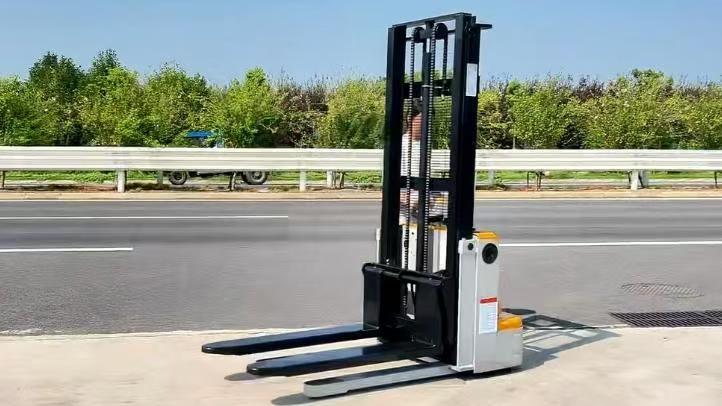
Forks: The arms that lift the pallets
Mast: The vertical lifting structure
Lifting mechanism: Hydraulic, electric, or manual systems
Types of pallet stackers:
Manual pallet stackers – Powered solely by human effort, suitable for light loads and low heights.
Semi-electric stackers – Combines manual movement with electric lifting, providing ease of use.
Electric stackers – Fully powered, ideal for heavy loads and high lifting applications.
Applications: Warehouses, factories, retail storage, logistics centers, and shipping areas rely on pallet stackers to move goods efficiently without requiring large forklifts.
3. Understanding Lifting Height
Lifting height refers to the vertical distance a pallet stacker can raise a load.
It is important to distinguish between:
Maximum lifting height: The absolute highest point the forks can reach under ideal conditions.
Operational lifting height: The height you can safely lift a full load during daily operations.
While a stacker may advertise a maximum lifting height of 5 meters, in practice, safety limits, warehouse constraints, and load weight may reduce the usable lifting height.
4. Factors Influencing Maximum Lifting Height
Several factors determine how high a pallet stacker can lift:
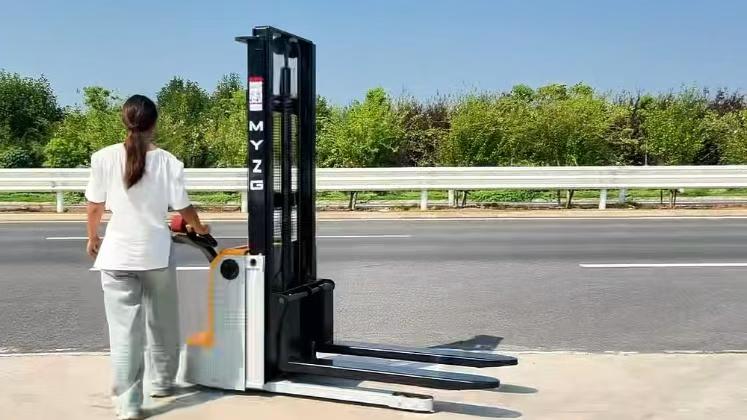
Mast Design:
Single-stage mast: Limited height, typically up to 2.5 meters.
Double-stage mast: Medium height, up to 3.5 meters.
Triple-stage mast: Maximum height, reaching 5 meters or more.
Fork Length and Carriage Design: Longer forks may affect stability at high lifts. The carriage design also affects load balance.
Load Weight and Distribution: Heavier loads reduce maximum safe lifting height. Properly centered loads are crucial for stability.
Operator and Safety Considerations: Operator skill and adherence to safety protocols directly affect practical lifting height.
5. Average Maximum Lifting Heights by Type
Here is a general overview:
|
Type |
Typical Max Lifting Height |
|
Manual Stackers |
1.6 – 2.5 meters |
|
Semi-Electric Stackers |
2.5 – 3.5 meters |
|
Electric Stackers |
3.0 – 5.0 meters |
Key takeaway: Electric stackers dominate in high-lift applications, while manual stackers are best for low-level shelving and short stacking.
6. Safety Considerations Related to Lifting Height
High lifting heights bring potential risks. Safety measures are critical:
Stability: Loads lifted too high can cause tipping. Operators must ensure the base is stable.
Load Limits: Overloading reduces safety margins, especially at maximum height.
Regulations: OSHA and other safety agencies require training and compliance with load charts.
Operator Training: Proper training reduces accidents, especially when handling high stacks in narrow aisles.
Remember: safety should never be sacrificed for speed or efficiency.
7. Choosing a Pallet Stacker Based on Lifting Height
Selecting the right stacker requires careful planning:
Assess Warehouse Needs: Measure ceiling heights, shelf levels, and aisle widths.
Stacker Type vs. Lifting Height: Use manual stackers for low shelves, electric for high racks.
Cost Considerations: Higher lifting stackers often cost more but provide better long-term efficiency.
By matching lifting height to your actual warehouse needs, you prevent overpaying and reduce operational risks.
8. Enhancing Lifting Height
Some solutions can help increase lifting height:
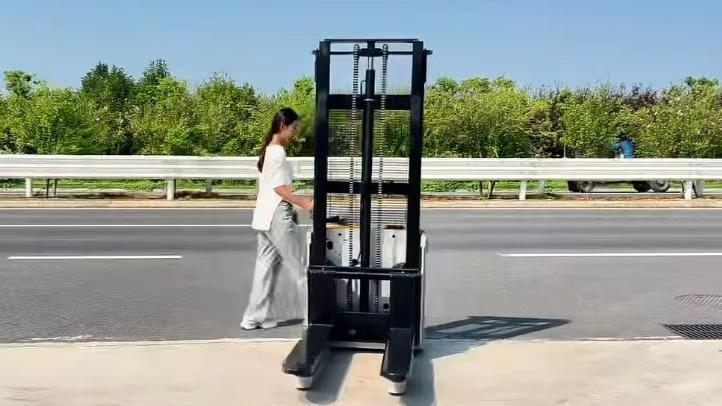
Mast Extensions: Optional extensions raise the reach but may reduce stability.
Adjustable Forks: Allow smaller pallets to be lifted safely at higher levels.
High-Lift Specialized Stackers: Designed specifically for multi-tier racking and narrow-aisle warehouses.
Always consider safety first when modifying or choosing equipment for higher lifts.
9. Common Misconceptions About Lifting Height
Maximum Height ≠ Practical Height: Just because a stacker can reach 5 meters doesn’t mean it should be used at that height with full loads.
Overloading Reduces Safety: Exceeding weight limits dramatically reduces stability.
Rated vs. Achievable Heights: Manufacturer specifications are ideal conditions; real-life lifting may be less.
Understanding these nuances helps operators prevent accidents and equipment damage.
10. Maintenance and Its Impact on Lifting Height
Regular maintenance ensures the stacker maintains its maximum lifting capability:
Hydraulic System Checks: Leaks or air in the system reduce lift efficiency.
Routine Inspections: Worn chains, cables, or mast components lower lifting performance.
Lubrication: Keeps moving parts smooth, reducing strain on motors and hydraulics.
Neglecting maintenance can shorten the stacker’s lifespan and limit lifting height.
11. Technological Innovations Affecting Lifting Height
Modern warehouses benefit from advanced stacker designs:
Electric Stackers with Advanced Hydraulics: Can lift higher loads with stability.
Compact Stackers for Narrow Aisles: Allow vertical stacking without increasing footprint.
Automated Stackers and Robotics: Integrate with warehouse automation for precise, high lifts.
Technology continues to push the limits of lifting height safely and efficiently.
12. Conclusion
Understanding the maximum lifting height of a pallet stacker is critical for warehouse planning, safety, and efficiency. Factors such as mast type, load weight, and operator skill determine the practical lifting height, not just the manufacturer’s specifications.
When selecting a pallet stacker:
Match stacker type to your warehouse requirements
Prioritize safety over maximum height
Maintain equipment regularly
Consider technological solutions for high-lift applications
By doing so, businesses can optimize storage, improve workflow, and reduce workplace accidents. Choosing the right pallet stacker with an appropriate lifting height is an investment in efficiency and safety.
Post time:Apr.09.2026
