
How to Get a Forklift Certification: A Complete Step-by-Step Guide
1. Introduction
Forklifts are essential machines in warehouses, construction sites, ports, and manufacturing facilities. They make it possible to move heavy loads efficiently, reduce manual labor, and improve productivity. However, operating a forklift without proper training can be dangerous. That’s why forklift certification is not just recommended—it’s required in many countries.
If you’re looking to start a career as a forklift operator or want to improve your job prospects, getting certified is a crucial step. In this guide, you’ll learn exactly how to get forklift certification, including requirements, costs, training options, and tips to pass the test.
2. What Is a Forklift Certification?
A forklift certification is an official document that proves an operator has completed proper training and demonstrated the ability to operate a forklift safely.
It’s important to understand that a forklift certification is not the same as a driver’s license. Instead, it is a workplace safety qualification issued after completing a training program.
In the United States, forklift training is regulated by OSHA (Occupational Safety and Health Administration). Employers are responsible for ensuring that all forklift operators are properly trained and certified before operating equipment.
3. Why Forklift Certification Is Important
Getting forklift certified offers several important benefits:
Safety:
Proper training reduces the risk of accidents, injuries, and damage to goods.
Legal Compliance:
Operating a forklift without certification can lead to fines and penalties for both employees and employers.
Career Opportunities:
Certified forklift operators are in high demand in industries like logistics, warehousing, and construction.
Higher Pay:
Certified operators often earn higher wages compared to untrained workers.
4. Basic Requirements to Get Certified
Before enrolling in a forklift certification program, you need to meet some basic requirements:
Minimum Age: Typically 18 years old
Physical Ability: Good vision, coordination, and overall health
Basic Understanding: Ability to follow instructions and safety procedures
In most cases, no formal education or prior experience is required, making forklift certification accessible to many people.
5. Types of Forklift Certifications
Forklift certification is not one-size-fits-all. Different types of forklifts require different training. Common categories include:
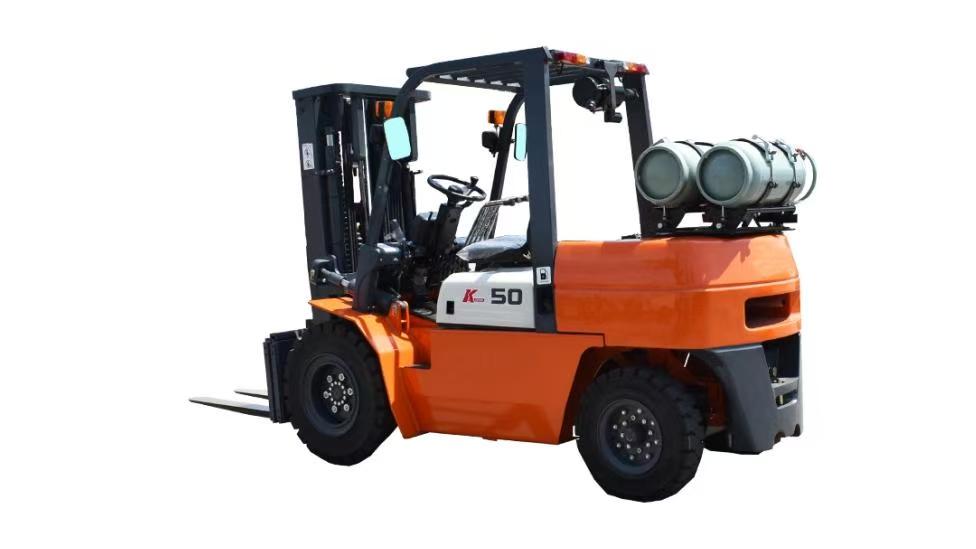
Counterbalance Forklifts: The most common type used in warehouses
Reach Trucks: Designed for narrow aisles and high stacking
Pallet Jacks: Manual or electric equipment for short-distance movement
Rough Terrain Forklifts: Used outdoors on uneven surfaces
Order Pickers: Used for retrieving items from high shelves
Choosing the right certification depends on the type of job you are aiming for.
6. Step-by-Step Process to Get Forklift Certification
6.1 Choose a Training Program
You can get forklift certification through:
Employer-sponsored programs
Local training centers
Community colleges
Online courses (combined with practical evaluation)
For beginners, a combination of online theory and in-person practical training is often the best option.
6.2 Complete Theoretical Training
The first part of the training covers essential knowledge, including:
Forklift components and controls
Workplace safety rules
Load capacity and stability
Hazard identification
This portion may be completed online or in a classroom setting.
6.3 Pass the Written Exam
After completing the theory portion, you’ll need to pass a written test. This exam typically includes multiple-choice questions covering:
Safety procedures
Equipment operation
Workplace hazards
Studying the training materials carefully will help you pass easily.
6.4 Practical Training and Evaluation
This is the most important step. You’ll demonstrate your ability to operate a forklift safely under supervision.
Skills tested include:
Starting and stopping the forklift
Steering and maneuvering
Lifting and lowering loads
Stacking and unstacking materials
An evaluator will assess your performance and ensure you meet safety standards.
6.5 Receive Certification
Once you pass both the written and practical tests, you will receive your forklift certification.
This usually includes:
A certificate or wallet card
Operator details
Date of certification
Type of equipment certified for
7. Online vs In-Person Forklift Training
Both training methods have advantages:
Online Training:
Flexible and convenient
Lower cost
Ideal for theory learning
In-Person Training:
Hands-on experience
Real equipment practice
Better for beginners
Most certification programs require a practical evaluation, even if the theory is completed online.
8. How Long Does It Take to Get Certified?
Forklift certification is relatively quick compared to other professional qualifications.
Typical Duration: 1 to 3 days
Online Courses: A few hours to complete theory
Practical Evaluation: Usually completed in one day
The exact time depends on your learning pace and the training provider.
9. Cost of Forklift Certification
The cost of certification varies depending on the provider and training type:
Online Courses: $20 – $100
In-Person Training: $100 – $300
Employer-Sponsored Training: Often free
Some employers cover the cost as part of employee training programs.
10. How Long Does Forklift Certification Last?
Forklift certification is not permanent.
Validity Period: Typically 3 years
After this period, operators must undergo refresher training and re-evaluation to remain certified.
11. How to Renew or Recertify
To maintain certification, you must complete recertification before it expires.
You may also need refresher training if:
You are involved in an accident
You are observed operating unsafely
You switch to a different type of forklift
Recertification usually involves a short review and a practical evaluation.
12. Common Mistakes to Avoid
When getting forklift certified, avoid these common errors:
Choosing unrecognized or low-quality training programs
Skipping hands-on practice
Ignoring safety procedures
Rushing through the learning process
Taking training seriously ensures both safety and long-term success.
13. Tips for Passing the Forklift Certification Test
Here are some practical tips to help you succeed:
Study safety guidelines carefully
Pay attention during training sessions
Practice operating the equipment as much as possible
Ask questions if anything is unclear
Stay calm and focused during the test
Confidence and preparation are key.
14. Where to Get Forklift Certification
You can obtain certification from several sources:
Local vocational schools
Community colleges
Specialized training centers
Online certification platforms
Employer training programs
Before enrolling, make sure the program meets recognized safety standards.
15. Job Opportunities After Certification
Forklift certification opens the door to many job opportunities, including:
Warehouse operator
Construction site worker
Logistics coordinator
Shipping and receiving clerk
Port and dock worker
Certified operators are in demand worldwide, especially in growing logistics and e-commerce industries.
Salary Expectations:
Pay varies by location and experience, but certified forklift operators generally earn competitive wages with opportunities for overtime and advancement.
16. Conclusion
Getting a forklift certification is a smart investment in your career. It improves workplace safety, ensures legal compliance, and increases your chances of landing a well-paying job.
The process is simple: choose a training program, complete the theory, pass the written test, demonstrate your skills, and receive your certification. With most programs taking just a few days, there’s no reason to delay.
Whether you’re starting a new career or upgrading your skills, forklift certification is a valuable step toward a safer and more successful future.
Post time:Apr.09.2026
