
Determining the precise replacement interval for forklift tires is not a matter of a simple timeline like "every six months" or "after 1,000 hours." It is a complex assessment grounded in the interplay of multiple dynamic factors, with safety and operational efficiency as the paramount guiding principles. Unlike automotive tires that follow mileage-based guidelines, forklift tires live a much more demanding life, subjected to constant loading, sharp turning, frequent starts and stops, and interaction with varied—and often harsh—floor surfaces. The primary determinants of replacement frequency begin with the fundamental type of tire itself. The two main categories, cushion (press-on) tires and pneumatic (air-filled) tires, have vastly different wear characteristics and lifespans. Cushion tires, made of solid rubber, are common on electric forklifts used primarily indoors on smooth surfaces. They wear down gradually, and their replacement is often tied to the point where the tire's diameter is significantly reduced, affecting the forklift's stability and mast operation. Pneumatic tires, resembling robust car tires, are used both indoors and outdoors and handle rougher terrain. Their lifespan is influenced by factors like air pressure, punctures, and tread wear. Understanding this basic dichotomy is the first step in establishing a coherent tire management program, as the inspection criteria and failure modes differ substantially between the two.
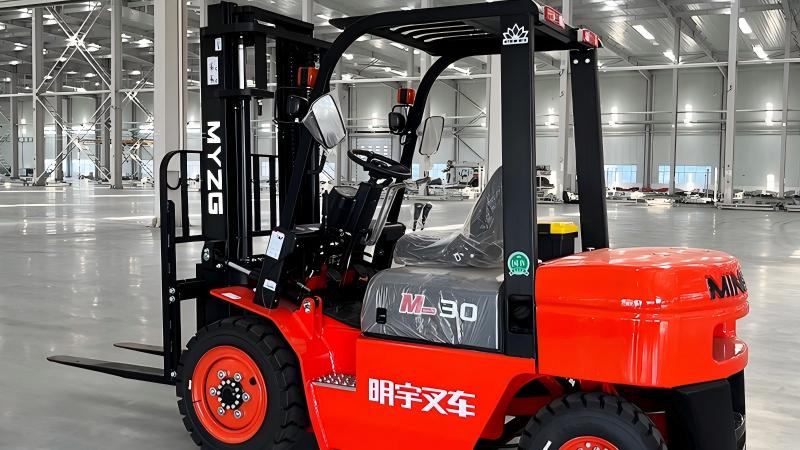
Beyond the tire type, the operational environment and duty cycle are the most critical variables. A forklift operating in a clean, temperature-controlled warehouse with smooth concrete floors will experience dramatically slower tire wear compared to one working in a lumber yard, recycling plant, or cold storage facility. Abrasive surfaces, exposure to oils, chemicals, or extreme temperatures (both hot and cold), and outdoor debris accelerate deterioration. Similarly, the intensity of use is a direct driver of wear. A forklift running in a high-throughput, 24/7 distribution center will require tire replacements far more frequently than one used for occasional light-duty tasks in a small workshop. The load profile also matters; consistently operating at or near the forklift's maximum rated capacity puts more stress on the tires than handling lighter loads. Furthermore, the operator's driving habits have a profound impact. Practices such as harsh cornering, spinning tires on the spot, dragging loads, and improper braking generate excessive friction and heat, leading to premature and often uneven wear. Therefore, a one-size-fits-all replacement schedule is impractical and potentially dangerous. A proactive, condition-based monitoring approach, rather than a rigid time-based one, is universally recommended by manufacturers and safety experts.
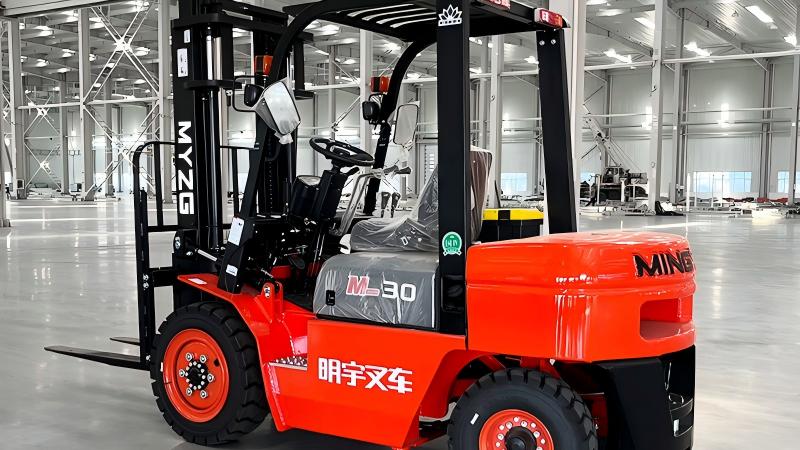
Recognizing the visual and performance-based signs of tire wear is an essential skill for every operator, technician, and fleet manager. For cushion tires, key indicators include excessive reduction in diameter (which can be measured against manufacturer specifications), visible flat spots or uneven wear patterns, deep cuts or chunks missing from the rubber, and separation of the tire from the metal rim. Most critically, if the tire wear reaches the point where the load wheels (the small rollers inside the fork carriage) or the floor itself contacts any part of the forklift chassis, replacement is immediately and absolutely mandatory, as this poses severe stability and electrical short-circuit risks. For pneumatic tires, standard automotive checks apply but with heightened vigilance: tread depth should be monitored (though minimum legal depths for road vehicles don't directly apply, sufficient tread is needed for traction), and tires should be replaced when tread wear indicators become visible. Bulges, blisters, deep sidewall cuts exposing the cord, and repeated air loss are all critical failure signs. Performance symptoms include noticeable vibration, decreased traction, difficulty steering, and uneven lifting or mast chatter. Implementing a daily pre-operation inspection that includes a thorough tire check is a fundamental best practice. This empowers operators to report issues before they escalate into accidents or cause collateral damage to the forklift's drivetrain and mast systems.
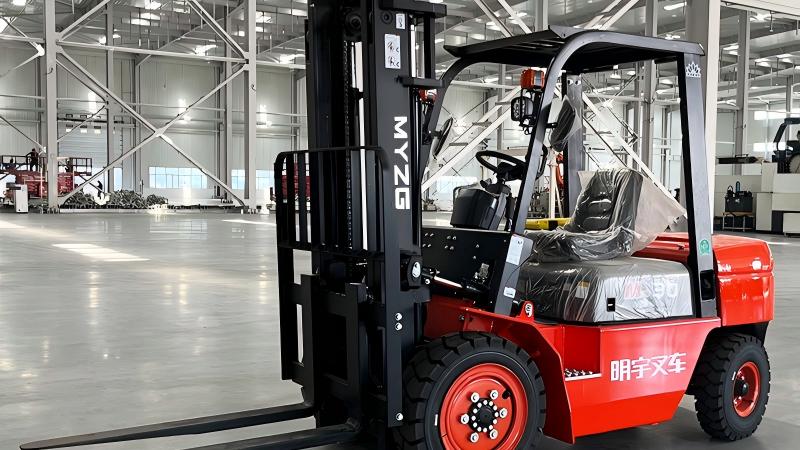
To systematize this process and optimize tire life, establishing a formal tire maintenance protocol is crucial. This involves regular, documented inspections by a qualified individual, accurate record-keeping for each forklift, and understanding the cost-benefit analysis of repair versus replacement, especially for pneumatic tires. Proper inflation is non-negotiable for pneumatic tires; under-inflation causes excessive sidewall flexing, heat buildup, and rapid wear, while over-inflation reduces the contact patch and leads to center tread wear and a harsher ride. Maintaining correct pressure as per the manufacturer's plate or manual is one of the simplest yet most effective longevity measures. For cushion tires, ensuring the forklift is not operated on surfaces it wasn't designed for (e.g., taking an indoor forklift outdoors) extends life significantly. Ultimately, the answer to "how often" is: replace forklift tires when their condition compromises safety or functional efficiency, as determined by vigilant, knowledgeable inspection. Investing in quality tires, training operators on proper handling, and maintaining a disciplined inspection routine will maximize service life, ensure operational safety, protect your valuable equipment, and provide a far greater return on investment than any arbitrary calendar-based schedule ever could.
Post time:Feb.10.2026
