
What Are the Common Safety Rules for Operating a Pallet Stacker? A Complete Safety Guide
Introduction
1. Pallet stackers are essential tools in warehouses, retail environments, and logistics operations. They are designed to lift, move, and stack palletized goods efficiently, helping businesses improve productivity and reduce manual labor. However, despite their relatively simple design compared to forklifts, pallet stackers can still pose serious safety risks if not used properly.
Accidents involving pallet stackers can lead to injuries such as crushed limbs, back strain, or falling loads. These incidents are often caused by improper handling, lack of training, or ignoring basic safety rules. That’s why understanding and following proper safety guidelines is crucial for both operators and employers.
In this comprehensive guide, we will explore the most common safety rules for operating a pallet stacker, including pre-operation checks, safe handling techniques, workplace awareness, and maintenance practices. Whether you are a beginner or an experienced operator, this article will help you work more safely and efficiently.
2. What Is a Pallet Stacker?
A pallet stacker is a type of material handling equipment used to lift and stack pallets to a certain height. It is commonly used in warehouses, factories, and distribution centers where goods need to be stored vertically.
There are several types of pallet stackers:
Manual pallet stackers: Operated by hand using a hydraulic pump
Semi-electric stackers: Combine manual movement with electric lifting
Fully electric stackers: Powered entirely by electricity for both movement and lifting
Each type serves different operational needs, but all require proper handling and safety awareness.
3. Why Safety Rules Are Critical
Even though pallet stackers are smaller than forklifts, they can still cause serious accidents. Common risks include:
Tipping over due to uneven loads
Crushing injuries to hands or feet
Falling loads that can strike workers
Collisions with other equipment or pedestrians
Ignoring safety rules not only endangers workers but can also lead to damaged goods, operational delays, and legal consequences for businesses. A safe working environment is essential for maintaining productivity and protecting employees.
4. Operator Training and Certification
Proper training is the foundation of safe pallet stacker operation. While certification requirements may vary by region, all operators should receive adequate instruction before using the equipment.
Training typically includes:
Understanding controls and functions
Learning load handling techniques
Identifying workplace hazards
Practicing safe maneuvering
Employers are responsible for ensuring that only trained personnel operate pallet stackers. Untrained operators are more likely to make mistakes that can result in accidents.
5. Pre-Operation Safety Checks
Before using a pallet stacker, operators should perform a thorough inspection to ensure the equipment is in good working condition.
Key checks include:
Forks: Ensure there are no cracks or bends
Hydraulic system: Check for leaks or unusual noises
Wheels and brakes: Confirm smooth movement and proper stopping
Battery (for electric models): Ensure it is fully charged and free of damage
Controls: Test all functions before use
If any issues are detected, the equipment should not be used until it is repaired.
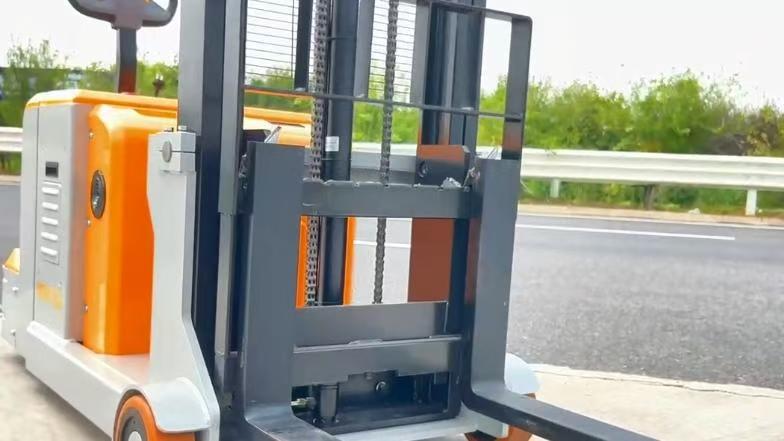
6. Proper Load Handling Rules
Handling loads correctly is one of the most important aspects of safe operation.
Follow these guidelines:
Never exceed the rated load capacity
Ensure the load is evenly distributed on the forks
Secure unstable or loose items
Keep the load as low as possible while moving
Avoid handling damaged pallets
Improper load handling is a leading cause of tipping accidents and falling materials.
7. Safe Operating Practices
When operating a pallet stacker, maintaining control and awareness is essential.
Best practices include:
Move at a controlled, steady speed
Keep a clear view of your path
Use warning signals when necessary
Avoid sudden stops or sharp turns
Keep hands and feet away from moving parts
Operators should always stay focused and avoid distractions such as mobile phones.
8. Workplace Environment Safety
A safe environment plays a major role in preventing accidents.
Employers and operators should ensure:
Pathways are clear of obstacles
Floors are dry and free of spills
Adequate lighting is available
Pedestrian zones are clearly marked
Traffic rules are followed within the facility
Working in a cluttered or poorly maintained area increases the risk of accidents significantly.
9. Battery and Electrical Safety (For Electric Stackers)
Electric pallet stackers require special attention to battery safety.
Important precautions include:
Follow proper charging procedures
Avoid overcharging the battery
Charge in a well-ventilated area
Wear protective gear when handling batteries
Be cautious of battery acid spills
Improper battery handling can lead to chemical burns, fires, or equipment damage.
10. Parking and Storage Safety
When not in use, pallet stackers should be parked safely to prevent hazards.
Always:
Lower the forks completely to the ground
Turn off the power (for electric models)
Park in designated areas
Avoid blocking emergency exits or walkways
Proper parking helps maintain a safe and organized workspace.
11. Common Mistakes to Avoid
Many accidents occur due to simple but avoidable mistakes:
Overloading the stacker
Skipping pre-operation inspections
Driving with raised loads
Ignoring warning labels
Allowing untrained personnel to operate equipment
Being aware of these mistakes can help prevent incidents before they happen.
12. Emergency Procedures
Knowing how to respond in an emergency is critical.
Operators should:
Stop the equipment immediately if a malfunction occurs
Secure the load if it becomes unstable
Report all incidents to supervisors
Follow workplace emergency protocols
Be familiar with basic first aid procedures
Quick and proper responses can minimize damage and injuries.
13. Personal Protective Equipment (PPE)
Wearing the right protective gear reduces the risk of injury.
Recommended PPE includes:
Safety shoes to protect feet from heavy loads
Gloves for better grip and hand protection
High-visibility clothing to increase visibility
Employers should enforce PPE usage at all times.
14. Maintenance and Regular Inspection
Regular maintenance ensures that pallet stackers remain safe and reliable.
Best practices include:
Scheduling routine inspections
Keeping maintenance records
Replacing worn or damaged parts
Addressing issues immediately
Neglecting maintenance can lead to equipment failure and accidents.
15. Conclusion
Operating a pallet stacker safely requires a combination of proper training, awareness, and adherence to established safety rules. From pre-operation inspections to correct load handling and workplace organization, every step plays a role in preventing accidents.
By following these common safety guidelines, operators can reduce risks, protect themselves and others, and maintain an efficient workflow. Employers must also take responsibility by providing training, maintaining equipment, and enforcing safety standards.
In the end, safety is not just a requirement—it is a responsibility shared by everyone in the workplace.
Post time:Mar.30.2026
