
The hydraulic system is the lifeblood of any backhoe loader, translating engine power into the formidable digging, lifting, and loading forces the machine is known for. When hydraulic issues arise, they can bring productivity to a grinding halt, leading to costly downtime and potentially severe component damage. Effective troubleshooting is not merely a repair task; it is a critical diagnostic skill that blends systematic observation with an understanding of hydraulic principles. The most prevalent problems manifest as visible leaks, sluggish or weak operation, excessive heat generation, and unusual noises. The first and golden rule in any hydraulic troubleshooting is safety: always lower all equipment to the ground, shut off the engine, and relieve all hydraulic pressure by moving control levers back and forth before inspecting any components. Begin with the simplest, most accessible checks before proceeding to more complex disassembly. A methodical approach starting with hydraulic fluid level and condition, moving through filters, and then to pumps, valves, and cylinders, is far more efficient than random part replacement. This foundational knowledge empowers operators and mechanics to identify symptoms accurately, trace them to their root cause, and implement the correct fix, thereby restoring the machine's power and efficiency while avoiding unnecessary expenditures on parts.
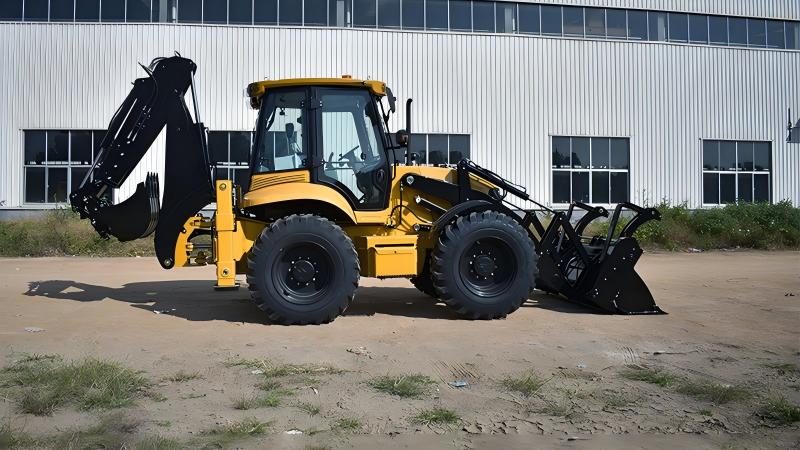
The most common and often initial symptom of hydraulic distress is a noticeable decline in performance, such as slow or weak operation. This can include lethargic cylinder movement, an inability to lift usual loads, or a general lack of digging power. The troubleshooting sequence for these issues should follow the path of hydraulic flow. Start by checking the hydraulic fluid level in the reservoir; a low level can cause pump cavitation and a massive drop in power. Next, inspect the fluid's condition. Fluid that is milky indicates water contamination, while a dark, burnt smell suggests overheating and breakdown, both of which degrade the fluid's ability to transmit power and lubricate. Proceed to examine the main suction filter and pressure filters. A clogged suction filter starves the pump, causing cavitation (often audible as a whining noise), while a blocked pressure filter can restrict flow to the valves and cylinders. If fluid and filters are correct, the next suspect is the hydraulic pump itself. Wear over time reduces the pump's volumetric efficiency, meaning it cannot generate the required flow and pressure. Using a flow meter and pressure gauge to test pump output against manufacturer specifications is the definitive diagnostic step. However, do not overlook external factors: check for issues like a slipping engine drive belt to the pump or internal leaks within the control valves or cylinder seals that allow high-pressure fluid to bypass internally, effectively robbing the system of its strength.
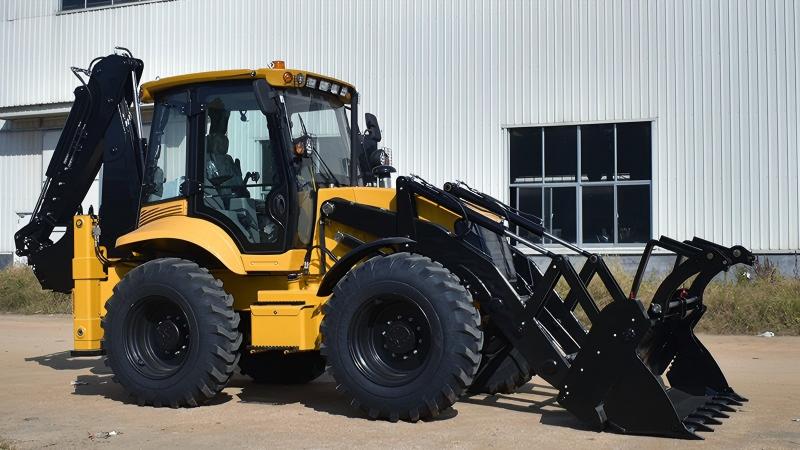
Hydraulic fluid leaks and contamination represent the twin nemeses of system reliability and longevity. External leaks are visibly apparent as puddles or wet, oily streaks on hoses, fittings, cylinder rods, or the pump and valve bodies. While a minor seepage might seem trivial, it introduces both fluid loss and a point of entry for abrasive contaminants. Persistent leaks lead to low fluid levels and system overheating. Repairing leaks often involves replacing O-rings, seals, or damaged hoses, but it is crucial to identify why the failure occurred—whether from old age, excessive pressure, improper installation, or misalignment. Contamination, however, is a silent killer. Particles of dirt, metal, or rubber entering the system act as abrasives, accelerating wear on pumps, valves, and cylinders. Beyond particulates, air and water are also harmful contaminants. Air in the system, or "aeration," causes spongy operation, erratic movement, and a distinct bubbling or knocking sound. It often enters through loose inlet connections on the pump suction line or low fluid levels. Water contamination, typically from condensation, promotes corrosion, degrades lubricity, and can cause fluid emulsification. The primary defense against contamination is rigorous maintenance: using the correct fluid grade, changing filters and fluid at recommended intervals, and ensuring all breather caps and filler caps are sealed cleanly during servicing. Always practice impeccable cleanliness when breaking into any hydraulic line.
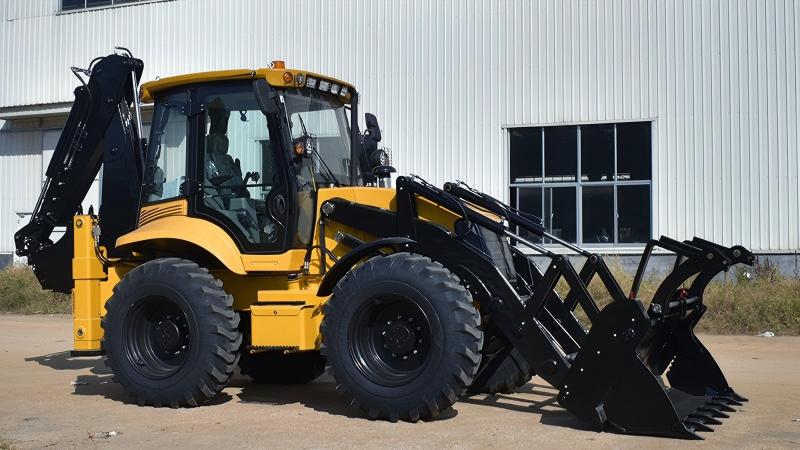
Beyond performance loss and leaks, a backhoe hydraulic system may exhibit more severe symptoms like severe overheating, complete failure to operate, or loud abnormal noises. Overheating, where the hydraulic reservoir or hoses become too hot to touch, is frequently a result of multiple interrelated issues. Common causes include using fluid with the wrong viscosity, a malfunctioning or bypassed cooling system (e.g., a clogged oil cooler or faulty heat exchanger fan), sustained operation at excessive relief pressure due to a blockage, or a severely worn pump or component creating internal friction. A system that fails to operate entirely, with no cylinder movement, points to a catastrophic failure of the primary pump, a sheared pump drive coupling, or a fully blocked or incorrectly installed filter. Unusual noises are critical diagnostic clues. A constant high-pitched whine usually indicates pump cavitation due to a restricted inlet (clogged filter, low oil, or collapsed hose). A loud knocking or chattering often signals severe aeration. A repetitive hammering sound may point to a damaged piston inside a hydraulic pump or motor. In confronting these complex issues, specialized tools like infrared thermometers to check component temperatures and ultrasonic detectors to pinpoint internal leaks or cavitation become invaluable. When symptoms point to major internal failures within pumps, motors, or valve blocks, consultation of detailed service manuals and often professional repair or replacement is the most cost-effective path to restoring system integrity and ensuring long-term machine health.
Post time:Jan.19.2026
