
Selecting the ideal pallet stacker for your warehouse is a critical decision that directly impacts operational efficiency, safety, and long-term profitability. This choice is far from one-size-fits-all; it requires a meticulous analysis of your specific operational landscape. The process begins with a fundamental assessment of your core requirements, forming the blueprint for all subsequent decisions. The most critical parameters are lifting capacity and lift height. Capacity must account for the weight of your heaviest typical load, not just the average, and include the weight of the pallet itself. Choosing a stacker that operates at its maximum capacity consistently will lead to premature wear and potential safety risks. Simultaneously, you must measure the exact maximum height to which you need to lift loads, not just your current storage racking height. Consider future needs—will you be maximizing vertical space soon? This capacity and height data is the non-negotiable foundation. The next vital consideration is your warehouse's physical environment. Precisely measure your narrowest aisles, doorways, and any tight turns the stacker must navigate. This will immediately determine whether you need a standard walkie stacker or a specialized narrow-aisle model. Furthermore, assess the floor conditions; uneven, cracked, or slightly sloped floors can affect stability and may require specific tire types. Understanding the daily duty cycle is equally important—how many hours per shift will the equipment operate, and how many lifts are performed? This assessment of core application parameters ensures you don't invest in an underpowered machine that strains under demand or an oversized, cumbersome one that cannot maneuver effectively in your space, thereby laying a precise groundwork for the next stage of selection.
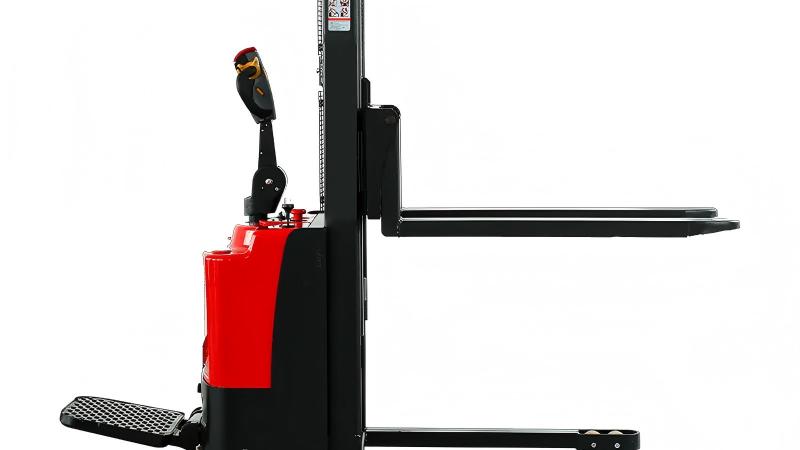
Once the operational parameters are defined, the next layer of decision-making involves choosing the appropriate power type and drive configuration, which significantly influence productivity, operator comfort, and total cost of ownership. Pallet stackers primarily fall into three categories: manual, electric walkie, and electric rider. Manual stackers, powered solely by hydraulic pumping and physical effort, are suitable for very low-volume, light-duty applications with infrequent lifting. However, for most modern warehouses, electric models are the standard due to their efficiency and operator ergonomics. Electric walkie stackers, where the operator walks behind the machine controlling it via a handle, are excellent for medium-duty cycles and offer excellent maneuverability in tight spaces. For higher-volume operations with longer transport distances, an electric rider stacker, where the operator stands on a platform, drastically reduces fatigue and increases throughput. The power source itself is another key consideration. Traditional lead-acid batteries require a dedicated charging space and a battery change or charging routine. Alternatively, modern lithium-ion batteries offer opportunity charging (quick charging during breaks), longer life spans, and reduced maintenance, though at a higher initial cost. Additionally, consider drive options: do you need a three-wheel configuration for supreme maneuverability in confined spaces, or a more stable four-wheel design for heavier loads on uneven surfaces? This decision matrix between manual effort and electric power, between walking and riding, and between battery technologies directly shapes your operational workflow and long-term energy costs.
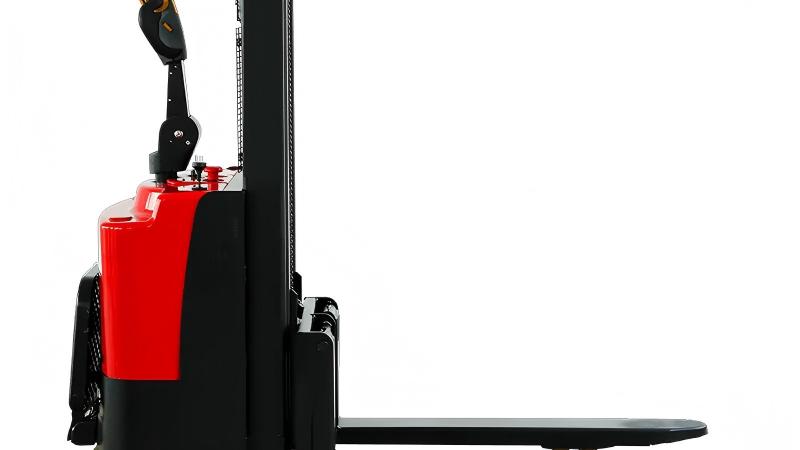
Beyond the basic mechanics, the features that enhance safety, efficiency, and operator well-being are what transform a basic stacker into a high-performance asset. Ergonomic design is paramount. For walkie models, look for an intelligently designed control handle with intuitive button placement, easy-to-reduce control levers for lifting/lowering, and a handle that can be comfortably operated over a full shift. Features like height-selector switches allow the operator to automatically raise the forks to a pre-set position, saving time and effort. Load backrest extensions are essential for stabilizing tall or unstable loads. From a safety perspective, essential features include horn, emergency brake, and limit switches to prevent over-lowering or over-hoisting. For rider models, consider platforms with anti-slip surfaces and adequate space. Furthermore, evaluate the visibility from the operator's position; a clear view of the fork tips and the path of travel is crucial for preventing accidents. For operations in cold storage or demanding environments, specific cold storage packages or more durable components are necessary. The ease of maintenance should also be a consideration. Models with easy access to service points, diagnostic displays, and reliable dealer support networks minimize costly downtime. Investing in these enhanced features may increase the upfront cost but pays substantial dividends in productivity gains, reduced product damage, lower worker compensation risk, and improved operator retention, creating a safer and more streamlined material handling process.
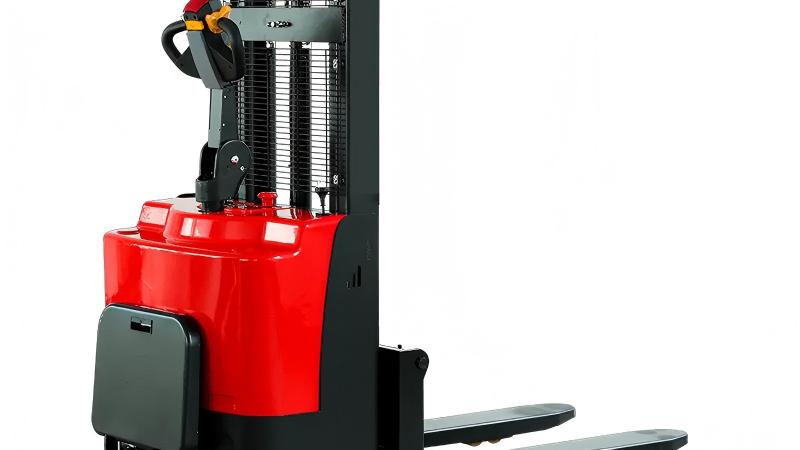
Finally, the selection process must be contextualized within the broader strategic framework of total cost of ownership (TCO) and vendor partnership. The initial purchase price is just one component of TCO. A cheaper, less reliable stacker can incur exorbitant costs through frequent repairs, extended downtime, and lower efficiency. Calculate potential costs for maintenance, estimated battery replacement (for electric models), and the expected lifespan of the equipment. A slightly higher initial investment in a robust, feature-appropriate stacker from a reputable manufacturer often yields a lower TCO over five to ten years. This leads to the critical importance of the vendor relationship. Choose a supplier with a strong local service network and readily available parts. Assess their responsiveness and the quality of their operator training programs—proper training is a safety and efficiency imperative, not an optional extra. Before finalizing your decision, if possible, arrange for a demonstration or a trial of the shortlisted models in your actual warehouse environment. There is no substitute for seeing how the equipment performs with your loads, on your floors, and within your aisles. By synthesizing the thorough analysis of your needs, the technical evaluation of power and features, and the strategic assessment of long-term value and support, you can confidently select a pallet stacker that not only moves pallets but also elevates your entire warehouse operation's performance, safety, and scalability.
Post time:Dec.31.2025
