
Maintaining the hydraulic brake system of a wheel loader is a critical procedure that ensures not only the operational efficiency of the machine but also the paramount safety of the operator and the worksite. Wheel loaders, being robust pieces of industrial machinery, are subjected to immense stress and demanding cycles, which makes their braking systems vulnerable to performance degradation over time. The primary culprits are often air ingress and moisture contamination within the hydraulic fluid. Air, being compressible, leads to a spongy or low brake pedal feel, significantly increasing stopping distances and creating a hazardous situation, especially when the machine is carrying a full bucket. Moisture, on the other hand, can cause internal corrosion of expensive components like calipers, wheel cylinders, and the master cylinder, and can lower the fluid's boiling point, leading to brake fade under heavy use. Therefore, a systematic approach to checking the system's integrity and performing a thorough brake bleed is not merely routine maintenance; it is an essential investment in the machine's reliability and job site safety. This process begins with a comprehensive visual and operational inspection before any tools are wielded.
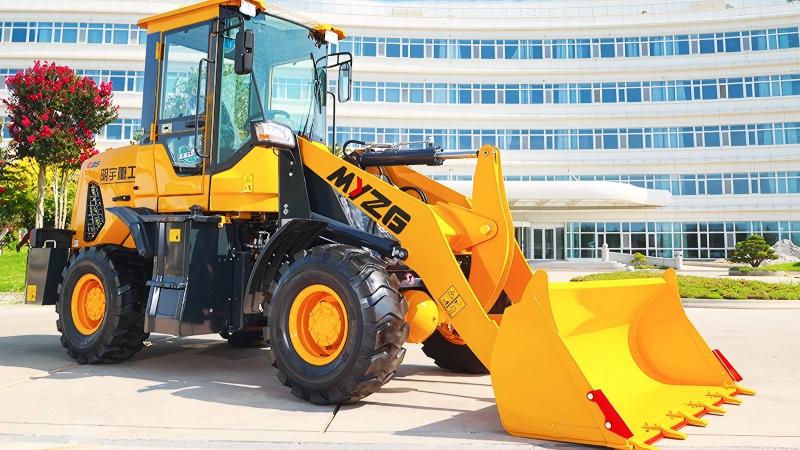
The initial phase, the inspection and preparation, is arguably as important as the bleeding itself. First, conduct a visual inspection of the entire brake system. Look for any signs of fluid leaks on the ground, around the master cylinder reservoir, brake lines, hoses, and especially at each wheel's brake caliper or actuator. Check the condition of the brake pads or linings and the rotors or drums for excessive wear. Next, with the engine off, pump the brake pedal to assess its feel. A firm pedal that offers consistent resistance is ideal. A pedal that feels soft, sinks slowly to the floor, or requires pumping to build pressure indicates air or fluid issues. Now, prepare for bleeding. Consult the machine’s specific service manual to identify the correct type of hydraulic brake fluid; using the wrong type can damage seals. Gather all necessary tools: a properly sized wrench for the bleeder screws, a length of clear vinyl tubing, a clear collection bottle, fresh, unopened brake fluid, and safety equipment like gloves and goggles. Ensure the loader is on a level, solid surface, the parking brake is engaged, and the transmission is in neutral. Clean all dirt and debris from around the master cylinder cap and brake bleeder valves to prevent contamination during the procedure.
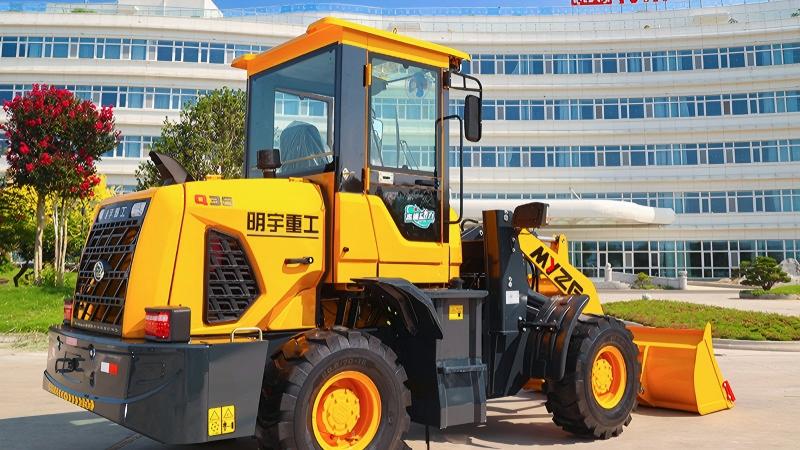
The actual bleeding procedure must follow a meticulous sequence, typically starting from the wheel farthest from the master cylinder and moving to the closest. For most wheel loaders, this sequence is: Right Rear, Left Rear, Right Front, Left Front. Begin by filling the master cylinder reservoir with fresh fluid and ensure it remains at least half-full throughout the entire process to prevent air from being drawn back into the system. Locate the bleeder screw on the first caliper or wheel cylinder. Attach one end of the clear tubing to the bleeder screw and submerge the other end in a bottle partially filled with clean brake fluid. Have an assistant slowly pump the brake pedal several times and then hold firm pressure. With pressure held, open the bleeder screw about a quarter to a half turn. You will see fluid, possibly with air bubbles, flow through the tube into the bottle. Once the flow stops, close the bleeder screw tightly before your assistant releases the brake pedal. This order is crucial to prevent air from being sucked back in. Repeat this process—pump, hold, open, close, release—for each wheel until the fluid streams out with no visible air bubbles. Continuously monitor the master cylinder reservoir level, topping it up with fresh fluid frequently. Never reuse fluid that has been bled from the system.
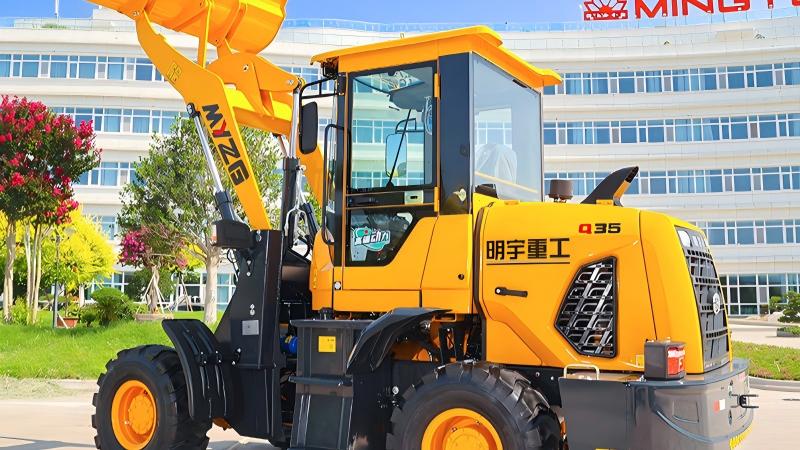
After completing the bleeding sequence at all wheels, a final series of checks is essential. Top up the master cylinder reservoir to the "Full" mark with fresh fluid and securely replace the cap. Conduct another brake pedal test. The pedal should now feel firm and solid under consistent pressure. Start the engine (in a well-ventilated area) and apply the brakes again; with power assistance, the pedal should be firm yet offer normal travel. Perform a low-speed operational test in a safe, clear area to verify brake responsiveness. Finally, inspect the entire system once more for any new leaks, especially around the bleeder screws you manipulated. Properly dispose of the used brake fluid according to local environmental regulations, as it is highly toxic and classified as hazardous waste. Document the service, noting the date, machine hours, and the type of fluid used. Regular brake system checks and timely bleeding, as recommended by the manufacturer or when symptoms arise, will ensure the wheel loader's braking system remains a dependable safeguard, protecting your valuable equipment and, more importantly, human lives on the worksite.
Post time:Feb.06.2026
