
How to Troubleshoot 4WD Transmission Issues in Off-Road Forklifts?
1. Introduction
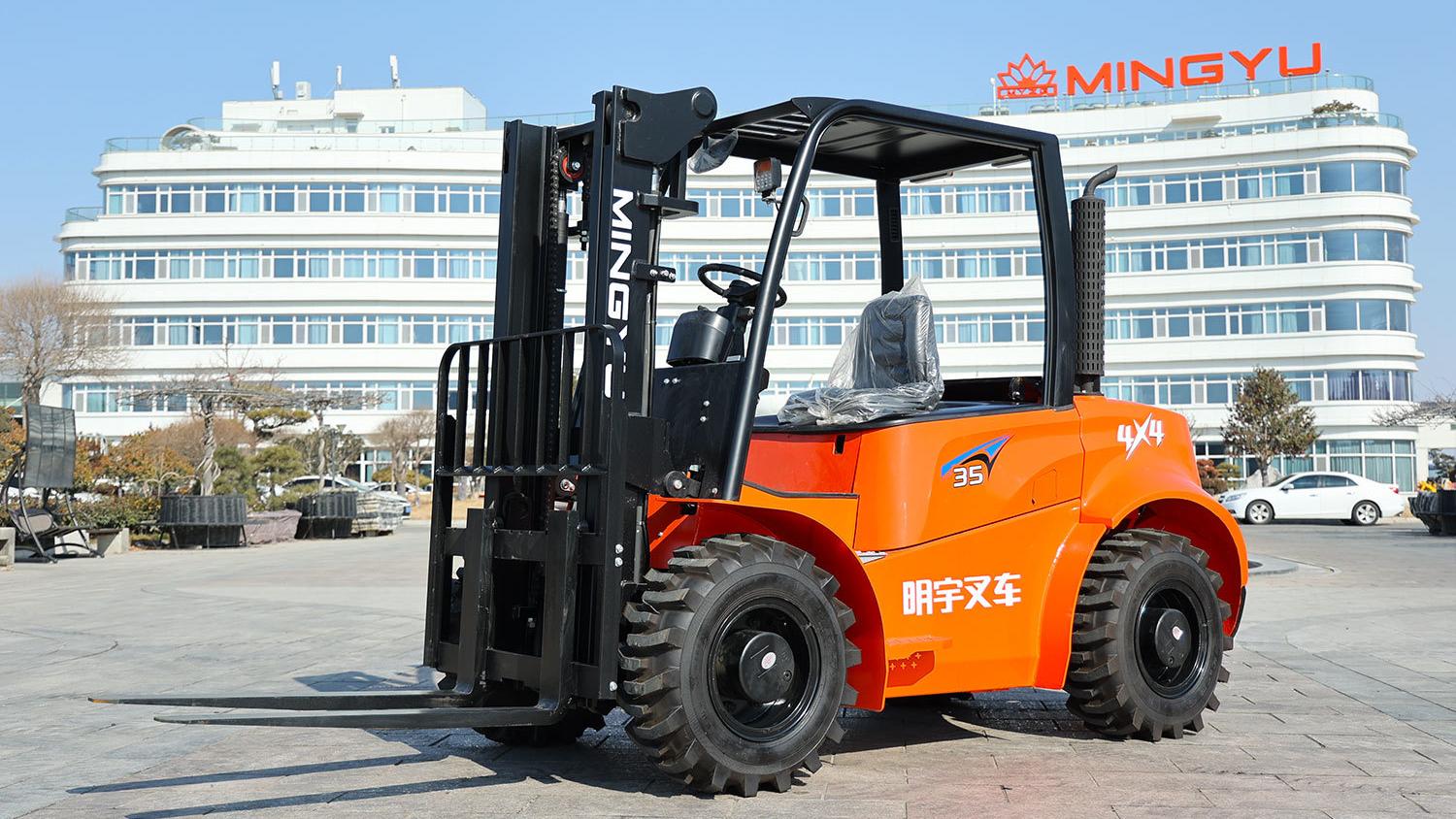
Off-road forklifts are designed to operate in challenging environments where standard warehouse forklifts cannot perform efficiently. Construction sites, farms, mines, forests, ports, and rough terrain job locations often require forklifts capable of handling mud, gravel, uneven ground, steep slopes, and heavy loads. To achieve this, many off-road forklifts use advanced four-wheel-drive (4WD) transmission systems that provide superior traction, stability, and climbing performance.
The transmission system is one of the most important components of an off-road forklift. It transfers engine power to the wheels and ensures smooth operation under demanding working conditions. When transmission problems occur, the forklift may lose pulling power, experience slipping, produce unusual noises, overheat, or even become completely inoperable. These issues can reduce productivity, increase downtime, and create serious safety risks for operators and nearby workers.
Because off-road forklifts often work in harsh environments filled with dust, mud, moisture, and heavy vibration, their transmission systems are exposed to greater wear and stress than ordinary industrial forklifts. Regular maintenance and proper troubleshooting are therefore essential to prevent costly breakdowns and extend machine service life.
This article explains how to troubleshoot common 4WD transmission issues in off-road forklifts. It covers the working principles of 4WD systems, common warning signs, major causes of failure, step-by-step diagnostic methods, repair solutions, preventive maintenance practices, and future transmission technologies.
2. Understanding the 4WD Transmission System in Off-Road Forklifts
2.1 What Is a 4WD Transmission?
A four-wheel-drive transmission system distributes engine power to all four wheels instead of only two wheels. This design improves traction and stability on difficult terrain.
Compared with 2WD forklifts, 4WD forklifts offer:
Better climbing ability
Improved traction on mud and sand
Increased load-handling stability
Enhanced off-road performance
4WD systems are commonly used in:
Rough terrain forklifts
Construction forklifts
Agricultural forklifts
Heavy-duty material handling equipment
2.2 Main Components of the Transmission System
A typical off-road forklift transmission system includes several important components.
Transmission Gearbox
Controls gear ratios and power transfer.
Torque Converter
Transfers engine power smoothly through hydraulic force.
Transfer Case
Distributes power between front and rear axles.
Differential
Allows wheels to rotate at different speeds during turning.
Drive Shafts
Transmit rotational power to the axles.
Axles
Support wheel movement and power delivery.
Hydraulic Control System
Manages shifting and transmission pressure.
2.3 How the 4WD System Works
The engine produces power that passes through the torque converter and gearbox before reaching the transfer case. The transfer case then sends power to both front and rear axles through drive shafts.
Hydraulic systems and electronic controls help:
Manage gear shifting
Maintain traction
Optimize torque distribution
Some forklifts also allow switching between 2WD and 4WD modes depending on terrain conditions.
3. Common Symptoms of 4WD Transmission Problems
3.1 Difficulty Moving or Loss of Power
One of the most common signs of transmission trouble is reduced driving performance.
Typical symptoms include:
Slow acceleration
Weak climbing ability
Difficulty moving under load
Delayed response when shifting gears
These problems often indicate fluid pressure loss or internal wear.
3.2 Unusual Noises
Abnormal sounds usually suggest mechanical damage.
Common noises include:
Grinding
Clicking
Whining
Humming
Different sounds may indicate worn gears, damaged bearings, or failing universal joints.
3.3 Transmission Slipping
Transmission slipping occurs when engine RPM increases but the forklift does not move properly.
Possible symptoms:
Sudden loss of traction
Gear disengagement
Inconsistent power delivery
Slipping may result from worn clutch components or low hydraulic pressure.
3.4 Overheating Issues
Overheating is dangerous because excessive heat damages transmission components.
Warning signs include:
High temperature alarms
Burning oil smell
Reduced machine performance
Heavy workloads and poor cooling systems often contribute to overheating.
3.5 Hydraulic Response Problems
Hydraulic-related transmission problems may cause:
Delayed shifting
Hard shifting
Jerky movement
Weak drive power
Hydraulic pressure loss is a common cause.
3.6 Fluid Leaks
Transmission oil leaks can quickly create severe damage.
Leak sources may include:
Damaged seals
Loose hoses
Cracked fittings
Worn gaskets
Low fluid levels reduce lubrication and cooling efficiency.
4. Causes of 4WD Transmission Failures
4.1 Low or Contaminated Transmission Fluid
Dirty or insufficient oil is one of the leading causes of transmission failure.
Contaminated oil may contain:
Metal particles
Water
Dirt
Burned fluid residue
Improper lubrication increases wear and overheating.
4.2 Worn Gears and Bearings
Heavy operation gradually wears internal transmission parts.
Common causes:
Excessive load
Poor lubrication
Long operating hours
Misalignment
Worn gears may produce grinding noises and vibration.
4.3 Damaged Drive Shafts or Axles
Off-road impacts can damage:
Drive shafts
Universal joints
Axles
Bent or broken components reduce power transfer efficiency.
4.4 Torque Converter Problems
A faulty torque converter may cause:
Weak acceleration
Slipping
Overheating
Reduced pulling power
Internal seal failure is common in older machines.
4.5 Hydraulic System Malfunctions
Hydraulic issues may involve:
Weak hydraulic pumps
Blocked filters
Faulty valves
Pressure leaks
Without proper hydraulic pressure, the transmission cannot operate correctly.
4.6 Electronic Sensor or Control Failures
Modern forklifts use electronic controls and sensors.
Problems may include:
Faulty speed sensors
Wiring damage
ECU communication errors
Calibration failures
Electronic faults can trigger warning lights and improper shifting.
5. Step-by-Step Troubleshooting Process
5.1 Perform a Visual Inspection
Begin with a complete visual inspection.
Check for:
Oil leaks
Loose connectors
Damaged hoses
Broken components
Visual inspections often reveal obvious problems quickly.
5.2 Check Transmission Fluid
Inspect:
Oil level
Oil color
Burned smell
Contamination
Healthy transmission oil should appear clean and properly filled.
5.3 Inspect the Drive Shafts and Axles
Look for:
Bent shafts
Cracked components
Loose universal joints
Alignment issues
Damaged shafts often create vibration and noise.
5.4 Test Hydraulic Pressure
Use pressure gauges to measure hydraulic system output.
Compare results with manufacturer specifications to identify:
Weak pumps
Pressure loss
Valve issues
5.5 Listen for Abnormal Sounds
Carefully identify the source of noises.
Examples:
Grinding may indicate gear damage
Whining may suggest bearing wear
Clicking may point to U-joint problems
5.6 Scan Electronic Systems
Diagnostic tools can detect:
Fault codes
Sensor failures
ECU communication problems
Electronic diagnostics improve troubleshooting accuracy.
5.7 Conduct Operational Testing
Test the forklift:
Under load
On uneven terrain
During climbing
During shifting
Operational tests help confirm real-world performance problems.
6. How to Fix Common 4WD Transmission Problems
6.1 Replacing Transmission Fluid and Filters
Old fluid should be replaced according to service schedules.
Important steps:
Drain contaminated oil
Replace filters
Use manufacturer-approved fluids
6.2 Repairing or Replacing Bearings and Gears
Damaged gears and bearings must be repaired promptly.
Precision installation is important to prevent future wear.
6.3 Fixing Hydraulic Problems
Repairs may include:
Cleaning filters
Replacing pumps
Repairing valves
Fixing hydraulic leaks
6.4 Repairing Drive Shafts and Differentials
Maintenance may involve:
U-joint replacement
Differential repair
Shaft balancing
Alignment correction
6.5 Solving Electronic Control Issues
Electronic repairs may require:
Sensor replacement
Wiring repair
ECU software updates
6.6 Addressing Overheating Problems
Solutions include:
Cleaning cooling systems
Maintaining oil coolers
Reducing excessive loads
Improving airflow
7. Preventive Maintenance Tips
7.1 Regular Fluid Maintenance
Routine oil changes reduce wear and improve cooling.
Always use:
Correct oil type
Clean filters
Recommended service intervals
7.2 Daily Inspection Procedures
Operators should inspect:
Oil leaks
Fluid levels
Unusual noises
Temperature warnings
7.3 Proper Operating Practices
Good driving habits help protect transmissions.
Avoid:
Sudden acceleration
Excessive overloading
Improper shifting
7.4 Keeping the Cooling System Clean
Dirty coolers reduce heat dissipation.
Maintenance includes:
Radiator cleaning
Oil cooler inspection
Airflow maintenance
7.5 Scheduled Professional Servicing
Professional inspections help detect hidden problems before major failures occur.
8. Safety Considerations During Transmission Repair
8.1 Lockout and Safety Procedures
Before repairs:
Shut down the engine
Release hydraulic pressure
Secure the forklift properly
8.2 Using Proper Lifting Equipment
Heavy transmission parts require safe lifting equipment to avoid injury.
8.3 Handling Hot Fluids Carefully
Transmission oil can become extremely hot.
Wear protective equipment and avoid direct contact.
8.4 Following Manufacturer Service Manuals
Always follow:
Correct torque settings
Approved repair procedures
Safety instructions
9. When to Seek Professional Assistance
9.1 Severe Internal Transmission Damage
Major internal failures require professional repair facilities.
Examples:
Broken gears
Bearing collapse
Severe contamination
9.2 Advanced Electronic Diagnostics
Complex ECU programming and calibration often require specialized equipment.
9.3 Recurring Transmission Failures
Repeated problems may indicate deeper system issues that require expert analysis.
9.4 Warranty and Dealer Support
Authorized dealers help:
Protect warranty coverage
Provide genuine parts
Ensure proper repairs
10. Future Trends in Off-Road Forklift Transmission Systems
10.1 Intelligent Transmission Monitoring
Modern systems now offer:
Real-time diagnostics
Predictive maintenance
Remote monitoring
10.2 Improved Hydraulic Efficiency
New hydraulic technologies improve:
Fuel economy
Response speed
Energy efficiency
10.3 Hybrid and Electric Off-Road Forklifts
Electric drivetrains reduce:
Mechanical complexity
Maintenance requirements
Fuel consumption
10.4 Advanced Traction Control Systems
Future forklifts may include:
Automatic terrain adaptation
Electronic differential management
Smart traction systems
11. Conclusion
The 4WD transmission system is critical to the performance, safety, and reliability of off-road forklifts. Because these machines operate under harsh conditions, transmission components experience heavy stress and wear over time. Common problems such as slipping, overheating, fluid leaks, hydraulic failures, and unusual noises should never be ignored.
By following proper troubleshooting procedures, conducting regular inspections, and performing preventive maintenance, operators can reduce downtime, avoid expensive repairs, and extend the service life of their forklifts. As technology continues evolving, modern transmission systems are becoming more intelligent, efficient, and reliable, helping off-road forklifts deliver even better performance in demanding environments.
Post time:May.28.2026
