
How to Operate a Wheel Loader Safely on a Construction Site?
1. Introduction
Wheel loaders are essential machines on modern construction sites. They are commonly used for loading soil, gravel, sand, rocks, demolition materials, and other bulk materials into trucks or stockpiles. With their powerful engines, large buckets, articulated steering systems, and high lifting capacity, wheel loaders can move large quantities of material efficiently. However, their size and power also mean that improper operation can create serious risks for operators, pedestrians, and other construction equipment.
Safe wheel loader operation is not simply about knowing how to drive the machine. Operators need to understand the machine’s operating limits, inspect it before each shift, assess the working environment, maintain good visibility, use the bucket correctly, and communicate effectively with workers around the machine. Ground conditions, slopes, excavations, overhead obstacles, traffic, weather, and other equipment can all affect safe operation.
A good safety routine begins before the engine is started. The operator should inspect the machine, check the work area, identify potential hazards, and make sure the wheel loader is suitable for the planned task. During operation, the operator should maintain a controlled speed, keep the bucket at a safe travel height, avoid sudden movements, and remain alert to pedestrians and other machines. After completing the work, the wheel loader should be parked and shut down correctly.
This guide explains the main procedures for operating a wheel loader safely on a construction site, from pre-operation inspection and site preparation to loading, traveling, working on slopes, parking, maintenance, and emergency procedures.
2. Understand the Wheel Loader Before Operation
Before operating a wheel loader, the operator should become familiar with the machine and its controls. Different manufacturers and models can have significant differences in operating procedures, hydraulic controls, transmission systems, braking systems, attachment controls, and safety features.
The operator should read the manufacturer’s operating manual and understand the functions of the steering wheel, accelerator, brake pedal, transmission controls, hydraulic controls, parking brake, lights, horn, warning indicators, and other controls.
It is also important to understand the wheel loader’s rated operating capacity and attachment limitations. A larger bucket does not necessarily mean that the machine can safely carry more material. Load weight, material density, bucket size, lifting height, ground conditions, and machine configuration can all affect stability and performance.
Only properly trained and authorized operators should operate construction equipment. Operators should never use a machine if they are unfamiliar with its controls or operating procedures.
3. Conduct a Pre-Operation Inspection
A daily inspection is one of the most important parts of wheel loader safety. The operator should inspect the machine before starting work and report any problems that could affect safe operation.
Start by checking the tires for damage, excessive wear, low pressure, or objects embedded in the tread. Inspect the wheels and wheel nuts for visible problems. Tires are particularly important because wheel loaders often work on uneven construction surfaces.
Next, inspect the hydraulic system. Look for leaking hoses, damaged hydraulic lines, loose fittings, or hydraulic fluid around cylinders and connections. Hydraulic leaks can reduce machine performance and may create safety hazards.
Check the engine oil, coolant, hydraulic oil, fuel, and other fluids according to the manufacturer’s recommendations. Inspect the bucket, cutting edge, linkage, pins, and attachment connections for cracks, excessive wear, or loose components.
The operator should also test the brakes, steering, lights, horn, mirrors, reverse alarm, warning systems, and other safety equipment. Any serious defect should be corrected before the machine is put into service.
4. Prepare the Construction Site
Even a properly maintained wheel loader can become dangerous if it is operated in an unsafe environment. Before beginning work, the operator should inspect the entire working area.
Look for soft or unstable ground, trenches, excavations, steep slopes, drop-offs, large rocks, construction debris, and other obstacles. Special attention should be given to areas close to excavations or embankments because the weight of a wheel loader can affect ground stability.
Operators should also identify overhead power lines, structures, pipes, cables, and other obstacles. The required safety distances and site procedures should always be followed.
Construction sites often have multiple types of equipment working simultaneously. Clearly defined traffic routes and pedestrian areas can reduce the risk of collisions. Where visibility is limited, a trained spotter may be required to help guide the machine.
5. Safe Starting and Mounting Procedures
When entering the wheel loader, use the steps and handrails correctly and maintain three points of contact whenever possible. Do not jump from the machine.
Once inside the cab, adjust the seat and mirrors so that the operator has the best possible view of the working area. Fasten the seat belt before starting the machine.
Check the instrument panel and warning indicators after starting. If an abnormal warning appears, follow the manufacturer’s instructions rather than continuing to operate the machine without checking the problem.
Before moving, check the area around the wheel loader. Make sure there are no people, obstacles, or other machines in the immediate travel path. Sound the horn when necessary and follow the construction site’s communication procedures.
6. Safe Driving and Maneuvering
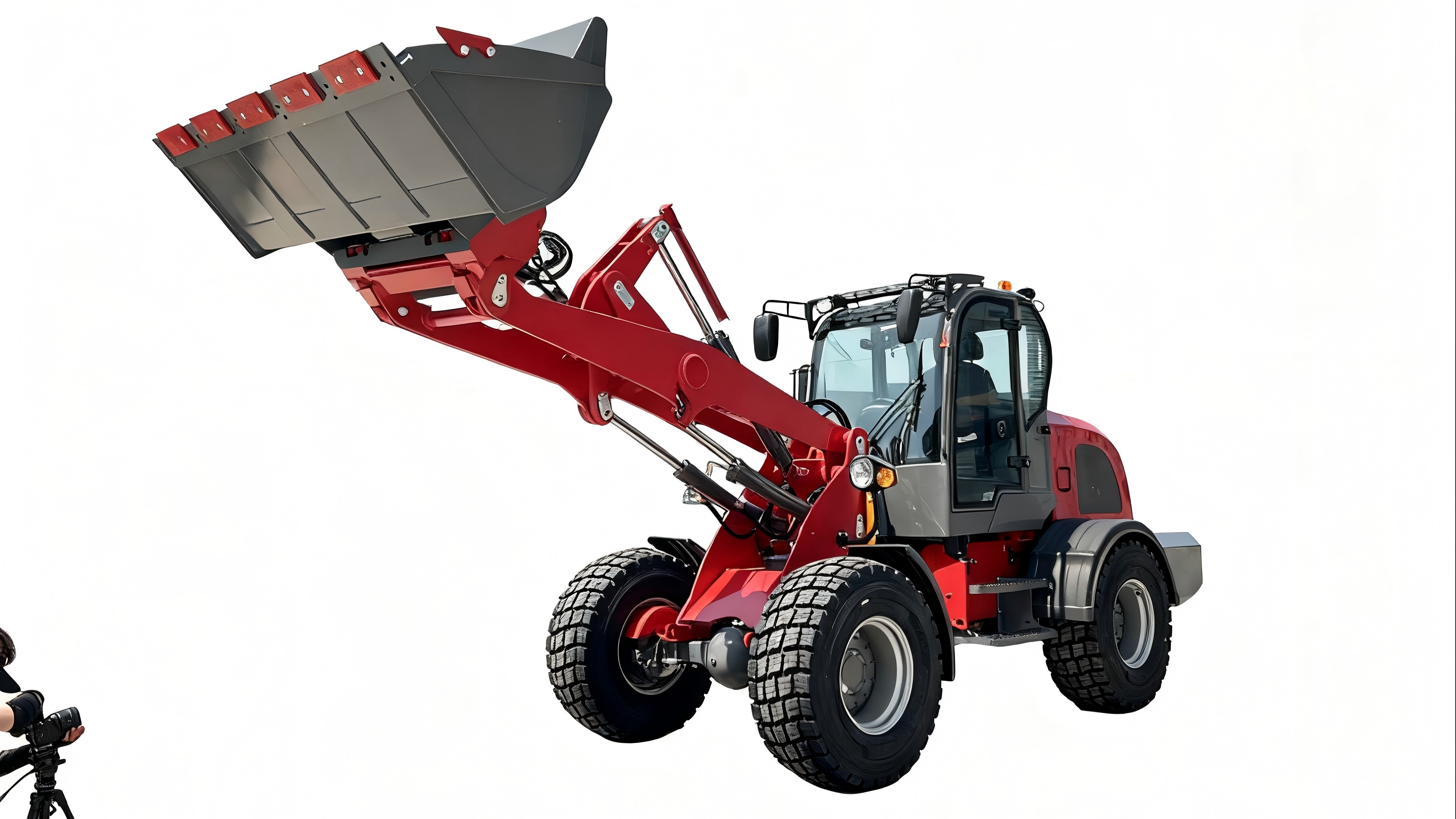
Wheel loaders should be driven at a speed appropriate for the site conditions. Construction sites can contain uneven surfaces, loose materials, pedestrians, narrow passages, and unexpected obstacles, so excessive speed can make the machine difficult to control.
During travel, keep the bucket low enough to maintain stability and visibility while avoiding contact with the ground. A raised bucket can change the machine’s center of gravity and reduce stability.
Avoid sudden acceleration, braking, or steering. When turning, especially with a loaded bucket, reduce speed and make smooth movements.
Reversing requires particular attention because visibility behind a wheel loader can be limited. Check mirrors and cameras, look around the machine when possible, and use a trained spotter when required by site conditions.
Operators should never carry passengers unless the machine has a manufacturer-approved passenger seat specifically designed for that purpose.
7. Safe Loading and Material Handling
When loading material, approach the pile under controlled conditions. Avoid hitting the pile at excessive speed because this can place unnecessary stress on the machine and may reduce operator control.
The bucket should be loaded according to the machine’s rated capacity and the characteristics of the material. Heavy materials such as rocks can reach the machine’s maximum capacity much faster than lighter materials such as loose soil.
Avoid carrying an unstable or excessively large load. During travel, keep the load positioned safely and avoid unnecessary lifting.
When loading a dump truck, the operator should maintain clear communication with the truck driver and ensure that people remain outside the danger area. The wheel loader should be positioned correctly and operated smoothly to prevent material from being spilled or the machines from contacting each other.
8. Working Safely on Slopes and Uneven Ground
Slopes present additional stability risks. Before working on a slope, the operator should evaluate its steepness, surface condition, traction, and load requirements.
Where appropriate, travel straight up or down a slope rather than making unnecessary sideways movements. Avoid turning sharply on steep or slippery surfaces.
Keep the bucket as low as practical while traveling. A high bucket can raise the center of gravity and make the machine less stable.
Extra caution is required when carrying heavy loads on slopes. Operators should follow the machine manufacturer’s instructions for maximum slope angles and operating conditions.
Never operate too close to the edge of an excavation, ditch, or unstable embankment. The required setback should be determined according to site conditions and the construction site’s safety procedures.
9. Working Around People and Other Equipment
Pedestrian interaction is one of the most important safety concerns on construction sites. Wheel loaders have areas around the machine that may be difficult for the operator to see.
A clearly defined exclusion zone can help keep workers away from the machine’s operating area. Workers should never approach a moving wheel loader without appropriate communication.
Operators should use the horn, lights, mirrors, cameras, radios, and other communication systems provided by the site or machine.
When working near excavators, dump trucks, cranes, forklifts, or other machinery, maintain adequate separation and follow established traffic rules. Never assume that another operator has seen the wheel loader.
10. Safe Bucket and Attachment Operation
Wheel loaders may use different attachments, including buckets, forks, grabs, and other specialized tools. Each attachment should be approved for the specific machine and installed according to the manufacturer’s instructions.
Before operation, check that the attachment is correctly connected and secured. Inspect locking mechanisms, pins, hydraulic connections, and other attachment components.
Do not exceed the rated capacity of either the machine or the attachment. Operators should also understand that different attachments can change the machine’s weight distribution and operating characteristics.
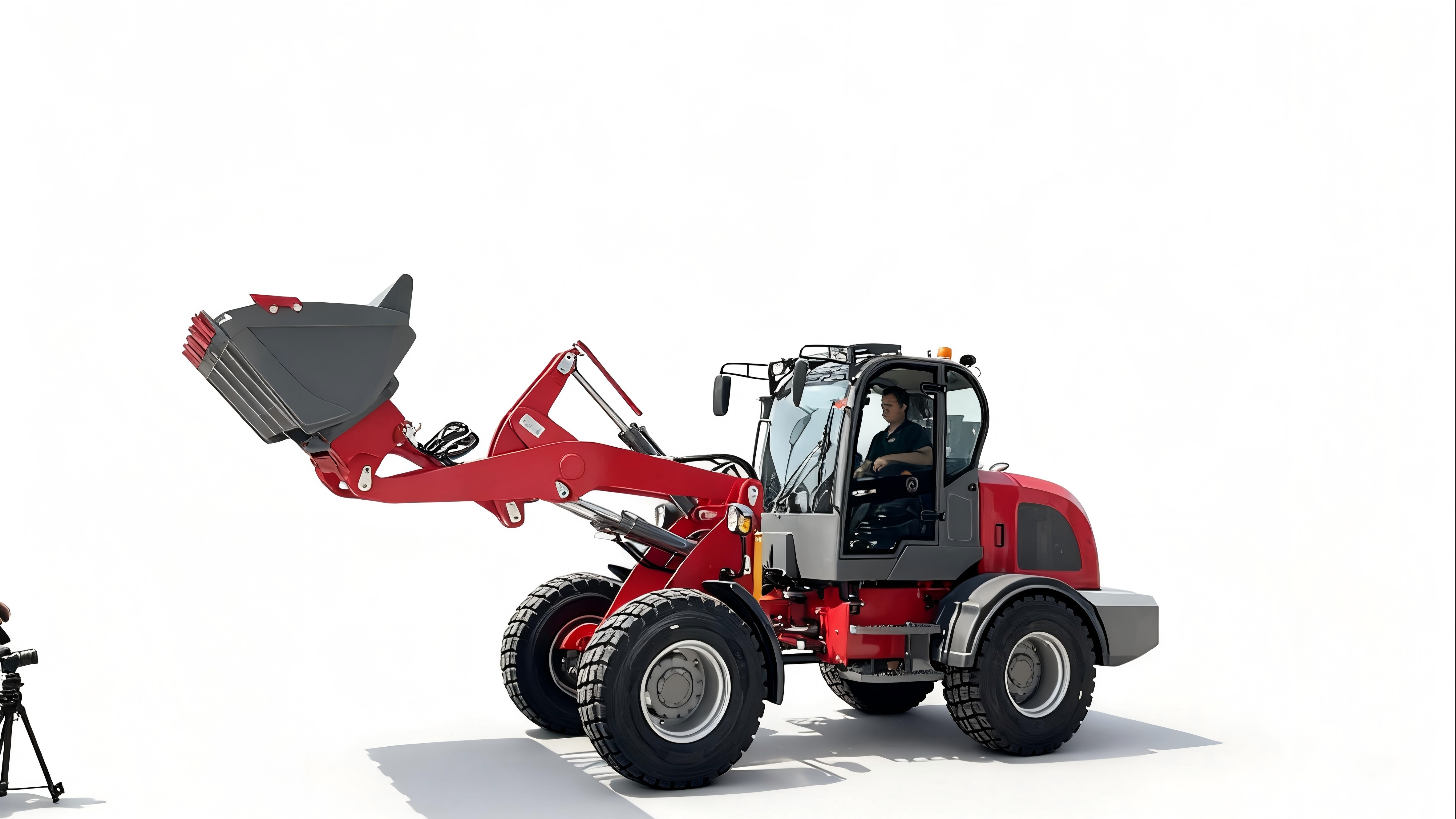
Never allow people to stand underneath a raised bucket or attachment. When leaving the machine, lower the attachment to the ground whenever possible.
11. Safe Operation in Special Conditions
Construction sites may present difficult conditions such as mud, rain, dust, snow, extreme temperatures, or poor visibility. These conditions can significantly affect traction, braking, visibility, and machine performance.
In muddy or wet conditions, reduce speed and avoid sudden steering movements. In dusty environments, use appropriate visibility measures and maintain adequate spacing between machines.
When visibility is poor, work should be stopped or additional controls such as lighting and a trained spotter should be used if appropriate.
When operating near overhead power lines, follow the site’s electrical safety procedures and maintain the required clearance. Operators should never assume that a line is safe simply because it appears inactive.
12. Parking and Shutdown Procedures
When the work is finished or the machine needs to be left unattended, park the wheel loader in a suitable location. Whenever possible, choose firm, level ground away from traffic routes, excavations, and unstable edges.
Lower the bucket or attachment completely to the ground. Apply the parking brake and place the controls in the correct position according to the manufacturer’s instructions.
Allow the machine to shut down according to the recommended procedure. Remove the key when required and secure the machine against unauthorized use.
If parking on a slope is unavoidable, follow the manufacturer’s parking instructions and the construction site’s procedures. Additional precautions, such as wheel chocks, may be required.
13. Common Wheel Loader Safety Mistakes to Avoid
Several common mistakes can increase the risk of accidents.
One is skipping the pre-operation inspection because the machine appeared to work normally the previous day. Mechanical problems can develop between shifts, so every working day should begin with an inspection.
Another common mistake is traveling too fast. Speed reduces the operator’s reaction time and can make the machine harder to control on uneven surfaces.
Carrying the bucket too high while traveling is also unsafe because it can affect stability and visibility. Overloading the bucket can place excessive stress on the machine and reduce stability.
Operators should never carry unauthorized passengers, operate while distracted, or ignore warning lights and unusual noises.
Maintenance should also never be performed under a raised attachment unless it has been properly supported and the correct safety procedures are being followed.
14. Maintenance and Safety
Regular maintenance helps keep the wheel loader safe and reliable. Follow the manufacturer’s recommended maintenance intervals for the engine, transmission, hydraulic system, brakes, tires, steering system, and other components.
Keep steps, handrails, mirrors, windows, and the operator’s cab clean so that the operator can enter and exit safely and maintain good visibility.
Before performing maintenance, the machine should be parked and secured according to the manufacturer’s procedures. Attachments should be lowered or mechanically supported as required.
Hydraulic systems can remain pressurized even after the engine has stopped. Never disconnect hydraulic components without following the manufacturer’s pressure-release procedures.
Any defect that could affect safe operation should be reported immediately and the machine should be removed from service when necessary.
15. Emergency Procedures
Operators should understand the construction site’s emergency procedures before beginning work. They should know how to communicate an emergency and where to go if the work area needs to be evacuated.
If the wheel loader develops a serious mechanical problem, the operator should stop safely and follow the manufacturer’s instructions. Do not continue operating a machine that has a serious brake, steering, hydraulic, or structural problem.
If the machine contacts an overhead electrical line, the operator should follow the site’s established electrical emergency procedure and avoid creating additional hazards. Other workers should not approach the machine until the situation has been made safe by the appropriate personnel.
Construction companies should provide emergency training and ensure that operators understand the specific risks associated with their worksite.
16. Final Wheel Loader Safety Checklist
Before operating a wheel loader, the operator should ask:
Am I properly trained and authorized to operate this machine?
Have I completed the pre-operation inspection?
Are the tires, brakes, steering, hydraulics, and attachments in good condition?
Is the bucket or attachment correctly secured?
Is the work area free from unnecessary hazards?
Are pedestrians and other machines separated from the operating area?
Are there excavations, slopes, overhead lines, or unstable surfaces nearby?
Is the load within the machine’s rated capacity?
Is the bucket at a safe height during travel?
Am I traveling at a suitable speed?
Can I clearly see the travel and working areas?
Do I know the site’s emergency and communication procedures?
If any answer is no, the operator should address the problem before continuing.
17. Conclusion
Safe wheel loader operation requires more than simply knowing how to move the machine and operate the bucket. It requires proper training, careful inspection, awareness of the working environment, good communication, and consistent attention to machine stability and load limits.
Operators should inspect the machine before every shift, evaluate ground conditions, maintain safe speeds, keep the bucket in a safe position, watch for pedestrians and other equipment, and follow the manufacturer’s operating instructions. Particular care is needed when working on slopes, near excavations, around overhead power lines, or in areas with limited visibility.
Construction companies also play an important role by providing operator training, establishing traffic and pedestrian-control procedures, maintaining equipment properly, and ensuring that unsafe machines are removed from service.
Ultimately, productivity and safety should work together. A well-trained operator using a properly maintained wheel loader and following established site procedures can move materials efficiently while reducing unnecessary risks. Inspect the machine, assess the site, operate within the machine’s limits, communicate clearly, and stop whenever conditions become unsafe.
Post time:Aug.11.2026
