
The frequency of forklift tire replacement is not governed by a simple timeline like months or years, but rather by a careful assessment of wear and condition dictated by intensity of use, operating environment, and tire type. Unlike automobile tires which may have mileage estimates, forklift tires endure unique stresses including heavy loads, constant start-stop motion, sharp turns, and exposure to harsh industrial debris. Consequently, a proactive, condition-based inspection regimen is paramount. The cornerstone of determining replacement need is regular and thorough visual and operational checks, ideally integrated into daily or pre-shift inspections. Operators and maintenance personnel must look for signs such as excessive wear on the load-bearing face, significant cuts or gouges that expose cord material, embedded foreign objects, swelling, or any signs of separation between the tire components. For pneumatic tires, maintaining correct air pressure is critical, as under-inflation accelerates wear and generates excess heat, while over-inflation reduces traction and makes the tire more susceptible to cuts. Ultimately, waiting for a tire to fail catastrophically on the job is not an option; such an event poses severe safety risks, including loss of load stability, potential tip-overs, and compromised braking, alongside causing damage to the forklift itself and the facility floor.
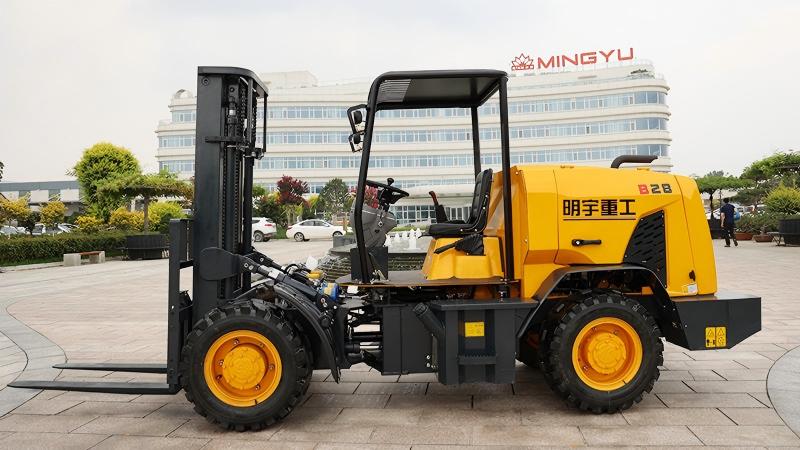
The type of tire is the single most significant factor determining replacement intervals, primarily split into the two broad categories: pneumatic (air-filled) and solid (press-on or polyurethane). Pneumatic tires, similar to car tires, offer superior cushioning and traction, especially on uneven outdoor surfaces. However, they are more prone to punctures and wear faster under heavy continuous use. Their replacement cycle can vary dramatically; a forklift operating multiple shifts on rough construction sites may require new pneumatics every few months, while one in light indoor service might last over a year. Solid tires, comprising solid rubber or polyurethane pressed onto a metal band, are virtually puncture-proof and exhibit far slower wear rates. They are the standard for indoor warehouse use on smooth floors. While they have a much longer lifespan, often lasting several years, they are not indestructible. They wear down gradually, reducing the forklift's ground clearance, and can develop chunks or deep grooves. A critical rule for solid tires is replacement when the wear reaches the "tire wear line" indicator moulded into the tire's sidewall or when overall diameter is significantly reduced, as this affects mast stability and can alter the forklift's center of gravity.
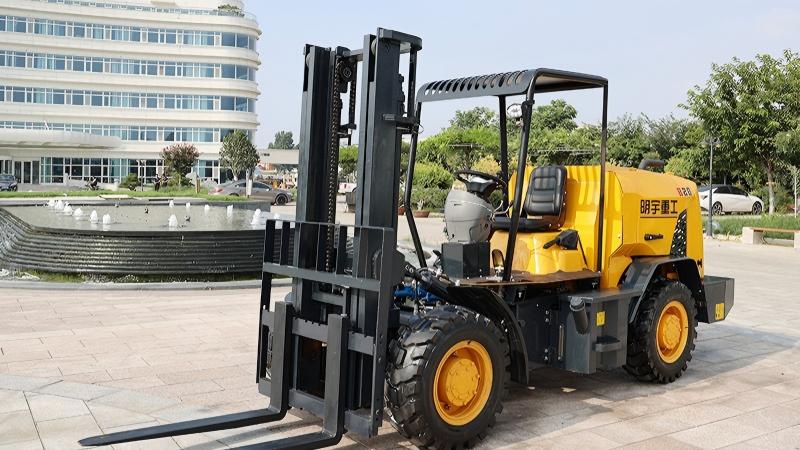
Beyond obvious physical damage, several nuanced performance indicators signal that tire replacement is overdue. A noticeable increase in vibration or a rougher ride, especially in forklifts with cushion tires, often points to flat-spotting or uneven wear, demanding attention. Excessive slippage or loss of traction, particularly when the forklift is unloaded, indicates the tread pattern is worn smooth. For electric forklifts, worn tires can lead to increased energy consumption as the motor works harder to overcome rolling resistance. Furthermore, tire condition directly impacts floor health. Worn-out solid tires, or those with embedded debris, can leave black skid marks or, worse, gouge and damage expensive polished concrete floors. Another often-overlooked aspect is the "set" of tires. Forklifts should ideally have tires replaced in pairs (on the same axle) to maintain even contact and stability. Replacing just one overly worn tire on a drive axle can lead to uneven drive and potential strain on the transmission. Establishing a formal tracking system, logging inspection dates and wear measurements, helps move from reactive replacement to predictive maintenance, optimizing budgets and downtime.
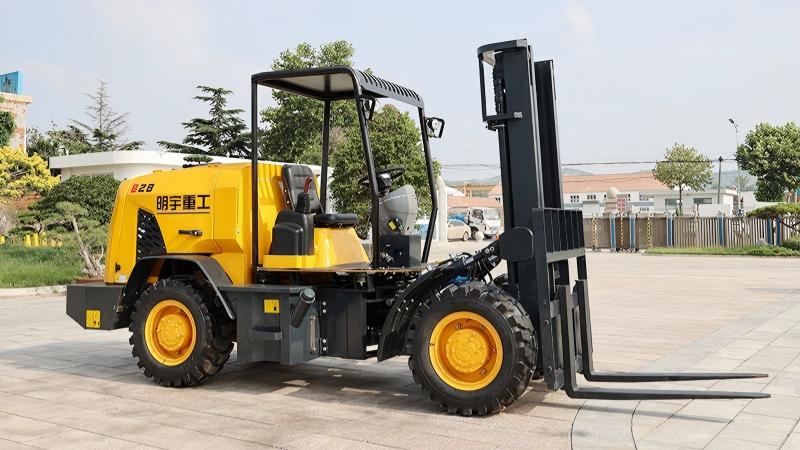
In conclusion, a prescriptive replacement schedule is less effective than a culture of diligent inspection and understanding operational context. Management should empower operators to report tire issues immediately and schedule formal monthly inspections by maintenance staff. The cost of a new set of tires is invariably lower than the cost of an accident, a ruined floor, or prolonged downtime. Investing in the correct tire for the specific application—be it a non-marking polyurethane for food-grade environments, a heavy-duty pneumatic for lumber yards, or a resilient solid rubber for high-traffic distribution centers—is the first step toward maximizing tire life. By prioritizing tire health as a core component of forklift safety and operational efficiency, businesses ensure smoother operations, protect their valuable equipment and infrastructure, and most importantly, safeguard their personnel. The mantra should be: inspect constantly, understand the wear indicators for your specific tire type, and replace proactively rather than reactively.
Post time:Jan.23.2026
