
The question of forklift maintenance and repair costs is fundamental for any business relying on material handling, directly impacting the bottom line and operational efficiency. Unlike a simple purchase price, these expenses represent the ongoing and often unpredictable financial commitment of owning or leasing a forklift. Understanding these costs requires moving beyond averages and delving into a framework of variables: the type of forklift (electric, internal combustion), its age, intensity of use, operating environment, and the chosen maintenance strategy. For a business, this isn't merely an accounting line item; it's a key component of the Total Cost of Ownership (TCO), which typically far exceeds the initial purchase over the machine's lifespan. A proactive approach to understanding these costs empowers managers to budget accurately, prevent catastrophic failures, and make informed decisions about fleet management. It transforms maintenance from a reactive, costly burden into a strategic, predictable investment in productivity and safety. Ignoring this calculus risks not only unexpected financial shocks but also severe operational disruptions, as a single downed forklift can stall an entire logistics chain. This analysis will provide a comprehensive breakdown, translating industry data and expert insights into actionable knowledge for controlling these essential expenses.
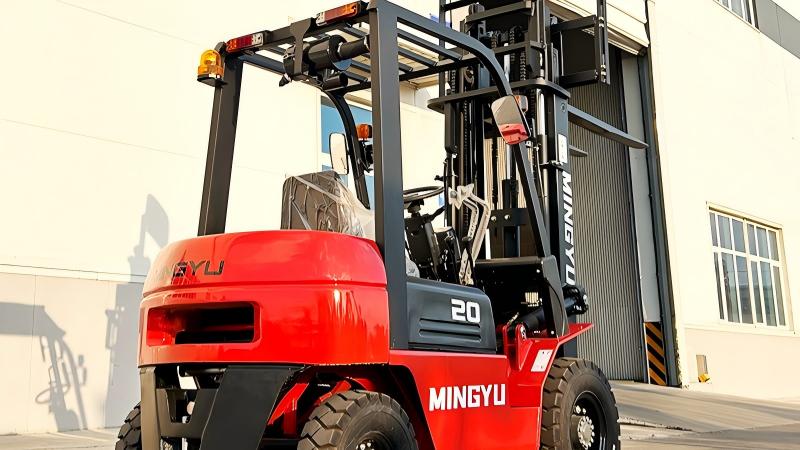
Breaking down the cost structure reveals two primary categories: scheduled preventive maintenance and unscheduled repairs. Preventive Maintenance (PM) is the planned, routine care designed to prevent major failures. Annual costs for a comprehensive PM program typically range from $500 to $1,500 per forklift for standard internal combustion (IC) models, and $750 to $2,000+ for electric models. Electric forklifts often have higher PM costs due to specialized battery maintenance (watering, equalizing charges, cleaning connections) and electrical system checks, though they offset this with lower energy costs and fewer consumables like oil and filters. A PM service includes critical tasks: changing engine oil and hydraulic fluid, replacing filters (air, oil, fuel), inspecting and adjusting brakes, steering, and mast components, checking tire condition, and verifying safety systems. Adhering to a strict PM schedule, as outlined in the manufacturer’s manual, is the single most effective way to control long-term repair costs, potentially reducing them by up to 25%. Unscheduled Repouts are the reactive, often expensive fixes required when components fail. These costs are highly variable but can be staggering. Common examples include: mast repair or rebuild ($1,500 - $5,000+), transmission overhaul ($2,000 - $5,000), engine major repair ($3,000 - $8,000), and drive motor or controller replacement on an electric model ($2,000 - $6,000). The defining characteristic of repair costs is their unpredictability and potential to escalate quickly if minor issues are ignored, inevitably leading to more severe collateral damage. The pivotal difference between these categories is control; PM is a predictable, budgetable expense, while repairs are a financial risk.
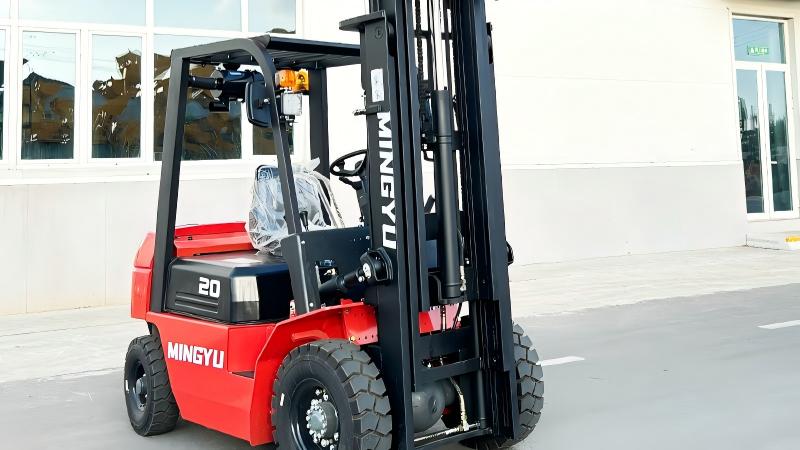
The final cost is profoundly influenced by several interconnected factors. First, forklift type and power source set the baseline. Electric forklifts generally have higher upfront PM costs (battery care) but lower costs for "consumable" parts compared to IC engines, which require regular replacement of spark plugs, filters, and fluids. However, when major components fail on an electric truck, the parts (controllers, sensors, motors) are often more expensive. Second, operational severity is a major multiplier. A forklift running 24/7 in a cold storage warehouse or an outdoor construction site with dusty, uneven terrain will incur costs far above one used for 8-hour shifts in a clean warehouse. This environment accelerates wear on tires, brakes, hydraulics, and the entire chassis. Third, labor rates vary dramatically by region and service provider, ranging from $90 to $150+ per hour for a certified technician. This labor cost applies to both PM and repairs. Fourth, parts sourcing—using Original Equipment Manufacturer (OEM) parts versus aftermarket or refurbished components—affects both price and long-term reliability. OEM parts are more expensive but ensure compatibility and often come with better warranties. Finally, the maintenance strategy chosen—reactive (fixing when broken), preventive (scheduled service), or predictive (using telematics to monitor condition)—directly dictates cost volatility and overall annual spend.
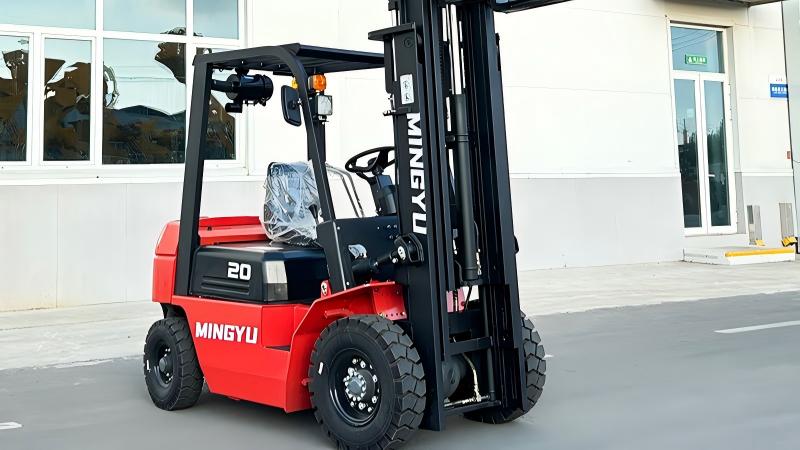
To effectively manage and predict these expenses, businesses must adopt strategic approaches. Implementing a dedicated fleet management software to track service history, schedule PMs, and log repairs for each asset is crucial for spotting cost trends and planning budgets. Investing in operator training cannot be overstated; skilled operators who avoid harsh impacts, improper lifting, and overheating the machine prevent a significant portion of damage. Evaluating maintenance options is also key: while in-house maintenance offers control, it requires tool and parts inventory and skilled staff; third-party service contracts offer predictable costs (often a fixed monthly fee) but may have limitations; and dealer-provided full-service leases typically bundle all maintenance and repairs into a single payment, maximizing predictability but at a premium. For older forklifts, conducting a cost-benefit analysis is essential—when annual repair costs approach 20% of the truck's current value, replacement often becomes the more economical choice. Ultimately, viewing maintenance not as an expense but as a core investment in operational continuity is the mindset shift that leads to true cost control. By understanding the cost drivers, implementing proactive measures, and choosing the right service model, businesses can transform forklift upkeep from a source of financial anxiety into a pillar of reliable, efficient, and safe material handling operations.
Post time:Jan.14.2026
