
How Much Does a New vs. Used Forklift Cost?
1. Introduction
Buying a forklift is a significant investment for warehouses, factories, construction sites, logistics companies, ports, and distribution centers. One of the first questions buyers usually ask is: How much does a forklift cost? The answer depends on whether you choose a new or used machine, as well as its lifting capacity, power source, lift height, brand, configuration, and intended application. While a used forklift can have a considerably lower purchase price, a new forklift may provide better reliability, warranty coverage, efficiency, and longer service life.
For many businesses, comparing only the purchase prices of new and used forklifts is not enough. A forklift is a working machine, and its real cost includes fuel or electricity, maintenance, spare parts, tires, battery replacement, repairs, depreciation, and potential downtime. A forklift that appears inexpensive at the time of purchase can become more expensive if it requires frequent repairs or has poor productivity. On the other hand, a more expensive new forklift may provide lower operating costs and more predictable maintenance over several years.
The forklift market also offers many different choices. Buyers can select diesel forklifts for demanding outdoor applications, LPG forklifts for indoor and outdoor operations, or electric and lithium-ion forklifts for warehouses and applications where low emissions and quiet operation are important. Capacity also has a major influence on price. A compact 1.5-ton forklift will generally cost much less than a heavy-duty 5-ton or 10-ton forklift.
This article explains the typical cost differences between new and used forklifts, the factors that influence their prices, hidden costs to consider, and how to calculate total cost of ownership. By comparing these factors, buyers can determine whether a new or used forklift provides better value for their particular application.
2. How Much Does a New Forklift Cost?
The price of a new forklift varies considerably depending on its capacity, power source, specifications, manufacturer, and optional equipment. A small 1.5-ton internal-combustion or electric forklift may be relatively affordable, while a heavy-duty 5-ton, 7-ton, or larger forklift can require a much larger investment.
As a general market guide, a new standard forklift can range from several thousand to tens of thousands of US dollars, while specialized and heavy-capacity models can cost significantly more. Buyers should request a detailed quotation based on the exact configuration rather than relying on a general advertised price.
Capacity is one of the most important pricing factors. A 1.5-ton forklift normally requires less material, a smaller powertrain, and a smaller counterweight than a 3-ton forklift. As capacity increases, the chassis, counterweight, axles, transmission, hydraulic system, mast, and tires generally become larger and stronger, increasing the manufacturing cost.
The power source also affects the price. Diesel forklifts remain popular for outdoor and heavy-duty applications because of their strong performance and long operating range. LPG forklifts can be suitable for applications requiring relatively low emissions compared with conventional diesel equipment. Electric forklifts usually have a higher initial purchase price than some conventional forklifts, but they can offer lower energy and maintenance costs.
Lithium-ion forklifts can have a higher upfront price than traditional lead-acid battery forklifts because of the battery technology and battery management system. However, fast charging, opportunity charging, reduced maintenance, and longer battery service life can make lithium technology attractive for intensive warehouse operations.
Optional equipment can also increase the final price. Buyers may need side shift, fork positioners, different fork lengths, full free lift masts, triplex masts, solid tires, pneumatic tires, cabins, heating or air conditioning, LED lighting, rear cameras, suspension seats, or other safety features.
Therefore, when comparing new forklift prices, it is important to compare the same specifications and configuration rather than simply comparing the headline prices.
3. How Much Does a Used Forklift Cost?
Used forklifts are generally cheaper to purchase than new machines, which makes them attractive to small businesses and companies with limited capital. Depending on the age, operating hours, condition, brand, maintenance history, and specifications, a used forklift may cost substantially less than an equivalent new model.
However, there is no single standard price for a used forklift. Two forklifts of the same model and lifting capacity can have very different values. For example, one machine may have relatively low operating hours, complete maintenance records, good tires, and a well-maintained hydraulic system. Another may have extensive operating hours and require repairs to the engine, transmission, mast, or hydraulic system.
Age is an important factor, but it should not be considered alone. A properly maintained older forklift can sometimes be a better purchase than a newer forklift that has been heavily abused.
Operating hours are another important indicator. A forklift used for eight hours every day in a busy warehouse will experience different levels of wear compared with a machine used occasionally. Buyers should check the hour meter but should also inspect the machine's actual condition because hour-meter information should be verified whenever possible.
Used forklifts are also commonly divided into as-is machines and refurbished machines. An as-is forklift may have a lower purchase price but could require additional maintenance after purchase. A refurbished forklift may have undergone repairs, repainting, tire replacement, servicing, or other work before being sold. Its price will normally be higher, but the buyer may receive a machine that is more ready for immediate operation.
4. New vs. Used Forklift: Price Comparison
The biggest advantage of buying used is the lower initial investment. If a new 3-ton forklift costs significantly more than a comparable used machine, a business may be able to purchase a used forklift while keeping more capital available for other equipment or operating expenses.
However, the initial purchase price is only one part of the economic calculation.
For example, imagine a company is considering two 3-ton forklifts:
New forklift: higher purchase price, warranty, new components, and lower initial repair risk.
Used forklift: lower purchase price, but potentially higher maintenance and repair costs.
If the used forklift requires major repairs shortly after purchase, the initial savings can decrease quickly. If the machine requires frequent downtime, the company may also lose productivity.
For occasional use, a good-quality used forklift can be an economical solution. If the forklift will operate multiple shifts every day, however, reliability and productivity become more important. In such cases, the additional investment in a new forklift may be justified.
The correct comparison is therefore not simply new price vs. used price, but rather:
Purchase price + operating cost + maintenance cost + downtime cost − resale value.
This provides a more realistic picture of the total financial impact.
5. Main Factors That Affect Forklift Prices
Several factors influence forklift prices.
Lifting Capacity
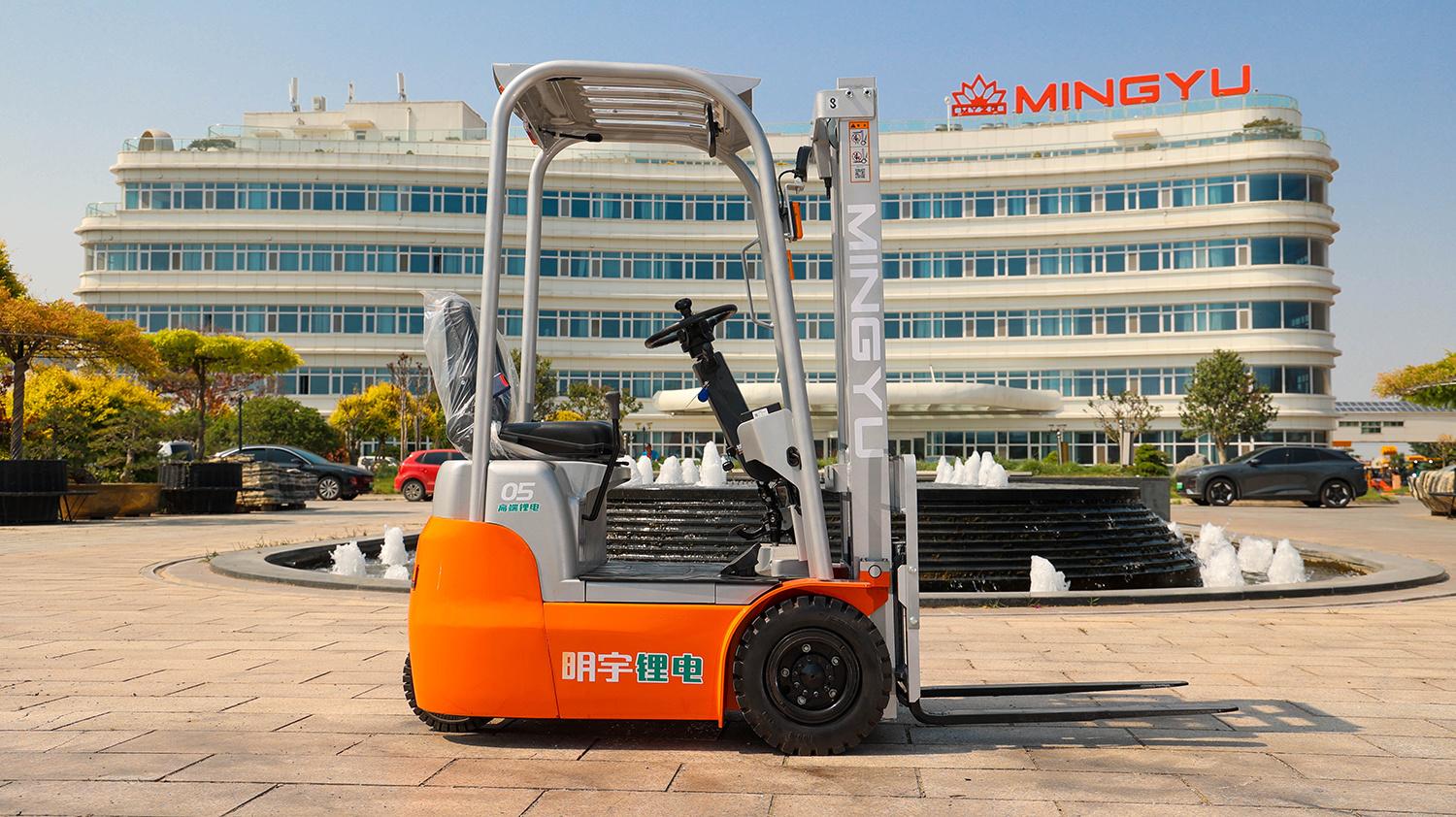
Capacity is one of the most obvious factors. A 1.5-ton forklift normally costs less than a 3-ton model, while heavy-duty 5-ton, 7-ton, 10-ton, or larger forklifts require stronger components and therefore cost more.
Lift Height and Mast Configuration
A standard two-stage mast may have a lower price than a three-stage full-free-lift mast. Higher lifting heights require stronger and more complex mast systems, which can increase the price.
Engine or Motor
Diesel, LPG, gasoline, lead-acid electric, and lithium-ion forklifts have different powertrain costs. Engine brand and emission standards can also affect the final price.
Battery
For electric forklifts, battery capacity and battery technology can have a major effect on the purchase price. Lithium-ion batteries generally require a higher initial investment than traditional lead-acid batteries.
Brand
Well-known international brands may command higher prices because of brand reputation, dealer networks, technology, and resale value. Chinese manufacturers can sometimes offer competitive prices while providing similar basic lifting capacities and configurations.
Operating Hours
For used forklifts, operating hours are particularly important. Lower operating hours can indicate less accumulated wear, although maintenance history and actual machine condition should also be checked.
Attachments
Side shifters, fork positioners, clamps, rotating attachments, paper-roll clamps, bale clamps, and other specialized attachments can significantly increase the total purchase price.
Tires and Configuration
Pneumatic tires, solid tires, cushion tires, non-marking tires, and specialized industrial tires all have different prices and applications.
6. Hidden Costs of Buying a Used Forklift
A low purchase price does not necessarily mean a low total cost. Used forklifts can have hidden costs that buyers need to consider before making a decision.
One of the most common costs is maintenance and repair. Depending on the condition of the forklift, the buyer may need to replace filters, fluids, belts, hoses, tires, brake components, hydraulic seals, or other wear parts.
The hydraulic system deserves particular attention. Leaking cylinders, worn hydraulic pumps, damaged hoses, and weak lifting performance can result in expensive repairs.
The mast and forks should also be inspected carefully. Forks experience significant loads during operation, and wear can reduce their usable life. Rollers, chains, bearings, and other mast components can also require replacement.
For electric forklifts, battery condition is particularly important. A used forklift with a degraded battery may require a costly battery replacement. Buyers should therefore evaluate battery age, capacity, charging behavior, and overall condition.
Another hidden cost is downtime. If an older forklift frequently needs repairs, it may be unavailable when the business needs it. For a warehouse or logistics operation, this can affect productivity and delivery schedules.
7. Total Cost of Ownership: New vs. Used
Total cost of ownership, or TCO, is one of the best ways to compare new and used forklifts.
A basic TCO calculation can include:
Total Cost of Ownership = Purchase Price + Energy/Fuel + Maintenance + Repairs + Tires + Battery Costs + Other Operating Costs − Resale Value
For a new forklift, the purchase price may be higher, but maintenance costs can be more predictable during the early years. A manufacturer warranty may also reduce the financial risk associated with unexpected component failures.
For a used forklift, the initial investment is lower, but repair costs can be less predictable. Depreciation may also be lower because part of the machine's initial depreciation has already occurred.
Operating costs should also be considered. A diesel forklift may consume fuel every working day, while an electric forklift uses electricity and may have different maintenance requirements. The most economical choice depends on local energy prices, operating hours, workload, and application.
Businesses should therefore calculate costs over the expected ownership period rather than comparing purchase prices alone.
8. New Electric/Lithium Forklifts vs. Used Diesel Forklifts
This is becoming an increasingly important comparison as companies look for lower emissions and operating costs.
A new lithium-ion forklift may have a higher initial purchase price than an older diesel forklift. However, it can offer advantages such as quiet operation, zero tailpipe emissions during operation, reduced routine maintenance, and convenient charging.
A used diesel forklift can be attractive for outdoor applications where long operating hours, fast refueling, and rugged performance are important. Diesel machines can also be easier to deploy in locations without suitable electric charging infrastructure.
For indoor warehouses, electric or lithium forklifts are often attractive because they produce no exhaust emissions during operation and generally operate more quietly.
For outdoor construction sites, agricultural operations, ports, and other demanding environments, diesel forklifts may remain a practical option.
The best choice depends on the working environment rather than simply which technology has the lowest purchase price.
9. How to Calculate the Real Cost of a Forklift
Suppose a company is comparing a new forklift with a used forklift.
The first step is to calculate the complete acquisition cost:
Forklift price + shipping + taxes/duties + optional equipment + initial servicing.
Next, estimate annual operating costs.
For an internal-combustion forklift, this could include fuel, engine oil, filters, tires, maintenance, and repairs.
For an electric forklift, the calculation could include electricity, battery maintenance, tires, servicing, and eventual battery replacement.
For example, if a company operates a forklift 2,000 hours per year, even a small difference in operating cost per hour can become significant over five years.
A simple five-year calculation could be:
5-Year TCO = Initial Cost + 5 × Annual Operating Cost − Estimated Resale Value
This calculation does not need to be complicated. Even a basic spreadsheet can help buyers compare different machines objectively.
10. How to Inspect a Used Forklift Before Buying
Before purchasing a used forklift, buyers should perform a comprehensive inspection.
Start with the engine or motor. Check for abnormal noises, excessive smoke, leaks, starting problems, overheating, or unstable operation.
Next, inspect the transmission and drivetrain. Test forward and reverse movement and pay attention to unusual noises or delays.
The mast and hydraulic system should be tested under load. Check whether the mast raises and lowers smoothly and whether the hydraulic system maintains the load without excessive movement.
Inspect the forks for excessive wear, deformation, cracks, or other damage. Forks are critical safety components and should not be evaluated only by appearance.
Check the tires, brakes, steering system, lights, warning devices, and operator controls.
For electric forklifts, inspect the battery, charger, cables, connectors, and battery management system where applicable.
Finally, request maintenance records and information about previous use. A clear service history can help buyers better understand the machine's condition and expected future costs.
11. New vs. Used Forklift: Which One Should You Buy?
There is no universal answer because the right choice depends on the business's application and budget.
A used forklift can be a good option when:
The initial budget is limited.
The forklift will be used occasionally.
The application is relatively simple.
A lower purchase price is the main priority.
A reliable used machine with good maintenance records is available.
A new forklift may be a better option when:
The forklift will operate intensively every day.
Reliability is critical.
The business needs warranty protection.
The machine will be kept for many years.
The buyer needs specific configurations or attachments.
New emission or safety requirements must be met.
For businesses operating several shifts per day, downtime can be much more expensive than the difference in purchase price. In these situations, investing in a new machine may provide better long-term value.
12. Tips for Getting the Best Forklift Price
The cheapest quotation is not always the best deal. Buyers should compare the complete specifications and included equipment.
First, request quotations from several suppliers and make sure the quotations use the same capacity, mast height, tire type, attachments, engine or battery configuration, and safety equipment.
Second, ask what is included in the price. Some suppliers may quote a low base price and charge separately for side shift, forks, cabins, lighting, or other equipment.
Third, consider warranty terms and spare-parts availability. A slightly higher purchase price can be worthwhile if the supplier provides better after-sales support.
For imported forklifts, buyers should also calculate FOB/CIF price, ocean freight, customs duties, inland transportation, and other import costs before comparing suppliers.
Finally, consider the machine's expected service life and resale value. A forklift with a stronger resale market may have a higher purchase price but lower overall depreciation.
13. Conclusion
The cost of a forklift depends on much more than whether it is new or used. A new forklift normally requires a higher initial investment but can provide the advantages of new components, warranty coverage, predictable maintenance, modern technology, and a longer expected service life. A used forklift can significantly reduce the upfront investment and may be an excellent choice when the machine is well maintained and suitable for the intended application.
The most important point is to look beyond the purchase price. Fuel or electricity consumption, maintenance, spare parts, tires, batteries, repairs, downtime, depreciation, and resale value can all have a major impact on the final cost.
For occasional and less demanding applications, a carefully inspected used forklift can offer excellent value. For intensive operations where reliability and productivity are critical, a new forklift may provide better long-term economics.
Ultimately, the best forklift is not necessarily the cheapest forklift to buy. It is the forklift that provides the lowest total cost while reliably completing the required work.
Post time:Sep.04.2026
